Tata Motors Announces Price Hike for Commercial and Passenger Vehicles from July 1
 Add CMV360 on Google
Tata Motors will raise commercial vehicle prices by up to 2.5% and passenger vehicle prices by up to 1.5% from July 1, 2026, citing rising input costs.

By Robin Kumar Attri

Key Highlights
Tata Motors to increase commercial vehicle prices by up to 2.5% from July 1, 2026.
Price hike is due to rising commodity and input costs.
Increase will vary depending on the model and variant.
Passenger vehicle prices will also rise by up to 1.5% from July 1.
Customers can buy vehicles at current prices until June 30, 2026.
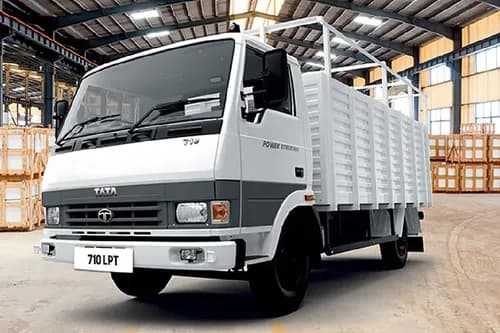
Tata Motors has announced a price increase of up to 2.5% across its commercial vehicle range, effective from July 1, 2026. The company said the revision is necessary to partially offset the impact of rising commodity prices and increasing input costs. The exact increase will vary depending on the model and variant.
The latest price revision comes at a time when the automotive industry is facing continued pressure from higher raw material costs, logistics expenses, and other operational challenges. Tata Motors stated that the increase will help the company manage a portion of these rising costs while continuing to serve customers across various commercial transportation segments.
The commercial vehicle price hike will apply to Tata Motors entire portfolio, including trucks, buses, and other commercial mobility solutions. Buyers planning to purchase a Tata commercial vehicle at current prices will need to complete their purchase before June 30, 2026.
Passenger Vehicles to Become Costlier Too
In addition to the commercial vehicle business, Tata Motors Passenger Vehicles Ltd. (TMPV) has also announced a price increase across its passenger vehicle lineup from July 1, 2026. Prices of passenger vehicles will rise by up to 1.5%, with the increase varying according to the model and variant.
The revised pricing will cover the company's entire passenger vehicle portfolio, including both internal combustion engine (ICE) models and electric vehicles (EVs). According to TMPV, the decision has been taken due to increasing input costs and ongoing inflationary pressures affecting the industry.
The company said it has absorbed a significant portion of these cost increases over time but is now required to pass on a part of the burden to customers through a moderate price adjustment.
What This Means for Buyers
Customers planning to buy a Tata Motors commercial vehicle, passenger vehicle, or electric vehicle still have an opportunity to purchase at existing prices until June 30, 2026. Once the revised pricing comes into effect on July 1, buyers may have to pay more depending on the selected model and variant.
With both commercial and passenger vehicle prices set to rise, prospective customers may consider advancing their purchase decisions to avoid the upcoming increase.
Also Read: UltraTech Rolls Out 45 Electric Trucks, Set to Replace 2.9 Million Litres of Diesel Annually
CMV360 Says
Tata Motors decision to increase prices across its commercial and passenger vehicle portfolios reflects the growing cost pressures faced by the automotive industry. With higher commodity prices, inflation, and rising operational expenses impacting manufacturers, the company is passing on a part of the burden to customers. Buyers interested in purchasing Tata vehicles can still take advantage of existing prices until June 30, after which the revised prices will come into effect.

Robin Kumar Attri is a content and video professional with 2.7 years of experience in the commercial vehicle d .....