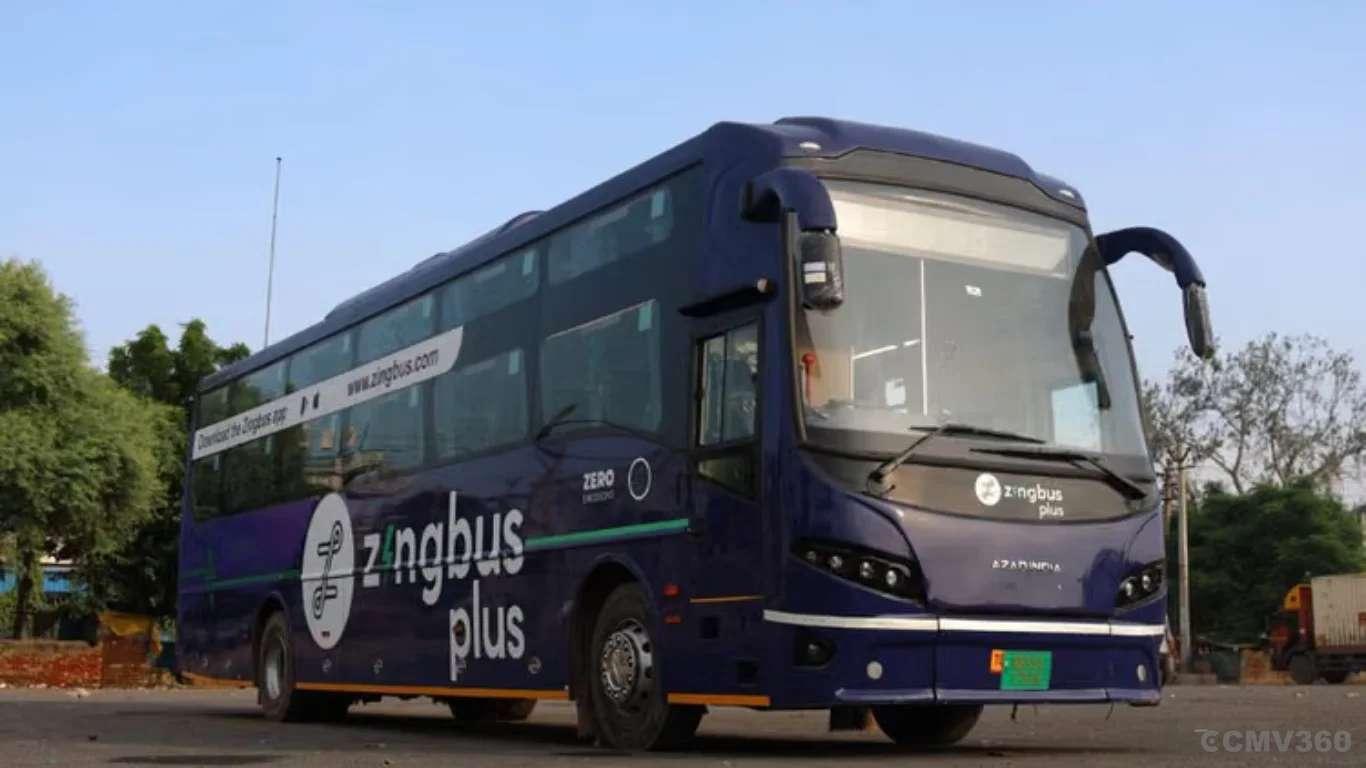
Olectra MD Urges India’s Bus Industry to Lead Global Electric Mobility Shift
 Add CMV360 on Google
Olectra MD Mahesh Babu urges India’s bus industry to lead electric mobility with innovation, lower costs, and fast charging, highlighting the need for global leadership in the sector.

By Robin Kumar Attri

Key Highlights:
India is the world’s second-largest bus market.
Industry urged to lead, not follow, global trends.
Electric buses are now cheaper in total cost than diesel buses.
The PPP model helped scale sector growth.
Flash charging can power buses in just 8 minutes.
At the Busworld India Conclave 2026 in Delhi, Mahesh Babu, Managing Director of Olectra Greentech, delivered a strong message to the Indian bus manufacturing sector: it is time to step up and lead the global electric mobility transition.
He highlighted that India is currently the second-largest bus manufacturing market in the world, but questioned whether the industry is truly acting at that level. Reflecting on his experience, Mahesh Babu said that when he entered the industry four years ago, it was not behaving like a global leader despite its scale.
From Follower to Global Leader in Electric Mobility
Mahesh Babu emphasized that India must move from being a follower to becoming a leader in electric mobility innovation. He urged the industry to stop depending on global trends and instead take charge of shaping the future.
He acknowledged that the Public-Private Partnership (PPP) model has played an important role in scaling the bus sector in India. However, he stressed that the next phase of growth depends on the industry clearly understanding its responsibility to drive the electric revolution from the front.
Economics Now Favor Electric Buses
A key point in Mahesh Babu’s address was the shift in economics. According to him, electric buses are no longer just an environmental choice but also a financially sound one.
He explained that the total cost of ownership (TCO) for electric buses is now lower than that of diesel buses, making them a practical and cost-effective option for operators. This economic advantage strengthens the case for faster adoption across the country.
Focus on Innovation and Customer Experience
Mahesh Babu highlighted the need for the industry to focus on solving major ecosystem challenges, including financing models and charging infrastructure. He stressed that improving the overall customer experience should remain at the center of all developments.
One of the key innovations he pointed to was flash charging technology, already emerging in neighboring countries. This technology can charge a bus in as little as eight minutes, significantly reducing downtime and improving operational efficiency.
Aligning India with Global Standards
Mahesh Babu concluded by underlining that innovations like flash charging are essential to keep India aligned with global advancements. He encouraged the industry to adopt such technologies quickly and position itself as a global benchmark in electric bus manufacturing.
With a strong market size, improving economics, and the right push for innovation, India now has the opportunity to not just participate, but lead, the global electric mobility movement.
Also Read: India’s Electric Bus Push Faces Ground Reality Challenges at Depots
CMV360 Says
Mahesh Babu’s call highlights a crucial moment for India’s bus industry. With a strong market size and improving economics, the shift to electric buses is no longer optional but necessary. By focusing on innovation, solving infrastructure challenges, and adopting technologies like flash charging, India can move ahead as a global leader. The industry now has both the opportunity and responsibility to lead the electric mobility transition.

Robin Kumar Attri is a content and video professional with 2.7 years of experience in the commercial vehicle d .....