Tractors
Trucks
- Find by Budget
- Find by Type

English
 New Delhi
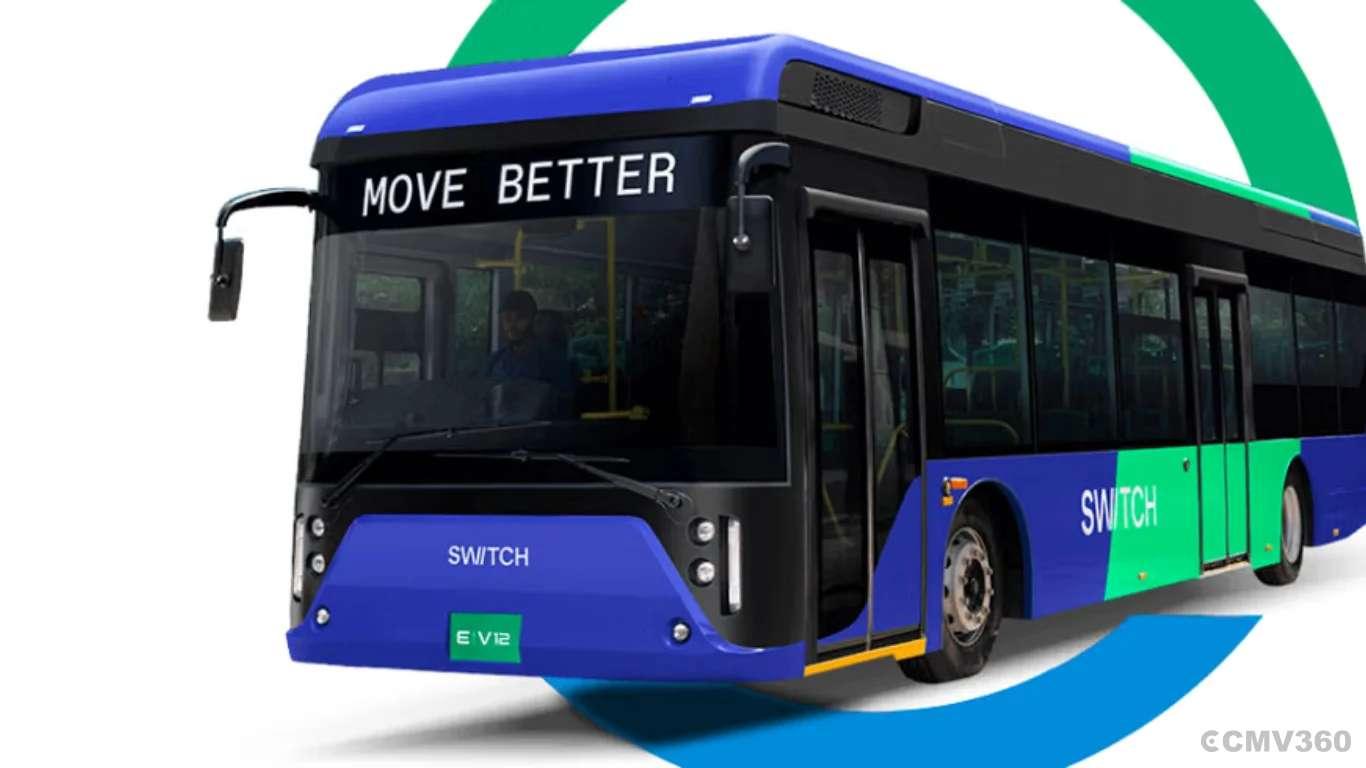
India’s electric bus transition faces delays due to a lack of depot space, high costs, and financing issues, as highlighted by Purple Mobility at Busworld India 2026.

By Robin Kumar Attri

Only 1.5 lakh out of 20 lakh buses have infrastructure support.
Lack of depot space is the biggest barrier to electrification.
The charging setup can cost more due to expensive power line expansion.
Banks hesitant to finance operators without collateral.
The technology choice between diesel, electric, and hydrogen remains unclear.
India’s transition to electric buses is facing serious roadblocks, not on highways, but right at the depot level. This was highlighted by Prasanna Patwardhan, Chairman and MD of Purple Mobility, during the Busworld India 2026 Conclave held in New Delhi.
India has around 20 lakh buses, but only about 1.5 lakh belong to operators who have any kind of existing infrastructure. The remaining operators currently lack the basic facilities required to support electric buses, especially charging infrastructure.
This gap is emerging as one of the biggest hurdles in the country’s push toward cleaner public transport.
The Indian bus sector is currently dealing with four major challenges at the same time:
Stricter emission norms
Transition to cleaner fuels
Rising passenger expectations
Global events impacting domestic transport markets
These combined pressures are forcing operators and manufacturers to make quick decisions, often without having the right support systems in place.
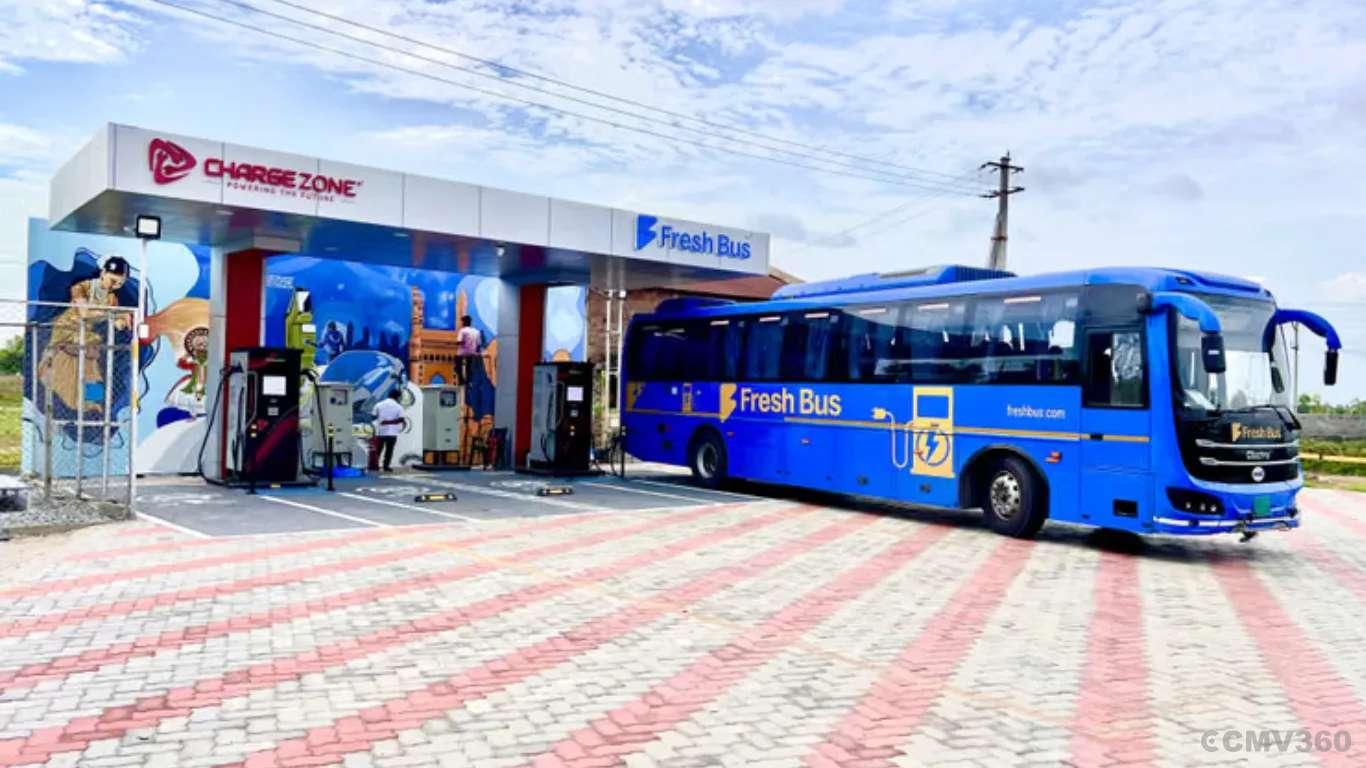
One of the biggest issues highlighted is land availability. Unlike diesel buses, which can refuel within 5 to 10 minutes at petrol pumps across the country, electric buses need 1 to 4 hours for charging.
This makes it necessary for operators to have dedicated depot space. Without parking and depot facilities, setting up charging infrastructure becomes nearly impossible.
The cost of setting up charging infrastructure is another major concern. In one case shared by Patwardhan, extending a power line to a site alone cost nearly ₹1 crore, which was higher than the cost of installing charging equipment itself.
Additionally, power distribution companies require operators to pay for both the grid extension and ongoing electricity usage, making the overall investment even more expensive.
Financing remains a key barrier, especially for private fleet operators. Banks are often unwilling to provide loans without strong collateral. Since many operators do not own depots or fixed assets, they struggle to secure funding for electric bus projects.
This creates a cycle where lack of infrastructure prevents financing, and lack of financing prevents infrastructure development.
To boost adoption, Patwardhan emphasized that manufacturers and dealers should provide demonstration units in accessible locations. Since the bus industry is traditionally conservative, operators prefer hands-on experience before making purchase decisions.
Manufacturers are also facing uncertainty as they are being pushed to invest in multiple technologies, including Euro 6 diesel, electric, and hydrogen.
There is no clear winner yet, which increases the risk for manufacturers. However, operators face relatively lower risk, as buses will continue to run regardless of the fuel type adopted in the future.
The broader concern raised is that India is being asked to modernize its bus fleet rapidly, but the supporting infrastructure and systems are not fully ready.
Without solving key issues like land availability, high setup costs, and financing access, the country’s electric bus push may continue to face delays at the ground level.
Also Read: Wheat Procurement Picks Up in Madhya Pradesh, ₹1,333 Crore Paid to Farmers
India’s electric bus transition is at a critical stage, but key challenges continue to slow progress. Limited depot space, high infrastructure costs, and financing issues are major barriers for operators. At the same time, uncertainty around future technologies adds pressure on manufacturers. Without strong policy support and better ground-level readiness, the shift to electric buses may remain slower than expected despite growing demand for cleaner public transport solutions.

About the author
Robin Kumar Attri is a content and video professional with 2.7 years of experience in the commercial vehicle domain. At CMV360, he creates news articles and videos covering trucks, tractors, buses, three-wheelers, and infrastructure machines.


 Add CMV360 on Google