Tractors
Trucks
- Find by Budget
- Find by Type

English
 New Delhi
India's road logistics sector is set to face margin pressure in FY27 due to rising fuel prices and weak pricing power, despite expected revenue growth. Organised operators are better equipped to manage costs, while structural changes may accelerate.

By Rajat Sharma

Fuel remains the largest cost component for road logistics operators, accounting for about 50–60% of operational expenses for fleets that primarily use diesel. If fuel prices increase by Rs 10 per litre, operating margins are projected to shrink by 150–200 basis points. This would reverse the margin improvements seen during the pandemic, when strong demand supported better profitability.
In May 2026, freight rates rose by around 7%, while diesel prices increased by about 8%. This shows that operators could only pass on a limited portion of the fuel cost rise to customers. The sector’s ability to increase freight rates remains restricted due to surplus capacity and intense competition.
Despite margin pressures, the sector is expected to see revenue growth of 8-10% in FY27. Higher freight rates are likely to drive this growth. However, volume growth is expected to remain muted due to sluggish consumption, ongoing supply chain disruptions, and inflationary pressures.
Macroeconomic factors such as inflation, supply chain interruptions, and a possible El Nino effect on rural demand could further impact freight volumes. Sectors like fast-moving consumer goods (FMCG) and automobiles may be particularly affected by these challenges.
Medium-term demand for road logistics is expected to be supported by government infrastructure initiatives. Key programs include the National Logistics Policy, PM Gati Shakti, and Bharatmala Pariyojana. The continued expansion of e-commerce is also likely to contribute to demand stability.
Organised logistics companies are better positioned to manage cost pressures. They often use fuel pass-through clauses and long-term contracts, which help mitigate the impact of rising fuel costs. In contrast, smaller fleet operators may face greater financial stress in the fragmented market.
Industry feedback indicates that fuel cost increases are generally passed on to customers with a delay. The extent of pass-through varies depending on contract terms and market demand. Despite margin pressures, credit metrics for most rated companies are expected to remain stable. Most companies are likely to stay within the investment-grade category, and debt levels should remain controlled as fleet expansion slows.
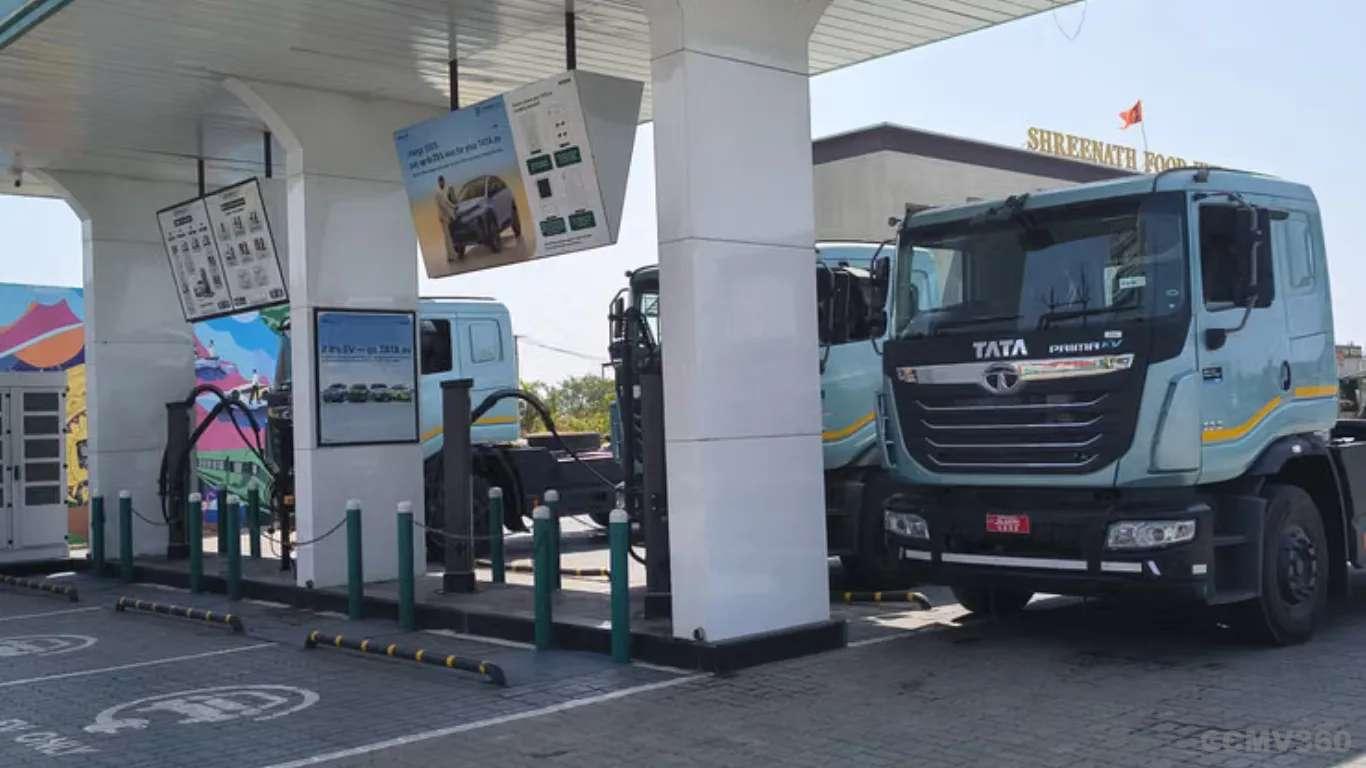
ICRA notes that higher fuel prices may accelerate structural changes in the industry. These changes include increased adoption of electric commercial vehicles, improved route planning, and a gradual shift from unorganised to organised operators.

About the author
Hey! I'm Rajat. I cover the latest news and articles on trucks, buses, three-wheelers, and more at CMV360. I'm here to keep you informed and updated. Let's explore the world of commercial vehicles together!




 Add CMV360 on Google