Truck Cost Per KM in India: Petrol vs Diesel vs CNG vs Electric Running Cost
 Add CMV360 on Google
Compare petrol, diesel, CNG and electric truck running costs per km in India, including fuel prices, mileage, maintenance, tyres and overall operating expenses.

By Robin Kumar Attri

For truck owners and fleet operators, the purchase price is only one part of the ownership equation. The bigger question is often: how much does the truck cost to run for every kilometre? Fuel efficiency, energy prices, tyre wear and maintenance can significantly affect operating expenses, particularly for vehicles covering hundreds of kilometres every day.
India’s commercial vehicle market now offers multiple fuel choices. Diesel continues to dominate medium and heavy-duty freight because of its strong pulling power, long range and widespread refuelling network. CNG has become an important option for urban and last-mile transportation, while electric trucks are gaining ground in predictable city-delivery applications because of their low energy and maintenance costs. Petrol, meanwhile, is mainly found in smaller cargo three-wheelers and entry-level applications.
Popular models such as the Tata Ace HT Plus, Ashok Leyland Dost Strong, Tata Ace Gold CNG, Tata Ace EV and Piaggio Ape Xtra LDX Plus represent different approaches to the same basic requirement: moving goods at the lowest practical operating cost.
So, how much does each fuel actually cost per kilometre, and which type of truck offers the most economical running cost?
Fuel Prices in India 2026
Fuel prices vary across Indian cities because of taxes, local pricing structures and fuel distributors. Petrol and diesel are revised by oil marketing companies, while CNG prices depend on the local gas distributor.
For Delhi, the commonly referenced 2026 rates are:
Fuel | Price |
Petrol | ₹102.12/litre |
Diesel | ₹95.20/litre |
CNG | ₹86.98/kg |
For comparison, petrol and diesel prices are higher in several major cities. Petrol is around ₹111.21/litre in Mumbai, ₹113.51 in Kolkata, ₹107.76 in Chennai, ₹110.82 in Bengaluru and ₹116.15 in Hyderabad. Diesel prices range from around ₹97.83/litre in Mumbai to ₹104.23/litre in Hyderabad.
Because fuel prices can change, truck buyers and fleet operators should always check the latest local rate before calculating long-term running expenses.
How to Calculate Truck Cost Per KM
The actual running cost of a truck is more than just its fuel bill. A simple operating-cost calculation includes three major components:
Cost per km = Fuel or energy cost + Tyre cost + Maintenance cost
For petrol and diesel trucks:
Fuel cost per km = Fuel price ÷ Mileage
For CNG trucks:
Fuel cost per km = CNG price ÷ Mileage in km/kg
For electric trucks:
Energy cost per km = Electricity price × Energy consumption per km
Tyre replacement and maintenance should also be considered because both become significant expenses as annual kilometres increase.
Petrol Truck Cost Per KM
Petrol Trucks have a smaller role in India’s goods transportation market compared with diesel, CNG and electric powertrains. However, it remains relevant in the small commercial vehicle and mini-truck segment, particularly for short-distance urban deliveries where compact dimensions, easy manoeuvrability and simple maintenance are important.
The Tata Ace Gold Petrol is one of the established petrol mini-truck options in this segment. It gets a 694 cc petrol engine producing 30 HP of power and 55 Nm of torque, along with a direct-drive gearbox.
Using an assumed mileage of around 20 km/l for the running-cost calculation and a petrol price of ₹102.12 per litre, the estimated operating cost works out as follows:
Cost Component | Approx. Cost/km |
Petrol | ₹5.11 |
Tyres | ₹0.35 |
Maintenance | ₹0.45 |
Total Running Cost | ₹5.91/km |
The petrol expense alone comes to around ₹5.11 per kilometre at 20 km/l. After adding estimated tyre and maintenance costs, the total running cost comes to approximately ₹5.91/km.
The Tata Ace Gold Petrol is therefore better suited to short-haul urban cargo, local deliveries and relatively light-duty applications. For operators carrying heavier loads over longer distances, diesel, CNG or electric alternatives may offer a different operating-cost equation depending on the route and availability of fuel or charging infrastructure.
Diesel Truck Cost Per KM
Diesel Trucks remain the backbone of India's commercial vehicle industry. From mini trucks to heavy-duty haulage vehicles, diesel powers a wide range of applications.
The biggest advantage of diesel is its combination of torque, range and refuelling convenience. As payload increases, these characteristics become increasingly important.
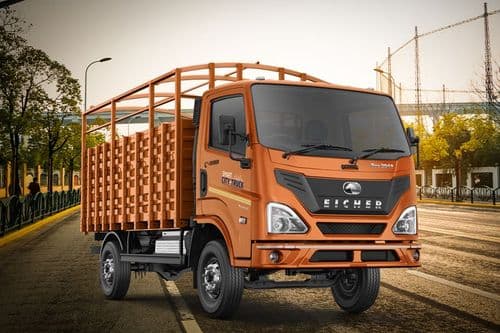
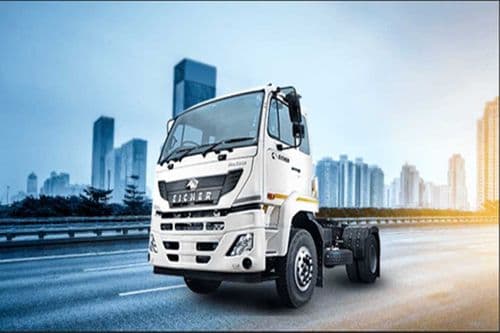
Popular diesel vehicles include the Tata Ace HT Plus, Ashok Leyland Dost Strong, Eicher Pro 3015, Tata LPT 1916, BharatBenz 2823R and Tata Signa 2823.
Diesel Truck Mileage by Segment
Truck segment | Example models | Typical mileage |
Mini truck | Tata Ace HT Plus / Ashok Leyland Dost Strong | ~18-22 km/l |
ICV | Eicher Pro 3015 / Tata LPT 1916 | ~6-8 km/l |
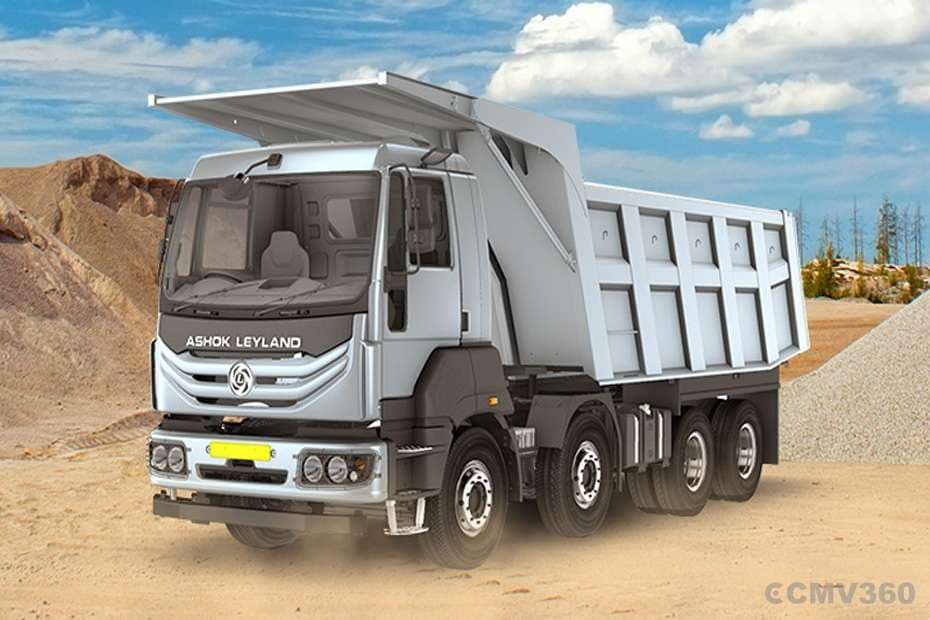
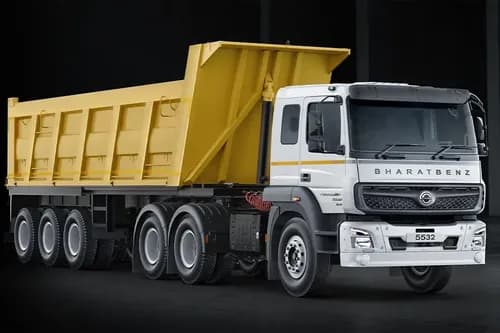
HCV | BharatBenz 2823R / Tata Signa 2823 | ~4.5-5 km/l |
A mini diesel truck delivering around 20 km/l would cost approximately:
Fuel: ₹4.76/km
Tyres: ₹0.35/km
Maintenance + AdBlue: ₹0.45/km
Total: ₹5.56/km
For a mid-size ICV delivering around 7 km/l:
Fuel: ₹13.60/km
Tyres: ₹1.20/km
Maintenance + AdBlue: ₹1.00/km
Total: ₹15.80/km
A heavy truck returning around 4.5 km/l would have:
Fuel: ₹21.16/km
Tyres: ₹2.48/km
Maintenance + AdBlue: ₹1.40/km
Total: ₹25.04/km
AdBlue is an additional consideration for BS-VI diesel vehicles and is typically consumed at around 4-6% of diesel volume. Its allowance has been included in the maintenance figures used here.
CNG Truck Cost Per KM
CNG has become a popular alternative for urban delivery, last-mile logistics and short-distance commercial transportation.
CNG trucks generally offer lower fuel costs than comparable diesel mini trucks, while their operating environment is well suited to cities where CNG stations are readily available.
The Tata Ace Gold CNG is a strong example, with a claimed mileage of around 21-23 km/kg. Using 22 km/kg:
Cost | Approx. cost/km |
CNG | ₹3.95 |
Tyres | ₹0.35 |
Maintenance and cylinder testing | ₹0.40 |
Total | ₹4.70/km |
That puts the estimated running cost below the comparable mini diesel truck at around ₹5.56/km.
However, CNG availability is an important consideration. A vehicle may offer an attractive running cost on paper, but operators covering routes without convenient CNG access may find diesel more practical.
Electric Truck Cost Per KM
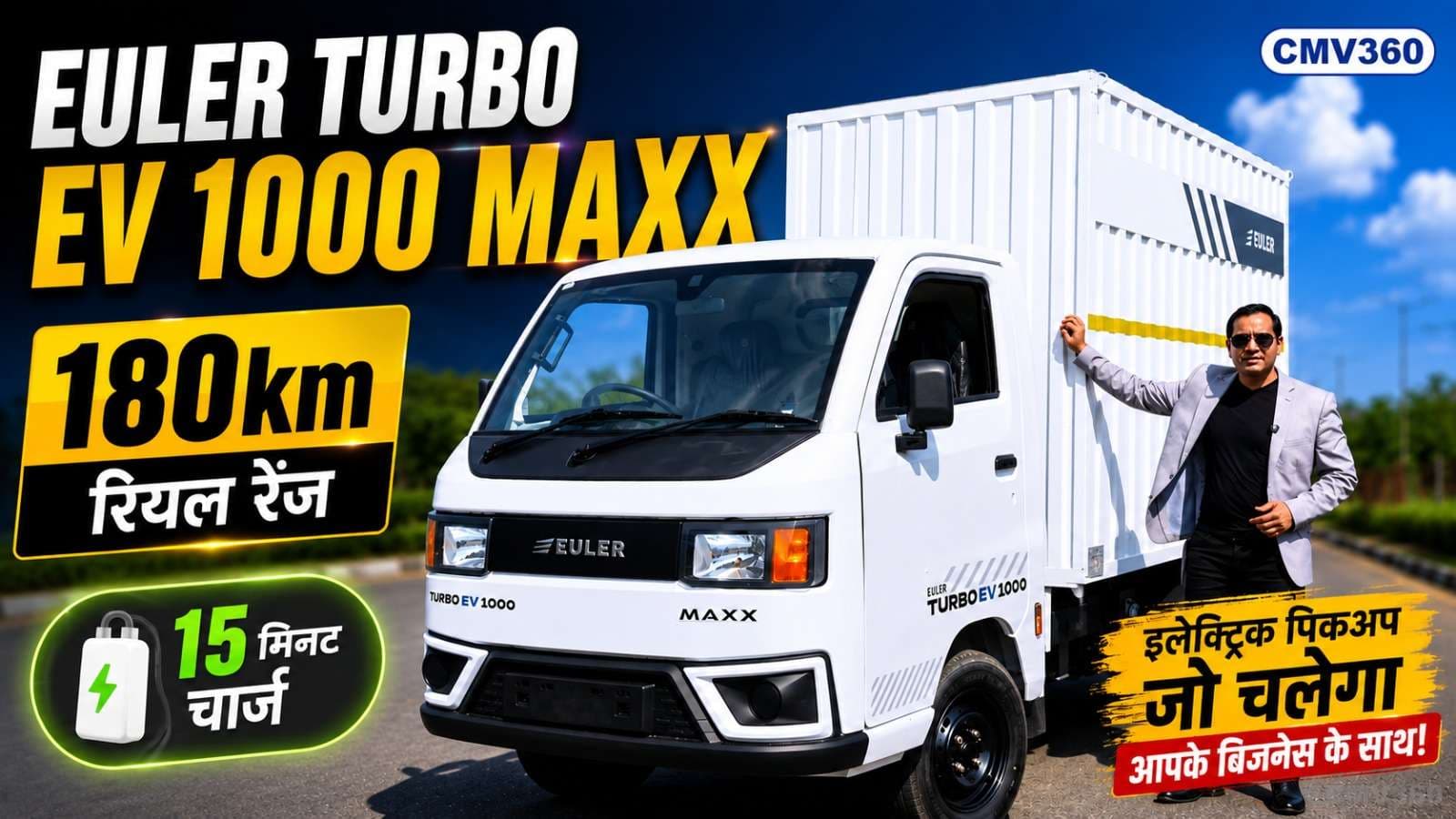
Electric commercial vehicles are changing the way running costs are calculated. Instead of litres or kilograms of fuel, an EV's efficiency is measured in kWh per kilometre.
Electric trucks are currently particularly suitable for short and predictable city routes, where the vehicle can return to a depot or designated charging location regularly.
The Tata Ace EV is a prominent example. Its 21.3 kWh battery has a certified range of 154 km. Real-world range can be lower depending on payload, traffic, driving style and operating conditions.
Using a practical efficiency estimate of around 0.1775 kWh/km and electricity at ₹9/kWh:
Energy: ₹1.60/km
Tyres: ₹0.35/km
Maintenance: ₹0.20/km
Total: ₹2.15/km
Electric trucks also benefit from a simpler powertrain, with no conventional engine oil or clutch-related maintenance. However, charging infrastructure and electricity tariffs play an important role in determining the actual operating cost.
Petrol vs Diesel vs CNG vs Electric: Truck Cost Per KM
For a fair comparison, it makes sense to compare the four technologies in the light commercial vehicle segment, where all four can serve similar cargo applications.
Fuel | Model | Fuel/Energy/km | Tyres/km | Maintenance/km | Total/km |
Electric | Tata Ace EV | ₹1.60 | ₹0.35 | ₹0.20 | ₹2.15 |
Petrol | Tata Ace Gold Petrol | ₹5.11 | ₹0.35 | ₹0.45 | ₹5.91 |
CNG | Tata Ace Gold CNG | ₹3.95 | ₹0.35 | ₹0.40 | ₹4.70 |
Diesel | Tata Ace HT Plus | ₹4.76 | ₹0.35 | ₹0.45 | ₹5.56 |
Based on these estimates, electric offers the lowest running cost in the light commercial vehicle category, followed by CNG, petrol and diesel.
However, that does not mean the same order applies to every truck segment.
Which Fuel Makes Sense for Which Truck?
The right fuel depends heavily on the truck's application.
Electric: Best suited to predictable city routes with convenient charging.
Petrol: More relevant to very small cargo vehicles and short-distance applications.
CNG: Suitable for urban and last-mile delivery where CNG infrastructure is available.
Diesel: Remains highly suitable for longer routes, higher payloads and heavy-duty transportation.
For heavy freight, diesel continues to offer the combination of torque, range and refuelling convenience that larger trucks require.
What Should Truck Buyers Consider?
Before choosing a truck based only on its fuel cost, buyers should look at the complete operating requirement.
Payload: A truck carrying more goods can justify a higher running cost if its productivity is significantly higher.
Daily running: A vehicle covering 200-300 km every day will benefit much more from a small reduction in cost per kilometre than a vehicle used occasionally.
Route: City delivery, highway transportation and construction applications have very different operating requirements.
Fuel or charging availability: A low-cost fuel is useful only when it is easily accessible along the operating route.
Maintenance: Electric vehicles have fewer conventional powertrain components, while diesel trucks require additional emissions-related systems and servicing.
Tyres: Heavy loads, long-distance operation and poor road conditions can increase tyre expenses significantly.
CMV360 Says
Truck running cost in India depends on much more than the price of fuel. Electric trucks can offer the lowest cost per kilometre in light-duty city applications, while CNG remains an attractive option for urban delivery and petrol continues to serve smaller cargo vehicles. Diesel, meanwhile, remains an important choice for India's broader freight market because it combines strong torque, long range and extensive refuelling infrastructure.
For buyers, the most useful approach is to calculate fuel or energy cost, tyre cost, maintenance, payload and daily running together. The cheapest kilometre is not always the most economical truck overall, the right vehicle is the one that delivers the required payload and productivity at a sustainable total operating cost.

Robin Kumar Attri is a content and video professional with 2.7 years of experience in the commercial vehicle d .....