Tractors
Trucks
- Find by Budget
- Find by Type

English
 New Delhi
Discover how to prevent and manage root rot in pea and pulse crops. This comprehensive guide offers strategies to protect your plants, maximize yields, and ensure crop health.

By Ayushi Gupta
Protect your pea and pulse crops from root rot with this comprehensive guide. Learn prevention and management strategies to maximize yields and crop health.
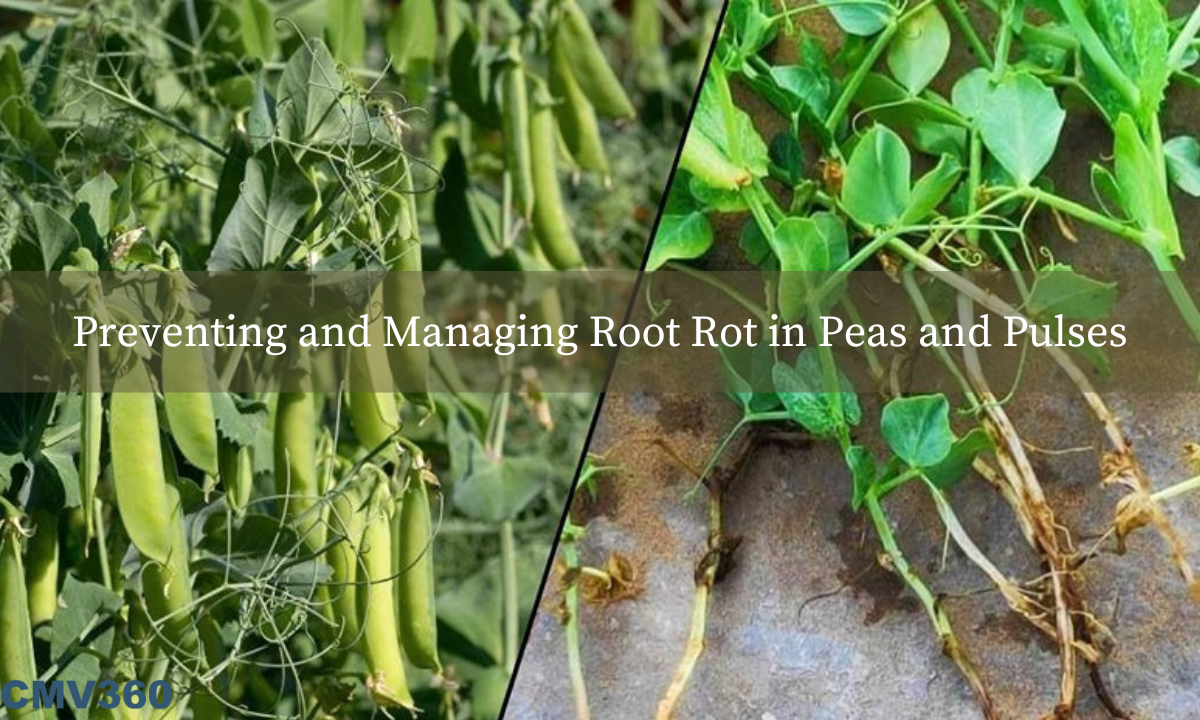
Root rot poses a significant threat to the health and productivity of pea and pulse crops, often leading to stunted growth and decreased yields. However, with proper prevention and management strategies, farmers can effectively protect their crops from this debilitating disease. Implementing cultural practices such as crop rotation, where peas and pulses are not planted in the same area year after year, can help disrupt the life cycle of pathogens responsible for root rot.
Additionally, maintaining optimal soil drainage and avoiding overwatering can create less favourable conditions for the growth and spread of root rot fungi. Choosing resistant varieties and using seed treatments can also bolster plant defences against infection. Regular monitoring for early signs of disease and prompt action, such as removing infected plants, further strengthens the defence against root rot, ensuring healthier and more productive pea and pulse crops.
Understanding Root Rot:
As the disease progresses, affected plants may exhibit stunted growth and reduced yield potential. In severe cases, root rot can lead to plant death, resulting in significant economic losses for farmers. Preventative measures have a crucial role in mitigating the impact of root rot, including maintaining proper irrigation practices to avoid waterlogging, improving soil structure to enhance drainage, and ensuring adequate air circulation around plants to reduce humidity levels.
Furthermore, employing crop rotation and practising good sanitation in the field can help break the cycle of infection and minimize the spread of root rot pathogens. Early detection and intervention are essential for effectively managing root rot and safeguarding crop health and productivity.
Prevention Strategies:
Crop Rotation: Rotate pea and pulse crops with non-legume crops to disrupt the disease cycle & reduce the pile of pathogens in the soil. This practice helps prevent the recurrence of root rot in subsequent plantings. Consider incorporating cover crops in rotation schemes to improve soil health further and suppress pathogen populations.
Soil Health Management: Maintain optimal soil health by ensuring proper drainage and incorporating organic matter to improve soil structure. Adequate soil aeration and moisture management are essential for preventing the development of root rot. Implementing raised beds or installing drainage systems can also help improve soil drainage in problem areas.
Resistant Varieties: Choose pea and pulse cultivars that exhibit resistance to specific root rot pathogens prevalent in your region. Consult with local agricultural experts or seed suppliers to identify suitable resistant varieties for your farm. Keep abreast of advancements in breeding programs to access newly developed resistant cultivars.
Seed Treatment: Treat seeds with fungicides before planting to protect them from soil-borne pathogens. Seed treatment serves as a preventive measure to establish a protective barrier against fungal infections during germination and early growth stages. Ensure proper application of fungicides according to manufacturer recommendations to maximize effectiveness.
Proper Irrigation: Implement controlled irrigation practices to avoid waterlogging and minimize the risk of root rot. Opt for drip or furrow irrigation systems to deliver water straight to the root zone while reducing surface moisture. Monitor soil moisture levels regularly and adjust irrigation schedules accordingly to prevent water stress without promoting excess moisture.
Biological Control: Integrate biological control agents, such as beneficial microbes and fungi, into your soil management practices. These natural antagonists help suppress the growth of pathogenic fungi responsible for root rot. Explore options for introducing beneficial organisms through inoculants or compost applications to enhance soil biodiversity.
Good Hygiene Practices: Practice proper field sanitation by promptly removing and disposing of infected plant debris. Regularly clean and disinfect gardening tools and equipment to avoid the disease spread between plants. Implement strict sanitation protocols during crop harvesting and handling to minimize the risk of contaminating healthy plants with fungal spores.
Nutrient Management: Maintain balanced soil fertility levels to promote healthy plant growth and enhance resistance to root rot. Conduct regular soil tests to assess nutrient levels and adjust fertilizer applications accordingly. Incorporate organic amendments or micronutrient supplements as needed to address specific deficiencies and optimize plant nutrition for disease resistance.
Management Strategies:
If root rot is detected in your pea or pulse crops, take immediate action to mitigate its spread and minimize crop losses:
Conclusion:
By implementing preventive measures and targeted management strategies, farmers can effectively protect their pea and pulse crops from the damaging effects of root rot. Regular monitoring, proper sanitation, and proactive disease management practices are essential for maintaining crop health and maximizing yields in pulse production. Additionally, fostering collaboration and knowledge-sharing among farmers, agricultural extension services, and research institutions can facilitate the adoption of best practices & innovative solutions for root rot prevention and management in pea and pulse crops.

About the author
With over 5 years of experience, I craft engaging content on commercial vehicles, blending expertise and creativity to inform and inspire readers about industry trends and technological advancements.


 Add CMV360 on Google