Tractors
Trucks
- Find by Budget
- Find by Type

English
 New Delhi
Go through the insights into successful tomato farming, covering planting, care, common pests, diseases, and optimal practices for a thriving harvest. Learn key strategies for nurturing healthy tomato plants, combating pests, and preventing diseases, ensu

By Ayushi Gupta
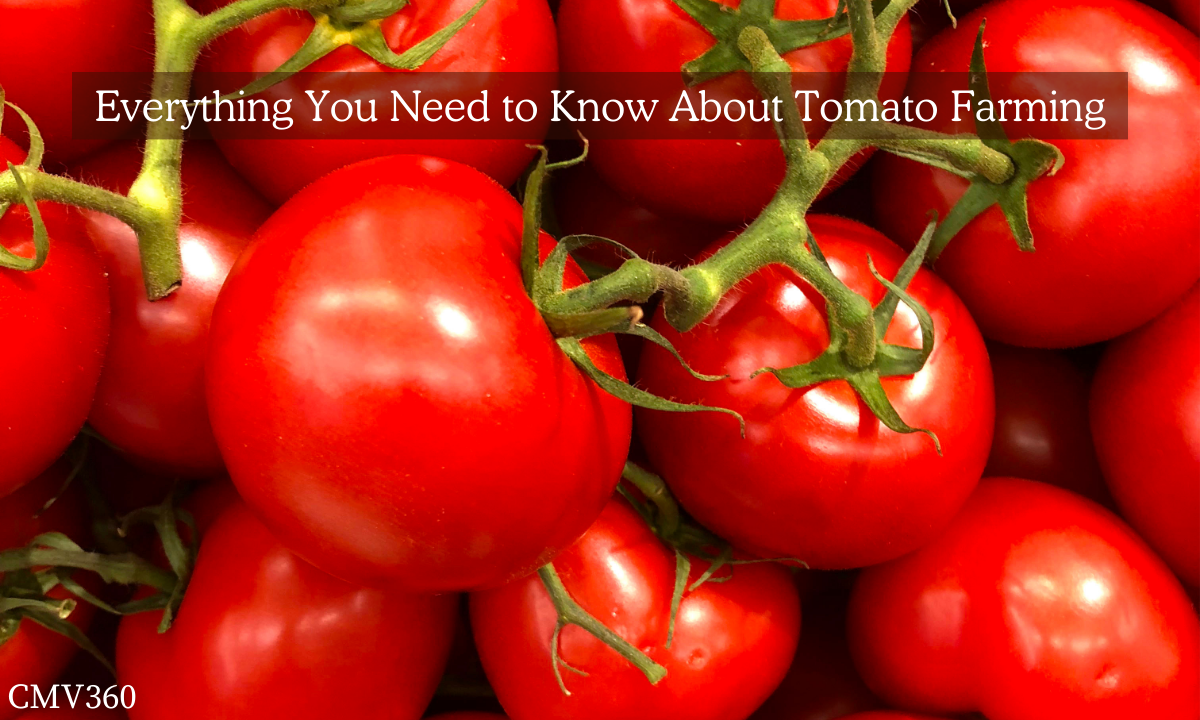
If you want to grow tomatoes successfully, you need to follow some basic steps and techniques. In this article, we will provide you with a step-by-step guide for tomato farming, covering everything from soil preparation and seed selection to harvesting and storage.
Tomatoes can grow in a wide range of soils, but they prefer well-drained, fertile, and slightly acidic soil with a pH of 6.0 to 6.8. Tomatoes also need plenty of sunlight and warmth, so choose a site that receives at least six hours of direct sun per day, and avoid frost-prone areas.
https://www.youtube.com/watch?v=Jy2Zyvb3XEk
There are hundreds of tomato varieties available, with different shapes, sizes, colors, and flavours. Some of the most common types of tomatoes are:
When choosing tomato seeds, look for ones that are certified organic, disease-resistant, and suitable for your climate and growing season.
Tomatoes are usually started indoors from seeds about six to eight weeks before the last frost date in your area. To germinate tomato seeds, you will need:
To start tomato seedlings for winter farming, fill trays with moist potting mix, sow seeds 1/4 inch deep and 1 inch apart, covering them lightly with more mix. Maintain soil moisture without overwatering, covering trays with plastic wrap for a humid environment until seeds sprout in about 5-10 days. Once sprouted, move seedlings to a warm, well-lit spot (65-70°F) for 14-16 hours a day. Transplant seedlings with two true leaves to larger pots, fertilize bi-weekly, and trim lower leaves for stronger stems. Gradually acclimate seedlings outdoors before transplanting. When ready for transplanting, select a cool day, dig appropriate holes, bury seedlings up to their first leaves, water well, and mulch for moisture retention and weed suppression.
For thriving tomato plants, water deeply at the base, avoiding leaf wetness to prevent fungal diseases. Aim for 1-2 inches of water per week, adjusting based on soil moisture and weather conditions. Use a rain gauge or your finger to gauge moisture levels. Fertilize with a balanced, low-nitrogen organic fertilizer like 5-10-10 or 4-12-12 at planting and when fruits reach golf ball size to support growth without excess foliage. Additionally, supplement with compost or organic matter periodically to enrich the soil and nourish the plants throughout the season, ensuring healthy, fruitful tomatoes.
Staking and pruning benefit tomato plants, especially indeterminate varieties. Staking supports plants, aiding in upright growth, increasing airflow, and preventing diseases. Use cages, stakes, or trellises and tie plants loosely early in the season. Pruning removes unwanted shoots, directs energy to the main stem and fruits, and improves airflow and sunlight exposure. Remove suckers when 2-4 inches long, leaving one or two per plant, and trim lower leaves showing disease or damage. Avoid excessive pruning or late-season trimming to maintain fruit yield and quality.
Tomatoes face threats from pests and diseases like aphids causing leaf damage and viral transmission, controlled by water jets, insecticidal soap, or beneficial insects. Tomato hornworms, attacking leaves and fruits, can be managed by handpicking, natural enemies, or insecticides like Bt or spinosad. Cutworms harm young stems at night, preventable by collars, diatomaceous earth, or Bt. Blossom end rot, leading to fruit decay, can be avoided with consistent watering, mulching, and calcium supplements. Early blight shows as brown spots and can be prevented by crop rotation, pruning, and fungicides. Late blight causes rapid plant decay, managed with resistant varieties, pruning, and fungicides while avoiding overhead watering.
Tomatoes are ready to harvest when they are fully coloured, firm, and slightly soft to the touch. Depending on the variety, tomatoes can take 60 to 80 days from transplanting to harvesting. To harvest tomatoes, you can use a sharp knife or scissors to cut them off the vine, leaving a short stem attached. Do not pull or twist the tomatoes, as this can damage the plants and the fruits. Harvest tomatoes regularly and frequently, as this will encourage more fruit production and prevent over-ripening and cracking.
Tomatoes can be stored at room temperature for a few days, away from direct sunlight and heat sources. Do not refrigerate tomatoes, as this can reduce their flavour and texture. If you have more tomatoes than you can use or store, you can preserve them by canning, freezing, drying, or making sauces, salsas, or jams.
Tomato farming is a rewarding and enjoyable activity that can provide you with fresh and delicious fruits for your kitchen and your market. By following some basic guidelines and tips, you can grow healthy and productive tomato plants that will yield a bountiful harvest.

About the author
With over 5 years of experience, I craft engaging content on commercial vehicles, blending expertise and creativity to inform and inspire readers about industry trends and technological advancements.


 Add CMV360 on Google