Essential Maintenance Tips for Infrastructure Equipment
 Add CMV360 on Google
Learn key maintenance tips for keeping your infrastructure equipment in top shape. Know essential practices to ensure longevity and optimal performance.

By Ayushi Gupta
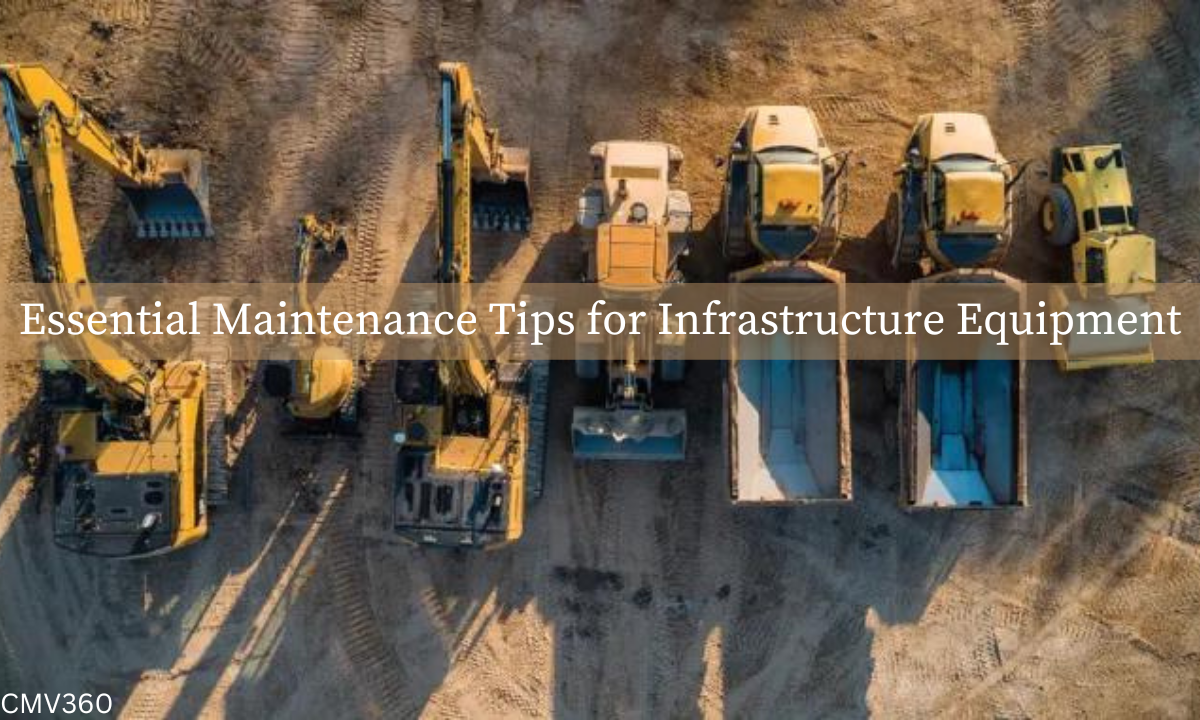
In the realm of infrastructure, the smooth functioning of equipment is paramount for seamless operations. Regular maintenance is the most prominent key to ensuring the life of infrastructure equipment.
Infrastructure Tips to Maximize Efficiency
In this comprehensive guide, we'll delve into essential maintenance tips for infrastructure equipment, providing users with actionable insights to enhance the reliability and efficiency of their machinery.
I. Understanding the Importance of Maintenance
Before we dive into specific maintenance tips, it's crucial to grasp the significance of regular upkeep for infrastructure equipment. Maintenance not only prevents unexpected breakdowns but also extends the lifespan of equipment, reduces repair costs, and enhances overall safety. By adopting a proactive maintenance approach, users can minimize downtime, improve efficiency, and ultimately maximize their return on investment.
II. Develop a Customized Maintenance Schedule
- Equipment Assessment and Inventory-Begin by conducting a detailed assessment of all infrastructure equipment. Create an inventory which includes make, model, age, and usage patterns. This information will serve as the foundation for developing a tailored maintenance schedule.
- Manufacturer Guidelines-Consult the manufacturer's guidelines and maintenance recommendations for each piece of equipment. Manufacturers often provide specific instructions regarding maintenance intervals, lubrication requirements, and other essential details. Adhering to these guidelines can prevent warranty issues and ensure optimal performance.
III. Regular Inspection and Monitoring
- Visual Inspections-Implement a routine visual inspection of infrastructure equipment. Look for signs of wear & tear, loose components, or any visible damage. Addressing minor issues as early as possible can prevent them from escalating into major problems.
- Sensor Technology-Leverage sensor technology to monitor equipment performance in real time. Advanced sensors can detect anomalies, temperature variations, and other indicators of potential issues. Integrating sensor data into a comprehensive maintenance strategy allows for predictive and preventive actions.
IV. Lubrication and Fluid Management
- Scheduled Lubrication-Establish a regular lubrication schedule for moving parts. Adequate lubrication reduces friction, minimizes wear, and extends the lifespan of crucial components. Ensure that you use the correct type and amount of lubricant specified by the manufacturer.
- Fluid Quality Checks-Regularly check the quality and levels of fluids such as oil, coolant, and hydraulic fluids. Contaminated or inadequate fluid levels can lead to equipment failure. Establish a protocol for fluid replacements and adhere to recommended intervals.
V. Calibration and Alignment
- Equipment Calibration-Calibrate precision instruments and equipment regularly to maintain accuracy. Instruments that are out of calibration can lead to errors in measurements, affecting the overall performance and safety of the infrastructure.
- Alignment Checks-Misalignment in equipment can result in increased wear and reduced efficiency. Perform regular alignment checks for components such as belts, gears, and pulleys. Correct any misalignments promptly to prevent further damage.
VI. Safety Inspections
- Emergency Shutdown Procedures-Develop and regularly review emergency shutdown procedures for infrastructure equipment. Ensure that all personnel are well-trained on these protocols to minimize risks in the event of a malfunction or emergency.
- Safety Equipment Checks-Regularly inspect and maintain safety features and equipment, including guards, emergency stop buttons, and warning systems. Ensuring the functionality of these safety measures is vital for preventing accidents and injuries.
VII. Training and Skill Development
- Operator Training-Invest in comprehensive training programs for equipment operators. Well-trained operators are more likely to detect early signs of equipment issues and operate machinery efficiently, reducing the risk of breakdowns.
- Skill Development-Foster continuous learning and skill development among maintenance personnel. Equip them with the latest techniques in equipment maintenance to stay ahead of evolving technologies and best practices.
VIII. Documentation and Record-Keeping
- Maintenance Logs-Maintain detailed logs of all maintenance activities, including inspections, repairs, and replacements. A comprehensive record allows for trend analysis, helping identify recurring issues and informing future maintenance strategies.
- Equipment History-Keep a complete history for each piece of infrastructure equipment. Documenting past issues and resolutions provides valuable insights for troubleshooting and decision-making.
Conclusion
Proactive maintenance is the cornerstone of efficient infrastructure operations. By following these essential maintenance tips, users can ensure the safety and longevity of their equipment. Developing a customized maintenance schedule, implementing regular inspections, and investing in training and documentation are all integral components of a successful maintenance strategy. Following a proactive approach not only minimizes downtime and repair costs but also contributes to a safer and more productive working environment.

With over 5 years of experience, I craft engaging content on commercial vehicles, blending expertise and creat .....