Battery Swapping vs Fast Charging: Which Technology Will Drive India’s Electric Truck Revolution?
 Add CMV360 on Google
Battery swapping and fast charging compared for India’s electric trucks. Explore Tata, Eicher, Ashok Leyland, and Montra EV truck technologies in 2026.

By Robin Kumar Attri

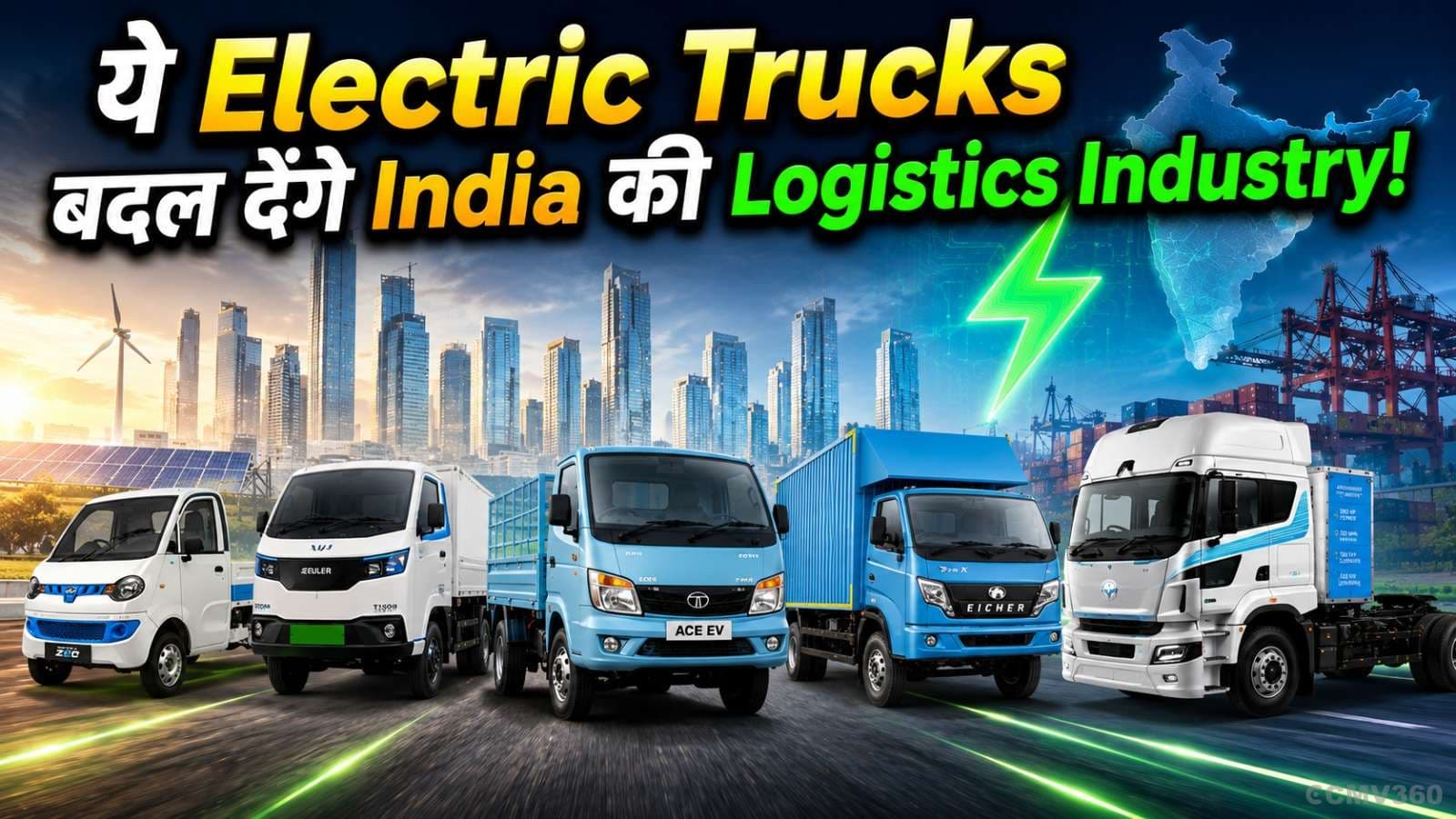
India’s commercial vehicle industry is entering its most important transformation since the shift from BS4 to BS6 emissions norms. Across industrial corridors, logistics hubs, mining belts, ports, and crowded urban delivery networks, electric trucks are beginning to replace diesel-powered fleets at a pace that seemed impossible just a few years ago.
What started with small last-mile electric cargo vehicles has now expanded into medium-duty freight carriers and even 55-tonne electric tractor-trailers. Major manufacturers like Tata Motors, Ashok Leyland, Eicher, Mahindra, and Montra Electric are aggressively investing in electric commercial mobility, while policymakers continue to push electrification through subsidies, infrastructure support, and schemes such as PM E-DRIVE.
But beneath this rapidly growing transition lies one critical battle that could shape the future of logistics in India for decades:
Will battery swapping become the dominant solution for electric commercial vehicles, or will fast charging ultimately win the race?
For fleet operators, this is not just a technology debate. It is a business decision directly tied to uptime, profitability, operational efficiency, infrastructure investment, and long-term scalability.
Because in the commercial vehicle industry, one simple rule still applies:
A truck standing still is a truck losing money.
And that is precisely why the charging ecosystem has become the defining factor in India’s EV trucking revolution.
Why Charging Infrastructure Matters More for Trucks Than Cars
Passenger electric vehicles can comfortably charge overnight at home. Commercial vehicles operate under an entirely different business model.
A logistics truck may run multiple delivery cycles every day. A heavy-duty trailer may cover hundreds of kilometres transporting steel, cement, industrial equipment, FMCG cargo, or e-commerce goods. Downtime affects delivery schedules, fleet utilisation, driver productivity, and ultimately operating margins.
This creates a massive challenge for electric commercial vehicles.
Large battery packs require significant charging time and high-capacity grid infrastructure. A heavy electric truck with a 282 kWh battery demands enormous power input if operators want rapid turnaround times.
This is where the industry has split into two competing approaches:
Fast charging, where trucks recharge through high-capacity DC chargers.
Battery swapping, where depleted batteries are replaced with fully charged units in minutes.
Both technologies promise lower running costs than diesel. Both are backed by government support. Both are being actively tested in India.
But both also come with serious compromises.
To understand which system could dominate India’s logistics sector, it is important to first understand the vehicles driving this transformation.
India’s Commercial EV Market in 2026: A Rapidly Expanding Segment
India’s electric truck market has evolved dramatically over the last few years. According to industry data, more than 18 commercial electric truck models are now available across different payload categories.
These vehicles range from compact urban cargo carriers to heavy-duty tractor-trailers designed for industrial freight movement.
Battery capacities currently range from:
15.36 kWh in compact urban cargo vehicles
Up to 282 kWh in heavy-duty electric trucks
Charging times vary significantly depending on battery size and charging infrastructure:
Vehicle Segment | Typical Charging Time |
Small Urban EVs | 5-7 hours |
Medium Commercial EVs | 1-2 hours DC fast charging |
Heavy Electric Trucks | Around 60 minutes fast charging |
The segment is presently led by:
Tata Motors
Eicher
Ashok Leyland
Mahindra
Montra Electric
Interestingly, each manufacturer is approaching electrification differently based on vehicle application and operational requirements.
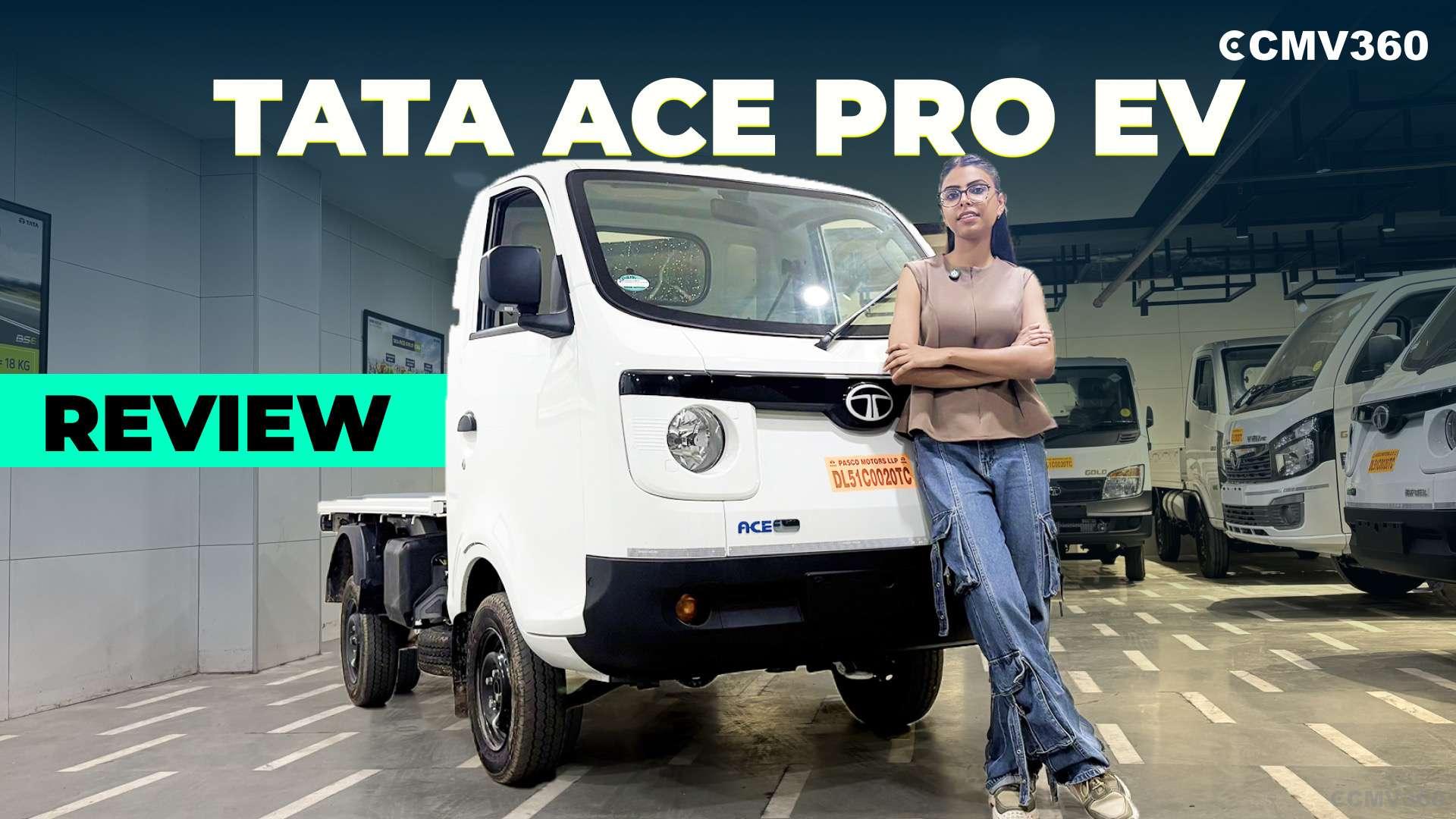
Tata Ace EV: The Foundation of India’s Urban EV Logistics Push
Tata Motors biggest strength is trust and Scale
When discussing electric commercial vehicles in India, Tata Motors remains impossible to ignore.
The company leveraged the legendary Ace platform, already trusted by thousands of small businesses and logistics operators, and transformed it into India’s first widely successful four-wheeled electric mini truck.
Tata Ace EV 1000
Specification | Details |
Power | 36 HP |
Battery | 21.3 kWh LFP |
Range | 161 km |
Payload | 1,000 kg |
Charging Time | 7 hours |
Price | ₹11.30 - ₹11.50 lakh |
The Tata Ace EV 1000 is specifically designed for:
E-commerce deliveries
Courier operations
FMCG logistics
Hyperlocal distribution
Urban cargo movement
Its biggest USP is operational simplicity.
The 161 km range comfortably supports most urban delivery cycles, while overnight depot charging keeps operations manageable without requiring expensive infrastructure.
Tata Motors has intentionally focused on fast-charging-compatible depot operations instead of battery swapping for this segment.
That decision makes sense because most Ace EV fleets operate on fixed urban routes with predictable schedules.
Also Read: Tata Ace vs Tata Intra: India’s Greatest Small Truck Rivalry, Settled
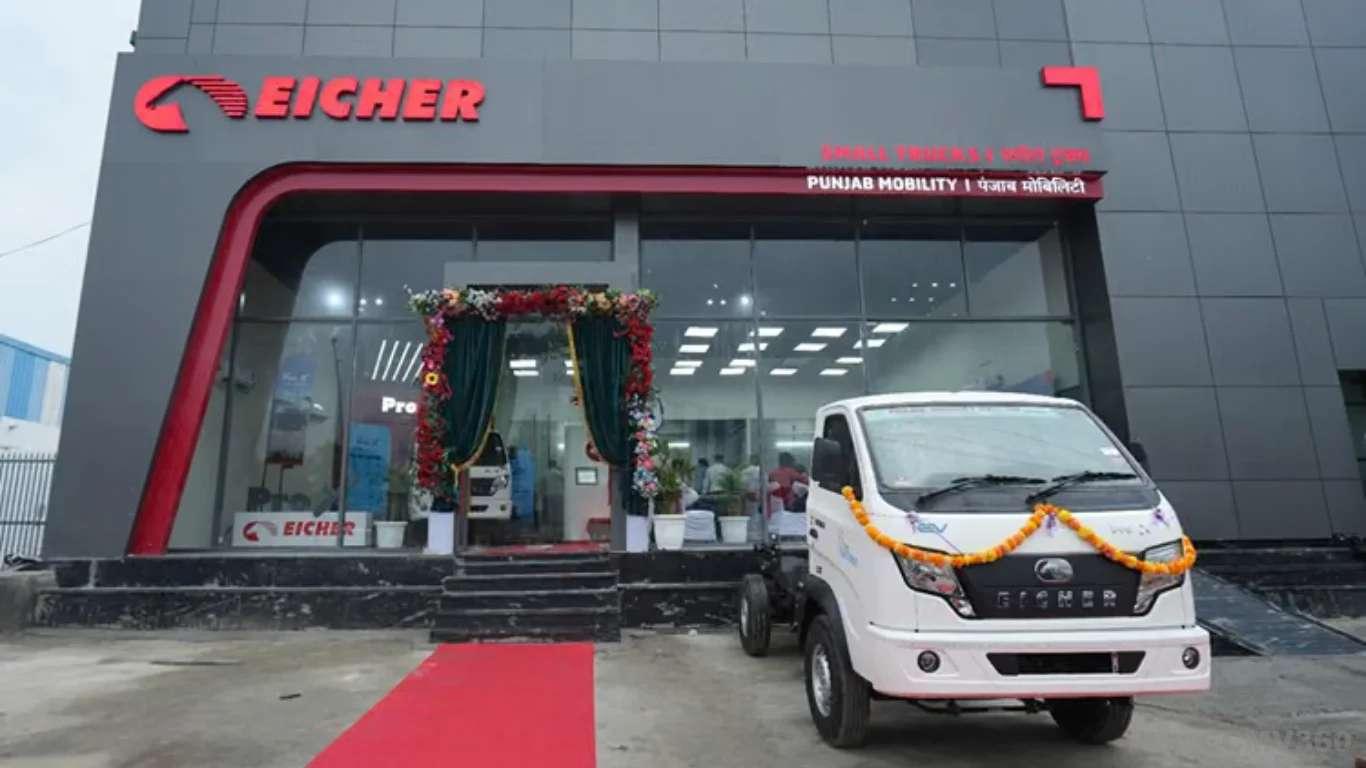
Eicher Pro 2055 EV
While Tata dominates the small commercial EV category, Eicher has quietly emerged as one of the strongest players in the light and medium-duty electric truck segment.
The Eicher Pro 2055 EV represents one of the most commercially balanced electric trucks currently available in India.
Specification | Details |
Power | 122 HP |
Battery | 64.4 kWh |
Range | 162 km |
DC Fast Charging | 1 hour 17 minutes |
Payload | 2,209 kg |
Price | ₹27 - ₹30 lakh |
What makes the Pro 2055 EV important is not the headline performance figures.
Its importance lies in operational viability.
The truck’s fast charging capability allows logistics operators to realistically integrate EVs into urban and peri-urban delivery operations without severely affecting turnaround times.
Combined with VECV’s connected fleet management ecosystem through “My Eicher,” the truck offers fleet owners better route monitoring, charging management, and vehicle diagnostics.
For organised logistics operators, this combination of technology, practicality, and manageable charging requirements makes the Pro 2055 EV one of the most deployment-ready electric trucks currently available.
Ashok Leyland Boss 1218 HB EV
Ashok Leyland has taken a more aggressive approach by entering the medium-heavy electric truck category with the Boss 1218 HB EV.
And this truck changes the conversation significantly.
Specification | Details |
Battery | 201.5 kWh |
Range | 280-350 km |
Fast Charging | 1.5-2 hours |
Torque | ~1,065 Nm |
GVW | ~11.99T |
Price | ₹25.10 - ₹26.20 lakh |
Unlike smaller electric cargo vehicles focused primarily on city movement, the Boss 1218 HB EV targets:
Inter-city freight
Industrial logistics
Construction applications
Long operational cycles
Its biggest advantage is range.
A 280-350 km operating capability significantly improves route flexibility, making fast charging commercially viable for many fleet operators.
Ashok Leyland has also aggressively positioned the truck on value, offering one of the most competitive pricing structures in the segment.
The truck demonstrates how rapidly electric commercial technology is evolving in India.
Just a few years ago, such operating capability in a medium-heavy electric truck would have been considered unrealistic.
Montra Electric Rhino 5538 EV
If one vehicle symbolises India’s electric trucking future, it is undoubtedly the Montra Electric Rhino 5538 EV.
This is not merely another electric truck launch.
It represents India’s first serious attempt at fully electrifying heavy-duty long-haul freight transportation.
And more importantly, it introduces both fast charging and battery swapping on the same platform.
Montra Rhino 5538 EV Specifications
Specification | Details |
Power | 380 HP |
Torque | 2,000 Nm |
Battery | 282 kWh |
Range | 189-198 km |
Fast Charging | 60 minutes |
Battery Swap Time | Under 6 minutes |
GCW | 55,000 kg |
Price | ₹1.15 - ₹1.18 crore |
The Rhino 5538 EV has already demonstrated serious operational capability in heavy industrial applications, including:
Steel transportation
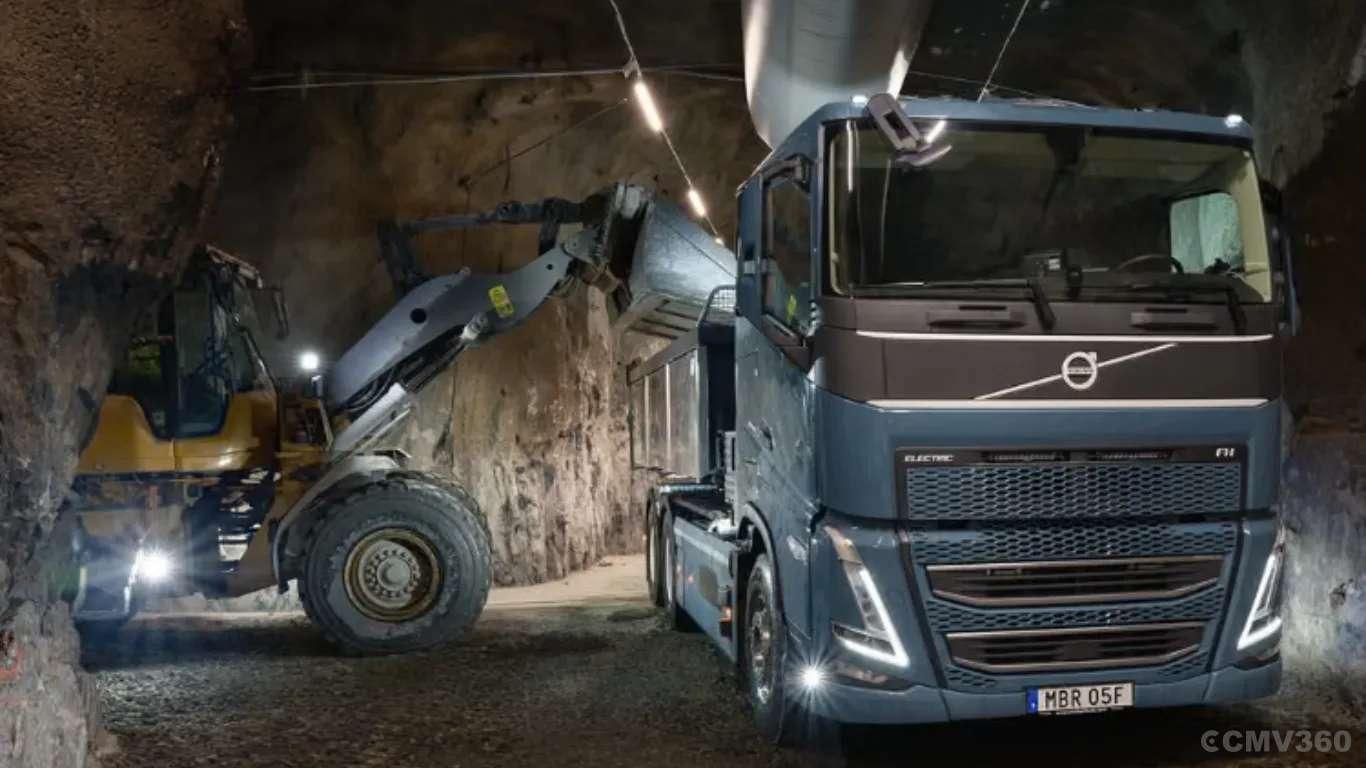
Mining logistics
Bulk cargo movement
Inter-city industrial freight
Its biggest breakthrough, however, is flexibility.
Fleet operators can choose between:
Fixed battery fast-charging configuration
Battery swapping configuration
This dual-technology strategy may ultimately become the smartest solution in India’s evolving commercial EV market.
Instead of forcing operators into one ecosystem, Montra allows them to choose based on operational requirements.
That flexibility could prove extremely important over the next decade.
Why Battery Swapping Looks So Attractive for Commercial Fleets
The biggest argument in favour of battery swapping is simple:
Speed.
A heavy electric truck battery can be swapped in under six minutes, faster than many diesel refuelling cycles.
For high-utilisation logistics operations, this changes everything.
Major Advantages of Battery Swapping
1. Near-Zero Downtime: Fleet productivity improves dramatically because trucks spend minimal time stationary.
2. Lower Upfront Vehicle Cost: Battery-as-a-service models reduce vehicle purchase costs by separating battery ownership from truck ownership.
3. Reduced Battery Degradation Risk: Fleet operators avoid long-term battery replacement liabilities.
4. Better Grid Management: Swap stations can charge batteries gradually during off-peak hours, reducing pressure on the power grid.
5. Professional Battery Maintenance: Operators receive optimised battery performance without worrying about charging cycles or thermal management.
For industries like mining, steel transportation, and industrial logistics, these advantages are extremely compelling.
The Biggest Problem With Battery Swapping: Standardisation
Despite its advantages, battery swapping faces one enormous challenge.
There is still no universal heavy-truck battery standard in India.
Every manufacturer currently develops its own battery architecture, dimensions, and integration systems.
This creates multiple problems:
Proprietary ecosystems
Limited interoperability
High infrastructure costs
Restricted network scalability
A swap station built for one manufacturer may not support another OEM’s truck.
This slows nationwide expansion dramatically.
Even though NITI Aayog and the Ministry of Power have been pushing for standardisation since 2022, full interoperability for heavy commercial vehicles remains unresolved in 2026.
And until that changes, battery swapping will remain limited largely to closed fleet ecosystems.
Why Fast Charging Still Leads the Market Today
Despite all the excitement around battery swapping, fast charging remains the most practical and scalable solution today.
And there are strong reasons why.
Advantages of Fast Charging
1. Universal Compatibility: Fast chargers can support multiple vehicle models across different brands.
2. Lower Infrastructure Cost: Installing DC chargers is significantly cheaper than building swap stations with battery inventory storage.
3. Easier Expansion: Charging infrastructure is growing rapidly across India.
4. Government Support: The PM E-DRIVE scheme heavily subsidises charging infrastructure deployment.
5. Rapid Technological Improvement: Charging speeds continue improving every year.
Global manufacturers are already developing:
500 kW charging systems
Mega charging technology
Ultra-fast commercial charging networks
These advancements could reduce charging times for heavy trucks to under 30 minutes in the future.
But Fast Charging Still Has Serious Challenges
Even with rapid improvements, fast charging still creates operational constraints.
Key Challenges
Downtime: Even 60-minute charging windows affect fleet scheduling.
Grid Demand: Large fleets charging simultaneously create enormous peak electricity demand.
Battery Replacement Costs: Fleet operators remain responsible for long-term battery degradation and replacement.
Infrastructure Dependency: High-capacity charging requires expensive electrical upgrades at depots and logistics hubs.
For high-frequency freight operations, these challenges can significantly impact profitability.
India Will Need Both Technologies
After analysing current market trends, fleet operations, infrastructure growth, and manufacturer strategies, one conclusion becomes increasingly clear:
India’s commercial EV future will not be dominated by only one technology.
Instead, both systems will coexist based on use case requirements.
Battery Swapping Will Work Best For:
Heavy-haul industrial freight
Mining logistics
Multi-shift urban fleets
High-utilisation operations
Dedicated logistics corridors
Fast Charging Will Work Best For:
Mixed fleets
Urban delivery operations
Depot-based logistics
Smaller fleet operators
Long-distance routes with limited swap access
This is exactly why Montra Electric’s dual-option Rhino platform looks so strategically important.
It reflects where the industry is likely heading.
Flexibility.
Government Policy Will Decide the Long-Term Winner
Technology alone will not determine the future of India’s electric trucking ecosystem.
Policy will.
The government is aggressively supporting EV infrastructure through:
PM E-DRIVE incentives
Charging infrastructure subsidies
Battery swapping guidelines
EV manufacturing support
However, the long-term success of battery swapping depends entirely on:
Interoperable standards
Large-scale infrastructure rollout
OEM collaboration
Nationwide swap corridor development
Without standardisation, swapping networks may remain fragmented.
And fragmentation limits scalability.
CMV360 Says
The debate between battery swapping and fast charging is often framed as a winner-takes-all battle. But that assumption misses the reality of India’s logistics industry.
India’s freight ecosystem is too large, too diverse, and too operationally complex for a single charging solution to dominate every segment. Fast charging is currently the practical backbone of India’s commercial EV expansion. It is scalable, accessible, subsidy-supported, and already operationally viable for many fleets.
Battery swapping, however, represents the industry’s most ambitious long-term productivity solution, especially for heavy-duty freight operations where uptime matters more than anything else. The smartest manufacturers are not choosing one over the other. They are preparing for both. And that may ultimately define the next phase of India’s logistics revolution. Because the future of commercial mobility in India will not belong to the company with the biggest battery. It will belong to the company that keeps trucks moving the longest.

Robin Kumar Attri is a content and video professional with 2.7 years of experience in the commercial vehicle d .....