Zingbus Crosses 17.5 Lakh Electric Kilometres, Avoids 1,300 Tonnes of CO₂ Emissions
 Add CMV360 on Google
Zingbus reports 17.53 lakh electric km, 5 lakh litres of diesel displaced and around 1,300 tonnes of avoided tailpipe CO₂ emissions.

By Robin Kumar Attri

Key highlights:
17,53,380 cumulative electric kilometres completed.
5,00,966 litres of diesel displaced.
Around 1,300 tonnes of tailpipe CO₂ avoided.
Each electric bus covers 550 km daily.
Nearly 675 passengers carried every day.
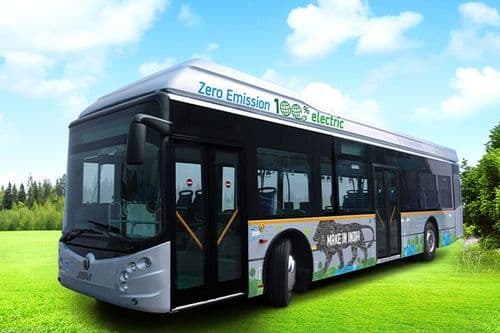
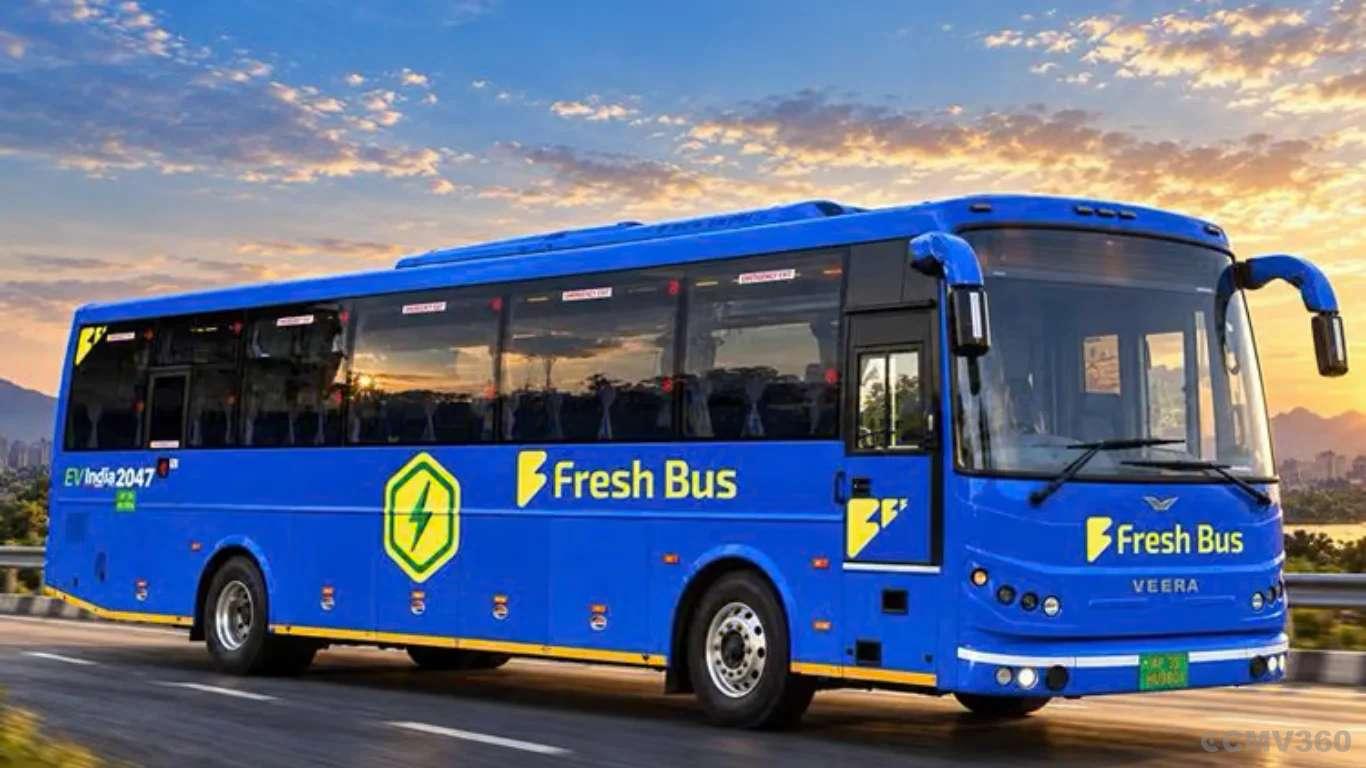
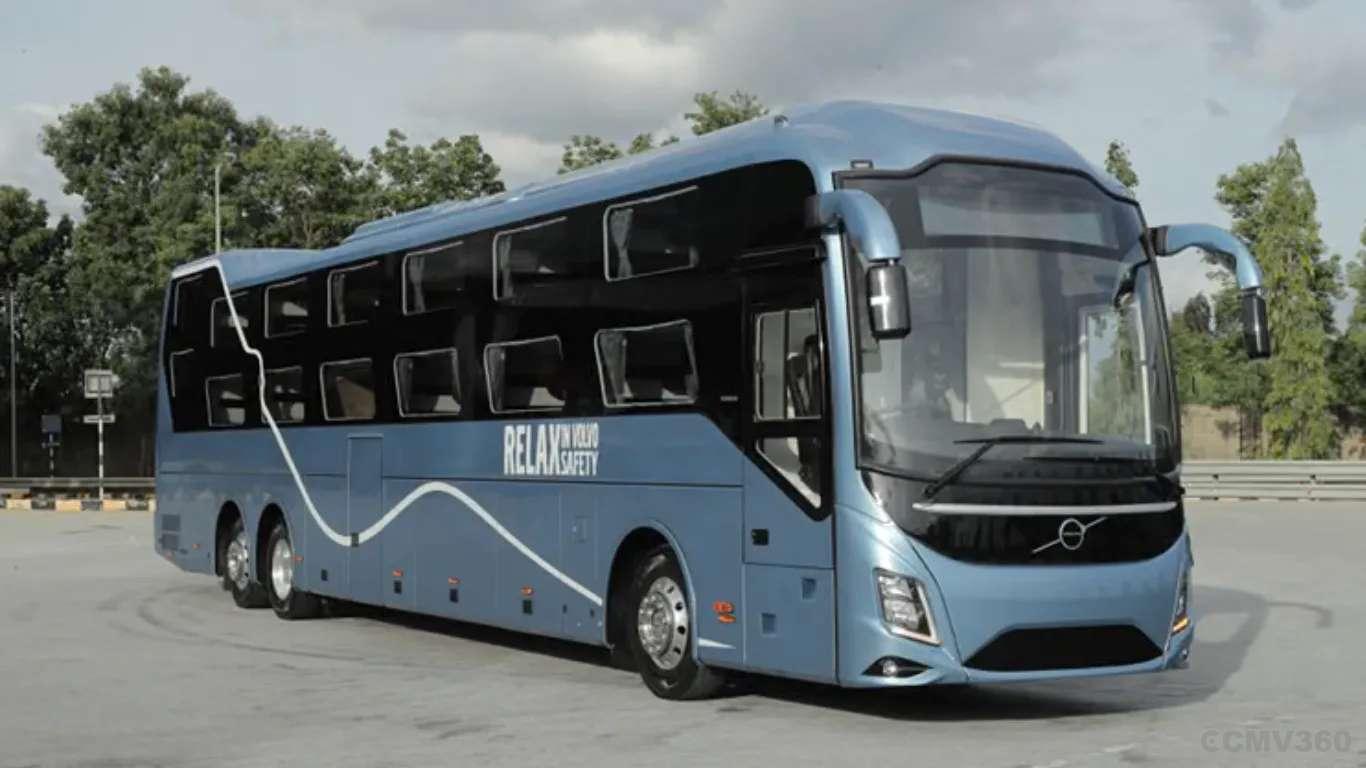
Intercity bus operator zingbus has highlighted the operational impact of its electric bus fleet, reporting 17,53,380 cumulative electric kilometres completed across its electric bus operations. The company released the operational performance data on Thursday, focusing on actual fleet usage, fuel displacement and emissions avoided rather than just electric bus registrations.
According to zingbus, its electric operations have displaced an estimated 5,00,966 litres of diesel fuel to date. Based on standard diesel combustion metrics, the company estimates that this fuel displacement has helped avoid around 1,300 tonnes of direct tailpipe carbon dioxide (CO₂) emissions.
Electric Buses Cover 550 km Daily
The operational data also highlights the utilisation of zingbus electric fleet. Each electric bus in the network covers an average of 550 kilometres per day, demonstrating the role of electric buses in high-utilisation intercity operations.
Collectively, the electric fleet currently transports nearly 675 passengers every day, highlighting the potential of electric buses to support passenger mobility while reducing dependence on diesel fuel.
zingbus Calls for Stronger EV Ecosystem
Commenting on the operating performance, Prashant Kumar, Co-Founder and CEO, zingbus, said that the next phase of electric bus adoption must allow operators to participate confidently through better access to technology, demand visibility and sustainable operating models. He added that these factors can help electric buses scale while delivering measurable benefits for passengers, operators and the environment.
The operational figures underline how electric bus adoption can deliver tangible environmental benefits when vehicles are actively deployed on intercity routes. By tracking kilometres, fuel displacement and passenger usage, zingbus is highlighting operational performance as an important measure of the ongoing EV transition.
Also Read: FlixBus Increases Bus Capacity by Up to 150% on High-Demand Routes
CMV360 Says
zingbus electric fleet has crossed 17.53 lakh cumulative kilometres while displacing nearly 5.01 lakh litres of diesel and avoiding an estimated 1,300 tonnes of tailpipe CO₂ emissions. With each bus covering 550 km daily and the fleet serving nearly 675 passengers, the data shows how high utilisation can strengthen the practical case for electric intercity mobility.

Robin Kumar Attri is a content and video professional with 2.7 years of experience in the commercial vehicle d .....