Vehicle Scrappage in India: A Step-by-Step Guide
 Add CMV360 on Google
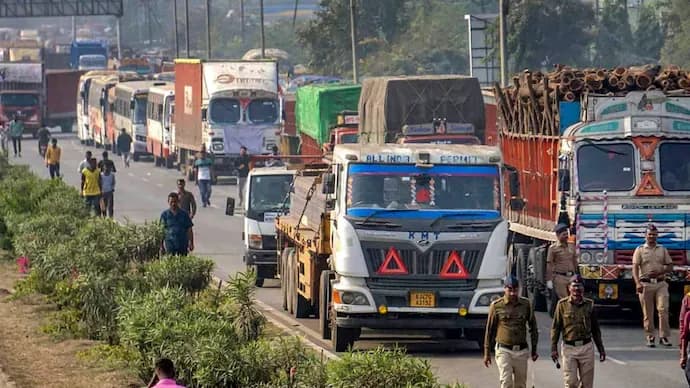
For private vehicles, the general criteria for scrappage apply to those over 20 years old, while commercial vehicles must be older than 15 years.

By Priya Singh
Key Highlights:
- Vehicle scrappage in India aims to remove old and polluting vehicles from the roads.
- Private vehicles over 20 years old and commercial vehicles over 15 years must pass a fitness test.
- Owners need to contact authorized scrapping centers to begin the process.
- A 'Certificate of Destruction' is issued after the vehicle is scrapped, required for de-registration.
- Owners can claim scrap value and benefits on new vehicle registration fees with the scrappage certificate.
Vehicle scrappage in India is the process of removing old, unfit, or polluting vehicles from circulation and replacing them with new ones. This procedure is governed by the Vehicle Scrappage Policy, aimed at reducing pollution and ensuring road safety.
For private vehicles, the general criteria for scrappage apply to those over 20 years old, while commercial vehicles must be older than 15 years. If these vehicles fail the mandatory fitness test, they are considered End-of-Life Vehicles (ELVs). Below is a simple guide on how to apply for vehicle scrappage in India.
Steps to Apply for Vehicle Scrappage:
Step 1: Contact an Authorized Scrapping Center
Locate a government-approved scrapping facility through the Ministry of Road Transport and Highways (MoRTH) website or your local Regional Transport Office (RTO).
Step 2: Gather Required Documents
Before visiting the scrapping center, ensure you have these documents:
- Original Registration Certificate (RC)
- PAN card
- Aadhar card or another valid ID proof
- Address proof
Step 3: Scrapping Process
Once your documents are verified, the vehicle will be dismantled according to environmental regulations. Fluids and hazardous materials will be removed before the vehicle is crushed.
Step 4: Obtain a Certificate of Destruction
After the vehicle is scrapped, you will receive a 'Certificate of Destruction,' a necessary document for de-registering the vehicle at the RTO.
Step 5: De-Register the Vehicle
Submit the Certificate of Destruction to your local RTO to officially de-register the vehicle. This prevents penalties related to unregistered vehicles.
Step 6: Claim Scrap Value and Benefits
The scrapping center will pay you the agreed scrap value, typically via cheque or direct transfer. With the scrappage certificate, you may also receive benefits like discounts on registration fees for a new vehicle.
Also Read: Ashok Leyland to Launch Vehicle Scrappage Facility in Tamil Nadu
CMV360 Says
The vehicle scrappage policy is a practical approach to removing older, polluting vehicles from Indian roads. It simplifies the process for vehicle owners while offering incentives for adopting newer, cleaner vehicles, ultimately contributing to better air quality and road safety

Hi there! I'm Priya. From trucks to vans and everything in between, I'm here to provide you with up-to-date in .....