Top 10 Reasons Why Electric Vehicles Will Be the Future of Transportation in 2022
 Add CMV360 on Google
Purchasing or leasing an EV might provide you with tax advantages. If you have an electric vehicle registered in your company's name, you can take advantage of the 40% depreciation in the first year to save money on income taxes.

By Priya Singh
Tesla has been one of the most successful EV companies/brands in the world, but others, including Mercedes-Benz, Tata, Volvo, Audi, Hyundai, Nissan, BMW, and Renault, have also launched EVs that are being well received by customers in various areas.
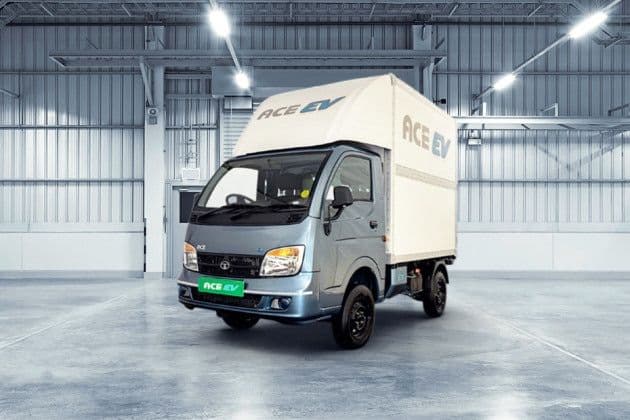
The global market for electric vehicles (EVs) is expanding at a compound annual growth rate (CAGR) of 21.7%. By 2030, it is predicted to rise from 8.1 million to 39.21 million units. Various issues, including pollution concerns, are driving this exponential growth.
Governments throughout the world are pushing the EV industry with subsidies and regulations, and customers are seeking low-emission commuting instead of the fossil-fuel-powered vehicles that are threatening our planet.
When the first EVs were manufactured/introduced, the industry did not take off due to relatively high beginning costs, short battery range, low speed, and far fewer environmental concerns. However, during the last decade, there has been widespread interest among original equipment manufacturers (OEMs), customers, and governments, resulting in massive expenditures in EV manufacturing and battery technology, resulting in the sale of millions of vehicles in various nations.
All of the big global and Indian OEMs have invested in and released EVs, and a large number of new OEMs have attracted large investments and developed extremely successful models, increasing demand for EVs and, as a result, producing unicorns.
Tesla has been one of the most successful EV companies/brands in the world, but others, including Mercedes-Benz, Tata, Volvo, Audi, Hyundai, Nissan, BMW, and Renault, have also launched EVs that are being well received by customers in various areas.
Diesel vehicles are less expensive than electric vehicles and have higher torque (power) for increased performance and towing. EVs, on the other hand, are less expensive to operate, have better onboard technology, and are better for the environment.
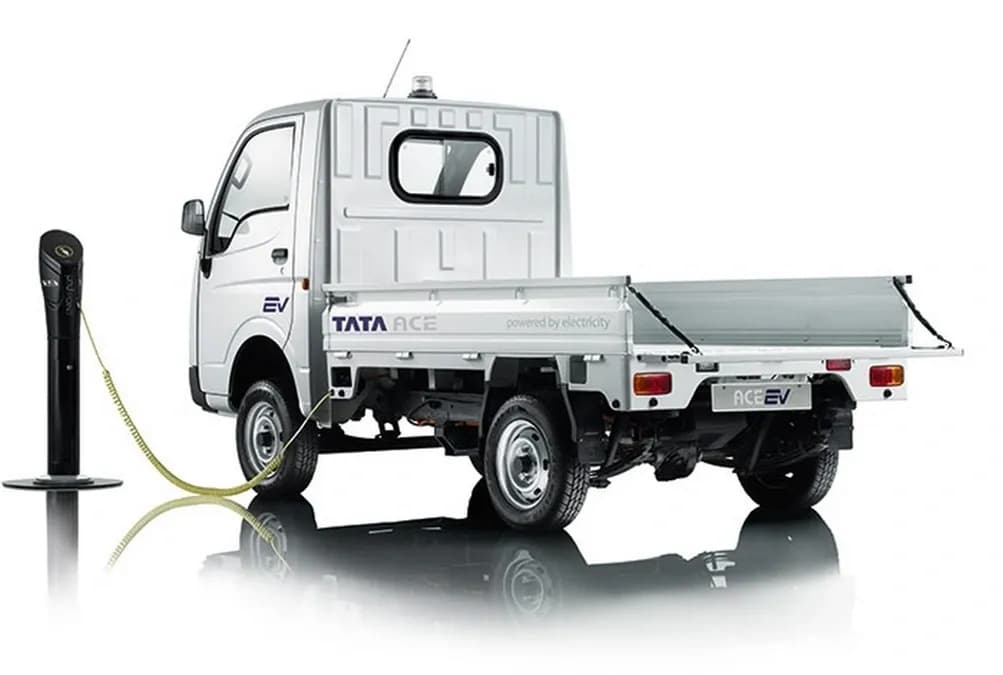
There is no arguing that electric vehicles (EVs) are the way of the future for transportation. There are global efforts underway to combat global warming and severe climate change. As a result, electric vehicles (EVs) are becoming more popular in the automotive industry. The world has experienced a tremendous shift from diesel to electric vehicles.
The lower operating costs of Electric Vehicles (EVs) compared to four-wheelers with an Internal Combustion Engine (ICE) has resulted in a surge in electric automobiles in India. Is it just the lower operating costs, or do EVs provide more? Continue reading to learn about the advantages of electric automobiles over their fuel-powered equivalents.
Top 10 Advantages of EVs in India
Here are some of the benefits of electric vehicles in India.
- Lower operating costs
You save a lot of money on fuel because you don't have to pay for petrol or diesel to keep your EV operating. When compared to the price of petrol or diesel, the cost of charging an electric vehicle is far lower. You can further lower your electricity costs by utilizing sustainable energy sources such as solar.
- Low maintenance costs
Because they have so many moving parts, petrol and diesel trucks require routine maintenance. That is not the case with electric vehicles, which have fewer moving parts. This means that your electric vehicle will most likely have lower long-term maintenance expenditures.
- Tax and financial advantages
With India's embrace of EVs, the government offers a variety of laws and incentives to encourage the use of such vehicles. For example, EVs have lower registration and road tax costs than ICE vehicles.
Purchasing or leasing an EV might provide you with tax advantages. If you have an electric vehicle registered in your company's name, you can take advantage of the 40% depreciation in the first year to save money on income taxes. The government also supports your decision to purchase an electric vehicle and has already implemented an EV policy that allows you to receive additional advantages of up to Rs 1.5 lakh.
- Improved performance
EVs were once thought to be unfeasible. However, this has evolved over time, with manufacturers now delivering well-designed and attractive EVs. Even the performance of electric vehicles has improved. Electric vehicles are lower in weight and have superior acceleration when compared to fuel-powered vehicles.
- No emissions from tailpipes
EVs have no exhaust emissions, which helps to lessen the carbon footprint. You may further lower your carbon impact by charging your EV with renewable energy.
- Convenient and silent
EVs are simple to drive because they have fewer moving components and simple controls. You can also charge such a car by plugging it into a public or home charging station. Because electric vehicles lack gears, they provide a superb driving experience with no confusing controls. Simply accelerate, brake, and turn to control and have a decent, convenient, safe, and noise-free journey.
Another advantage of driving an electric vehicle is that it produces less noise. In comparison to internal combustion engines and their exhaust systems, electric motors are extremely silent. Several studies have found that vehicle noise can have a variety of harmful effects, including increased anxiety, depression, high blood pressure, heart disease, stroke, and other health problems. In people, noise pollution may also raise the likelihood of severe depression symptoms.
- Charging convenience
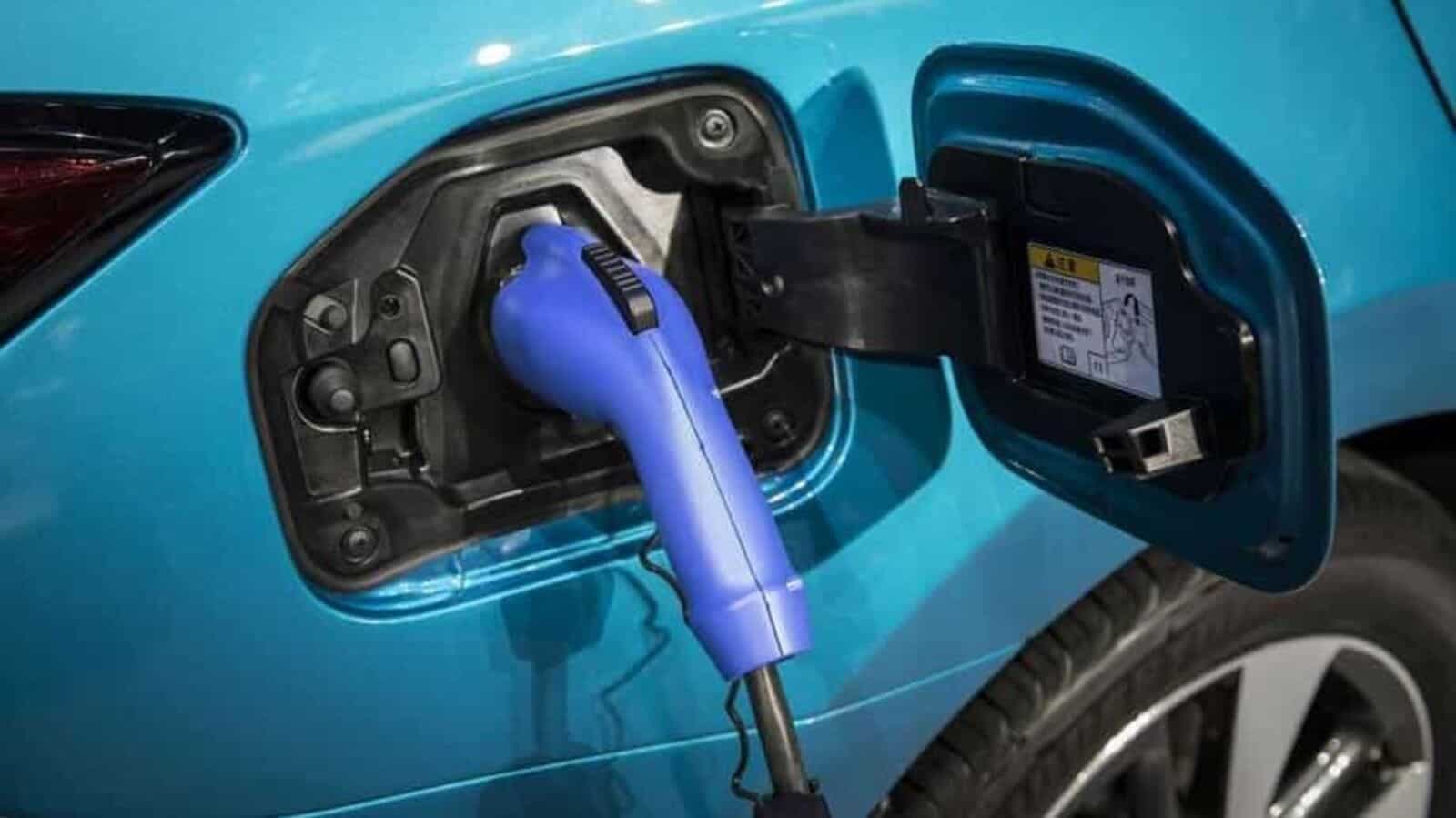
There is no need to locate the nearest petrol station to refuel. Charge your electric vehicle at home and get moving. With modern charging technologies, you may charge an EV quickly or even use battery swapping services to keep driving without worrying about conventional fuel availability.
- No fuel, no emissions
One of the major advantages of EVs is their environmental impact. Pure EVs emit no tailpipe emissions, reducing air pollution. Because the EV's electric motor operates on a closed circuit, it does not generate any toxic gases. Pure electric vehicles do not use petrol or diesel, which is great for the environment.
- More storage and a larger cabin
Electric vehicles, with fewer moving parts, provide the option to turn these compartments into storage and provide more cabin space. Since the traditional ICE is no longer there, there are also storage places under the hood. In comparison to gasoline-powered vehicles, EV motors and batteries take very less space.
- They are long-lasting.
With some governments promising to gradually reduce their dependency on petrol and diesel. EVs are seen as a viable alternative.
Final Words
Electric vehicles are the way of the future! Manufacturers are putting more effort into transitioning from traditional vehicles to electric ones. There are numerous advantages to owning an electric vehicle with the appropriate level of functioning and infrastructure. With so many advantages, 2022 could be the year to purchase a electric vehicle on the upcoming festive season.

Hi there! I'm Priya. From trucks to vans and everything in between, I'm here to provide you with up-to-date in .....