Tata Motors Allocates 40% of Capex to Futuristic Megatrends
 Add CMV360 on Google
Tata Motors' CV business, which was recently separated from its passenger vehicle and electric mobility operations, is divided into eight verticals.

By Priya Singh
Key Highlights:
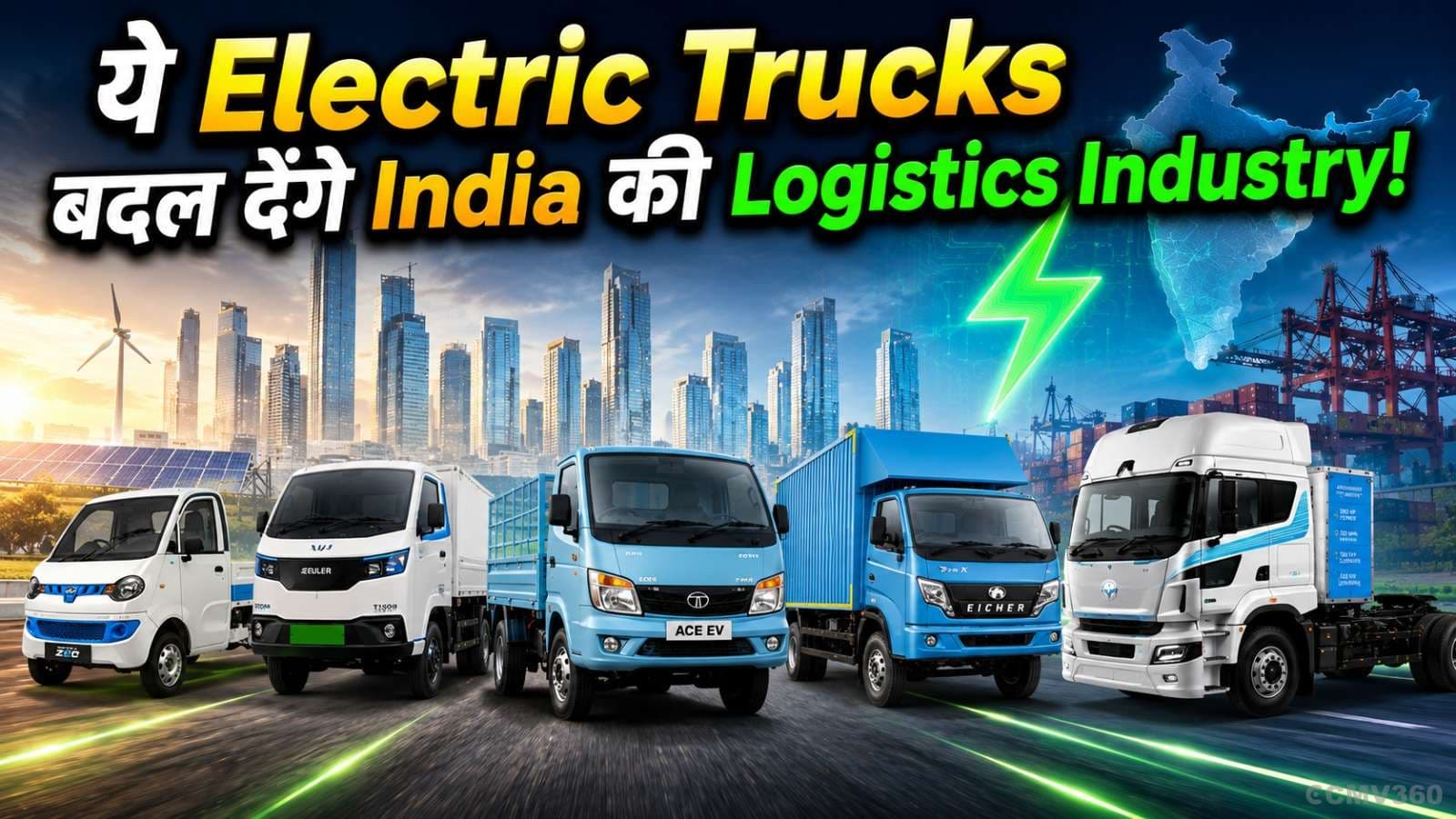
- Tata Motors' CV division plans to spend over 40% of its capital on electric vehicles, LNG, CNG, biofuels, and hydrogen.
- Girish Wagh highlighted significant investments in these technologies.
- Tata Motors is exploring twelve alternative fuels, including hydrogen technologies, for net-zero emissions.
- The company is developing modular EV platforms and hydrogen engines with Cummins Inc.
- Post-demerger, Tata Motors' CV business achieved record revenues with eight segmented verticals focusing on profitable growth.
Tata Motors' commercial vehicle (CV) division intends to spend more than 40% of its overall capital expenditure (Capex) on addressing future megatrends such as electric vehicles and alternative fuels such as LNG, CNG, biofuels, and hydrogen.
During a conversation with the media, Girish Wagh, Executive Director of Tata Motors, stated, "We continue to invest extensively in all of these technologies ahead of time. This year, we will spend more than 40% of our overall capex on addressing these prospective megatrends."
Technological Advancements
According to a recent investor presentation, Tata Motor is pursuing a multifaceted approach to navigating the changing fuel market. As part of its efforts to achieve net-zero emissions, the corporation is actively researching a dozen alternative fuel options, including three hydrogen-based technologies.
For example, as part of its efforts, the company has already created modular platforms for electric vehicles. Furthermore, in the hydrogen area, the company established a new facility in Jamshedpur in partnership with its long-term partner Cummins Inc. to manufacture hydrogen-powered internal combustion (ICE) engines for medium and large commercial vehicles. It also supplied India's first hydrogen fuel cell buses to Indian Oil last year.
Tata Motors' statement comes after its CV division reported its highest-ever quarterly and yearly revenue in Q4 and FY24, respectively, with annual revenue increasing by a significant 11.3% over FY23. A stronger focus on profitable expansion resulted in the greatest ever EBIT (I 6,479 crore), up a solid 77% from FY23.
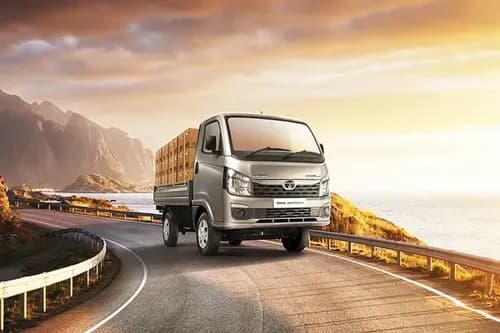
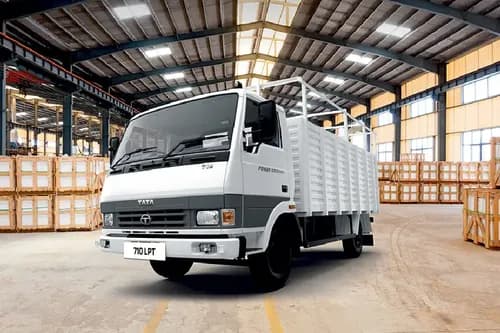
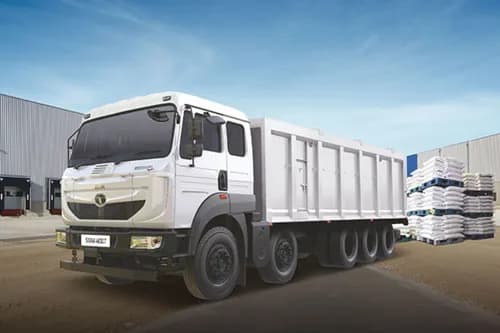
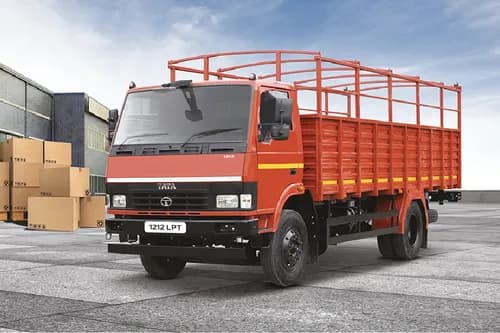
Tata Motors' CV business, which was recently separated from its passenger vehicle and electric mobility operations, is divided into eight verticals. This comprises four product line businesses: heavy commercial vehicles, intermediate and light/medium commercial vehicles, buses and vans, and small commercial vehicles.
Each of these four firms has separate consumer needs, encounters diverse competition, and operates under distinctive market dynamics, necessitating their separation to allow for more focused strategy. These enterprises are likewise integrally linked to industry volume; their growth mimics industry growth, and they fall when the industry is volatile.
Beyond these four, Tata Motors has built four other businesses that are less reliant on domestic economic cycles. The first is their overseas business, followed by their downstream spare parts and service sector, which is determined by the current vehicle population ("park volume") rather than annual sales.
The third segment is the smart city transportation company, which owns, runs, and repairs electric buses. Finally, the company has established a digital division that focuses on developing platforms for the pre-sales, sales, and in-use phases, among others.
Also Read: Tata Motors Seeks Extended Government Support for Sustainable EV Growth
CMV360 Says
Tata Motors' focused investment in future technologies underscores its commitment to sustainability and innovation in the commercial vehicle sector. Allocating a substantial portion of their capex to electric and alternative fuel technologies, they are positioning themselves as leaders in transitioning towards cleaner and more efficient mobility solutions.

Hi there! I'm Priya. From trucks to vans and everything in between, I'm here to provide you with up-to-date in .....