LNG: The Future Fuel for Heavy Commercial Vehicles, Says IOC Director Sujoy Choudhary
 Add CMV360 on Google
India's truck market is predicted to more than triple to around 17 million units by 2050, up from 4 million trucks in 2022.

By Priya Singh
Key Highlights:
- LNG is a promising alternative fuel for heavy-duty trucks, cleaner and cheaper than diesel.
- Automakers like Ashok Leyland, Tata Motors, and Blue Energy have launched LNG trucks, with about 10 LNG stations in India.
- Indian Oil is planning 50 new LNG stations along major highways to improve LNG availability.
- LNG trucks have higher initial costs but lower fuel costs, leading to a payback period of about two years for high-mileage vehicles.
- The government supports LNG use with incentives and recently inaugurated a new SSLNG unit to boost LNG supply in non-pipeline areas.
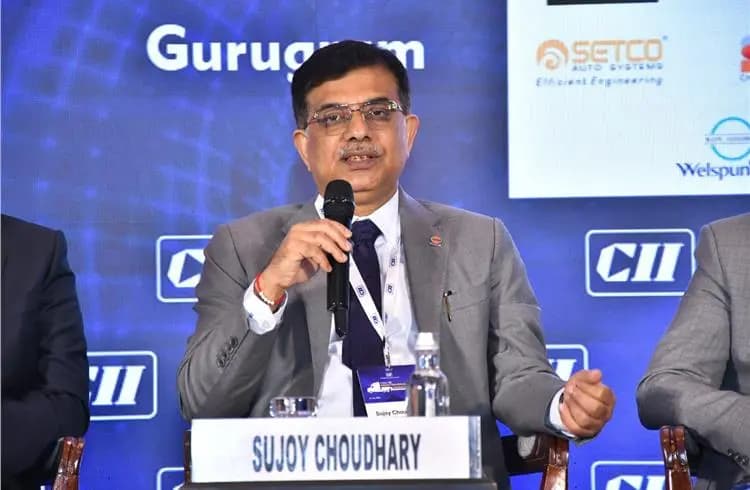
According to Sujoy Choudhary, Director of Planning and Business Development at Indian Oil Corp., liquefied natural gas (LNG) stands out as a promising alternative fuel choice for trucks and other heavy-duty commercial vehicles, as well as a rising niche in sustainable transportation.
The commercial vehicle industry and the government are considering LNG fuel as an alternate fuel choice for long-haul trucks and buses, where diesel is the primary fuel. LNG is substantially cleaner than diesel and typically less expensive. In nations such as China, LNG is successfully employed in these vehicles.
"The primary area in which we are seeing substantial traction is LNG. We are looking at a sunrise area. LNG transportation by road will undoubtedly exist. LNG appears to be the brightest spot in the heavy vehicle segment," Choudhary said at the CII-organized Indian Commercial Vehicle Conclave 2024.
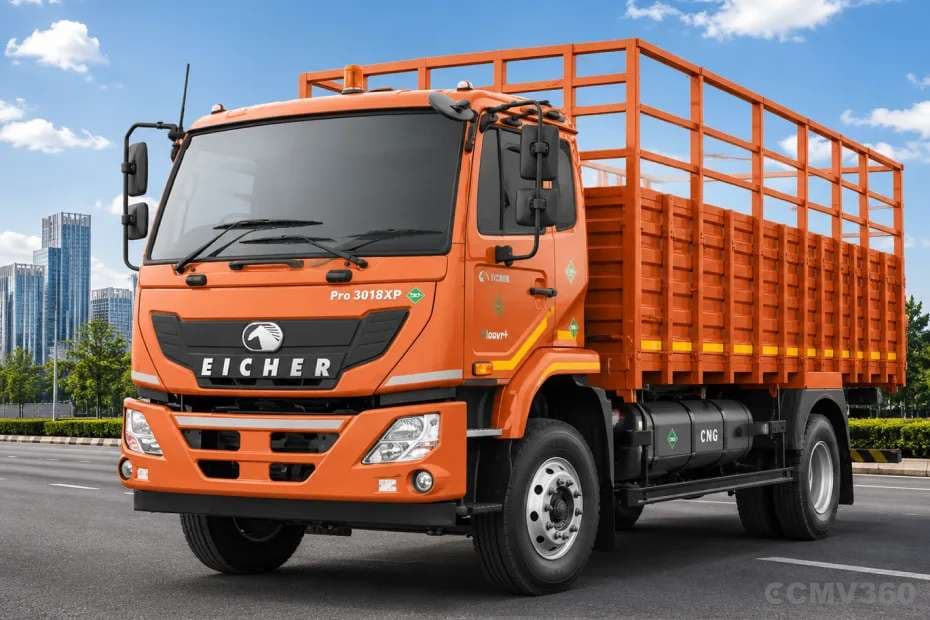
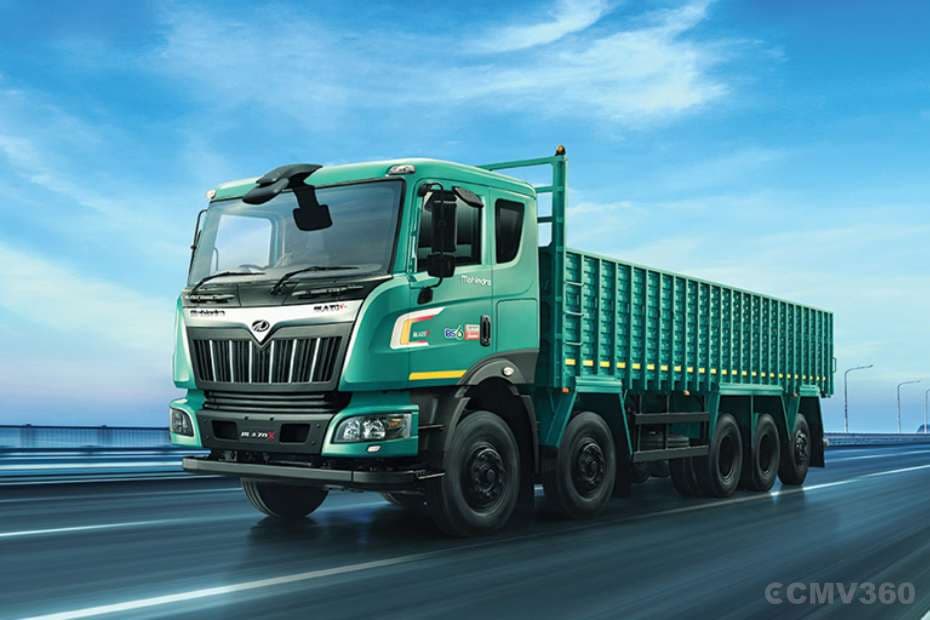
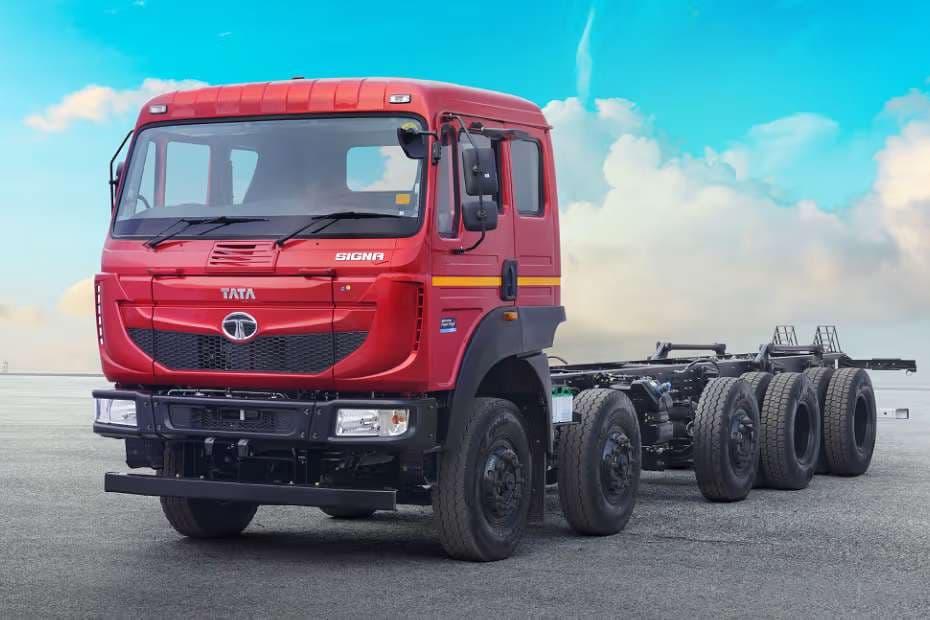
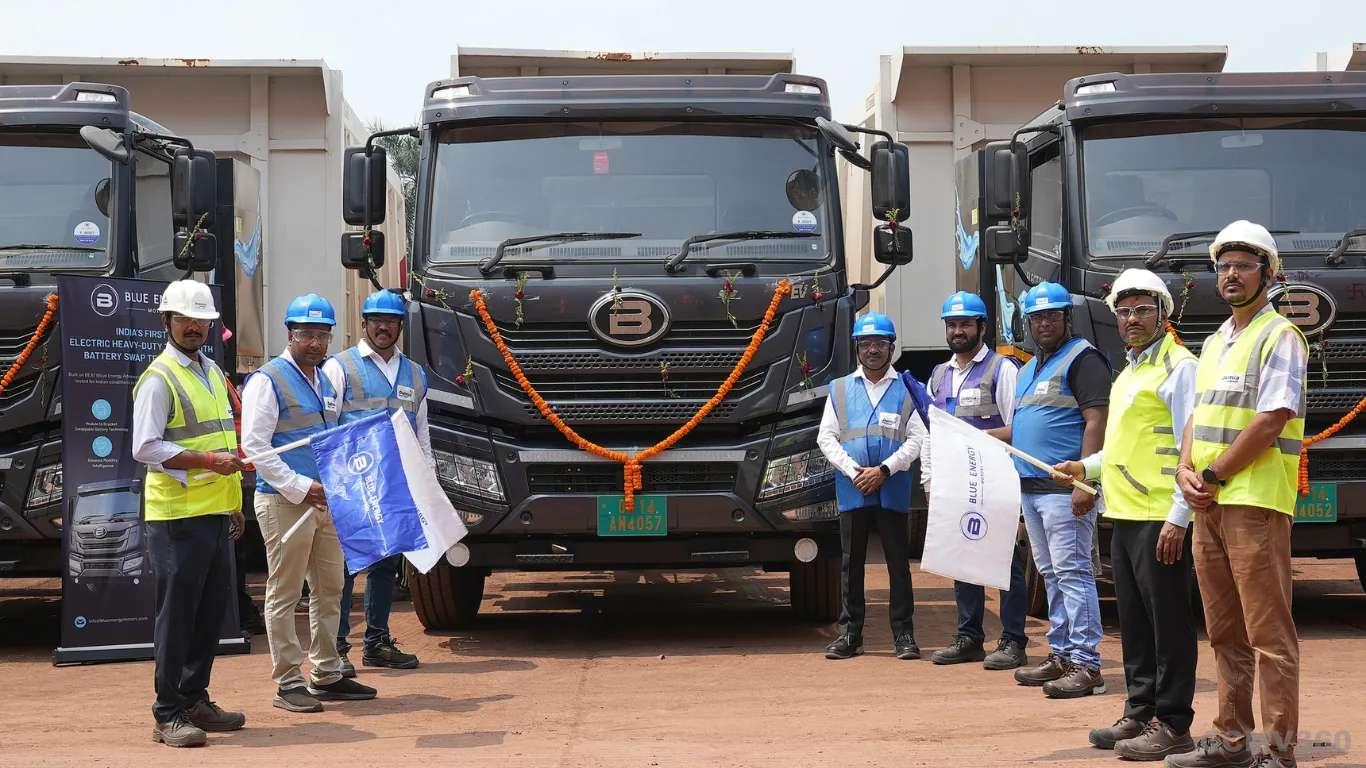
Automakers such as Ashok Leyland, Tata Motors, and Blue Energy have already launched LNG trucks in the market. Currently, the country has about ten LNG dispensing stations.
Choudhary feels that the availability of LNG fuel is not a huge issue, since oil marketing corporations are expanding LNG stations throughout the Golden Quadrilateral and other key highways.
First Small-Scale LNG Unit Inaugurated
The government recently launched the first small-scale liquefied natural gas (SSLNG) unit at GAIL's Vijaipur complex in Madhya Pradesh. These plants deliver LNG in trucks and small vessels to industrial and commercial customers in areas without pipelines.
The supply of LNG to locations not connected by pipelines is a significant barrier to increasing LNG usage.
Cost and Economic Viability of LNG Trucks
Regarding the higher costs for LNG trucks, Choudhary stated that while LNG trucks have higher acquisition costs than diesel trucks, vehicle operation results in reduced fuel expenses and a lower total cost of ownership for LNG trucks.
"We have seen that if the vehicle runs for 8,000 km a month or 1 lakh km a year you get the payback by two years," he stated.
Expansion of LNG Infrastructure
Plans are underway for 50 LNG stations along the Golden Quadrilateral, with Indian Oil responsible for establishing 16 of them. 'We have already opened our first station, and another 5-6 are nearing completion,' Choudhary stated.
Government Support for LNG
Earlier this year, the government's policy think tank Niti Aayog proposed several fiscal and non-fiscal incentives, such as priority lanes and tax breaks for LNG trucks, to encourage LNG in medium and heavy commercial vehicles.
India's truck market is predicted to more than triple to around 17 million units by 2050, up from 4 million trucks in 2022.
Also Read: Ashok Leyland delivers AVTR 1922: India’s first LNG powered haulage truck
CMV360 Says
The adoption of LNG as a fuel for heavy-duty vehicles is a positive step towards cleaner and more cost-effective transportation. With the government's support and the expansion of LNG infrastructure, the transition from diesel to LNG can significantly reduce emissions and operational costs in the long term.

Hi there! I'm Priya. From trucks to vans and everything in between, I'm here to provide you with up-to-date in .....