KKR to Invest $310 Million in PMI Electro and Allfleet for India’s E-Bus Expansion
 Add CMV360 on Google
KKR will invest up to $310 million in PMI Electro and Allfleet to expand electric bus operations and manufacturing in India, marking its first Global Climate Transition strategy investment in the country.

By Robin Kumar Attri

Key Highlights
- KKR to invest up to $310 million in PMI Electro and Allfleet for e-bus expansion
- Allfleet aims to deploy over 5,000 electric buses across Indian cities under long-term agreements
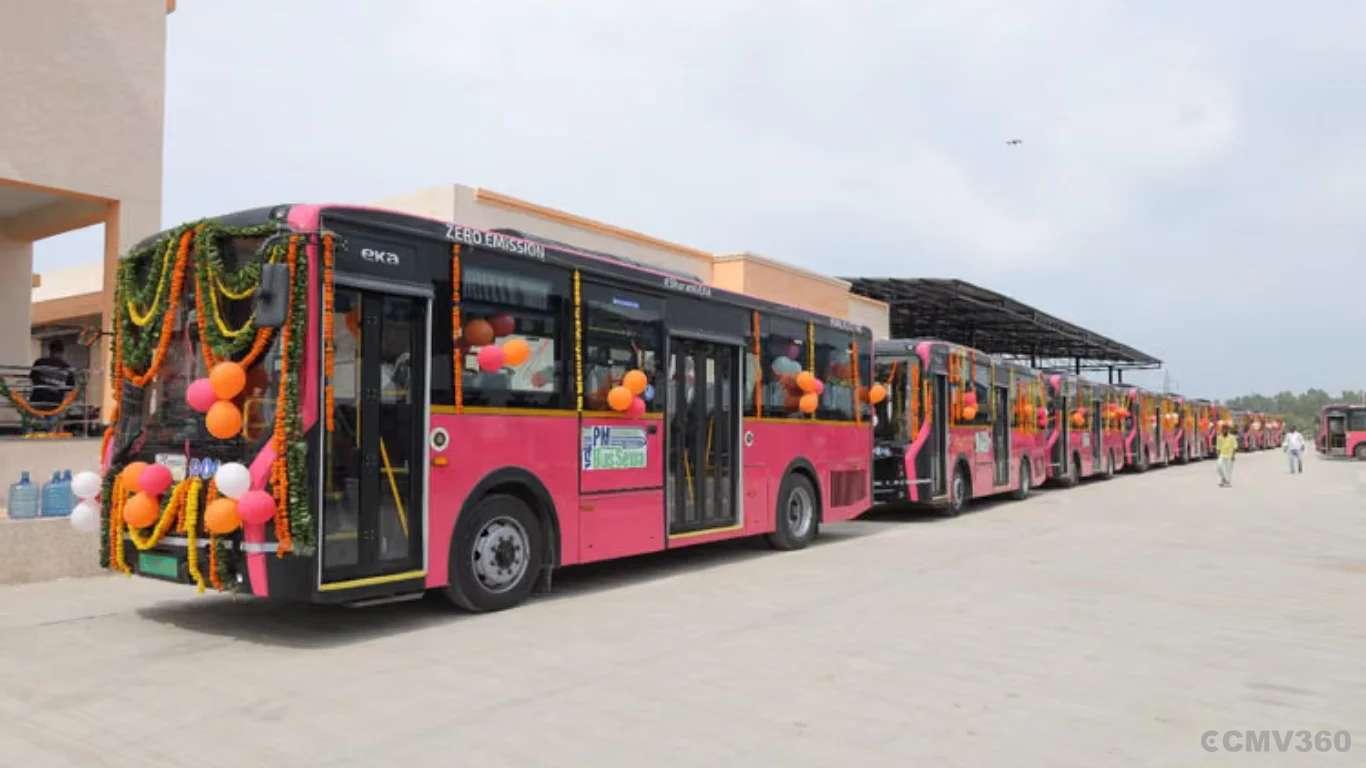
- PMI Electro has produced more than 3,000 electric buses for over 30 cities in India
- KKR’s investment marks its first Global Climate Transition strategy deployment in India
- The deal integrates manufacturing and fleet operations, a rare approach in the Indian market
Investment Structure and Objectives
KKR’s capital will support the expansion of Allfleet’s electric bus operations and strengthen PMI Electro’s manufacturing capabilities. Allfleet, established in 2022, serves as PMI Electro’s dedicated bus operating platform. It develops, owns, and operates electric public transport fleets through subsidiaries, working under long-term concession and service agreements with state transport authorities. Allfleet is on track to deploy over 5,000 electric buses, positioning it as a major operator in India’s emerging electric public transport sector.
The investment gives KKR a majority stake in Allfleet, providing direct exposure to fleet operations and concession-based revenue streams. The minority stake in PMI Electro connects KKR to the manufacturing supply chain that supports Allfleet’s growth. This integrated approach, covering vehicle production, fleet ownership, daily operations, and lifecycle maintenance, is uncommon in India, where manufacturing and fleet operations are usually separate.
Market Context and Policy Support
India has set ambitious targets to reduce transport sector emissions as part of its climate commitments. Urban bus networks, many still diesel-powered, are seen as key areas for electrification to improve air quality in densely populated cities. The government supports this transition through initiatives like the PM e-Bus Sewa scheme, which funds electric bus deployment in cities nationwide. State transport undertakings are the main partners in procurement and concession arrangements, including those involving Allfleet.
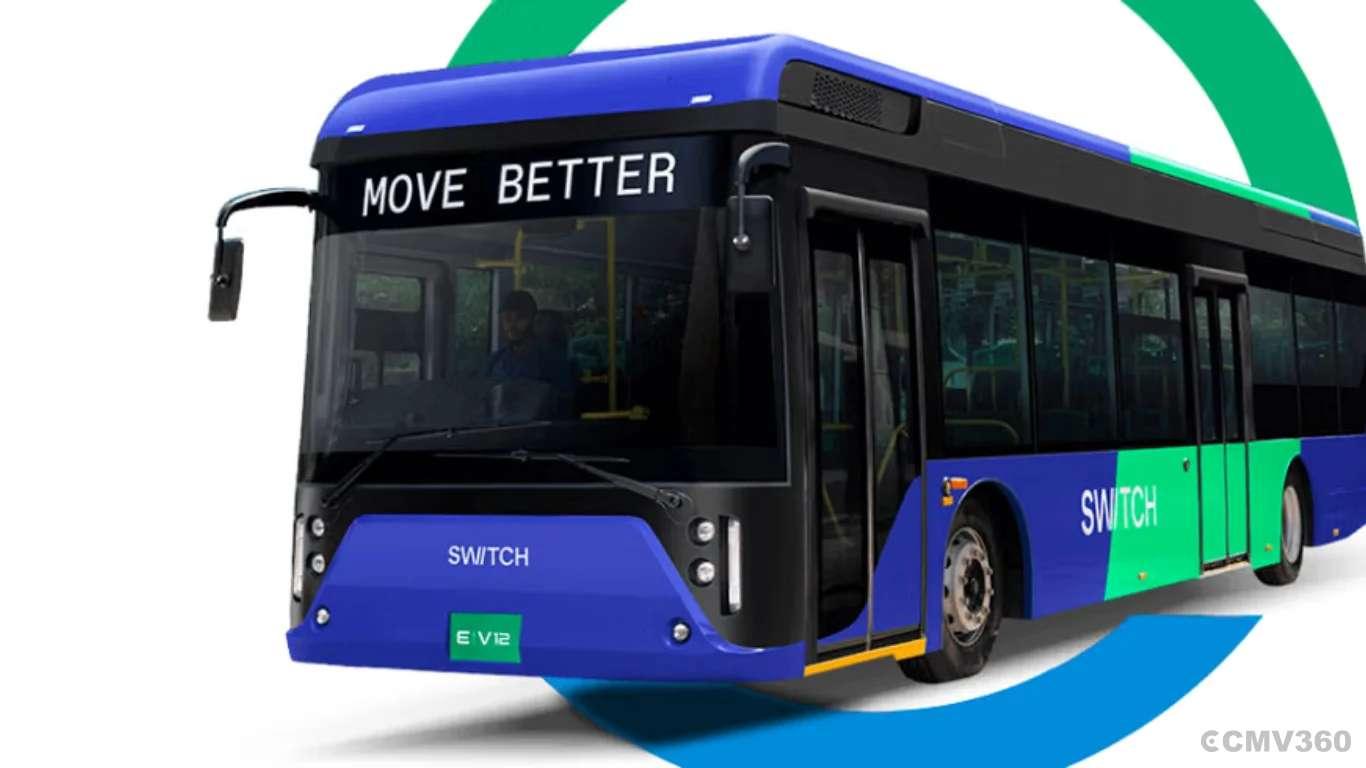
Demand for electric buses in India has grown due to falling battery costs, better charging infrastructure, and supportive policies. However, scaling fleet operations requires significant upfront investment in vehicles, depots, and technology systems. PMI Electro, the manufacturing partner, produces electric commercial vehicles and offers buses in 7-metre, 9-metre, and 12-metre sizes, as well as electric school buses. Over 3,000 PMI electric buses have been deployed in more than 30 cities across India.
KKR’s Climate Investment Track Record
KKR has invested over $44 billion in climate and environmental sustainability since 2010. The Global Climate Transition strategy, which backs this deal, targets opportunities in the energy transition. Previous investments include Zenobē in the UK, CleanPeak and HMC Capital’s Energy Transition Platform in Australia, EGC in Germany, Dawsongroup, Avantus in the US, and IGNIS P2X. The India investment expands the strategy’s reach into a fast-urbanising market with large public transport networks.
Neil Arora, KKR’s Asia Pacific Climate Transition head, highlighted India’s scale and decarbonisation goals as key factors. Aanchal Jain, CEO of PMI Electro and Director of Allfleet, said the investment reflects the potential of their integrated mobility platform and will help expand their presence in Indian cities.

Robin Kumar Attri is a content and video professional with 2.7 years of experience in the commercial vehicle d .....