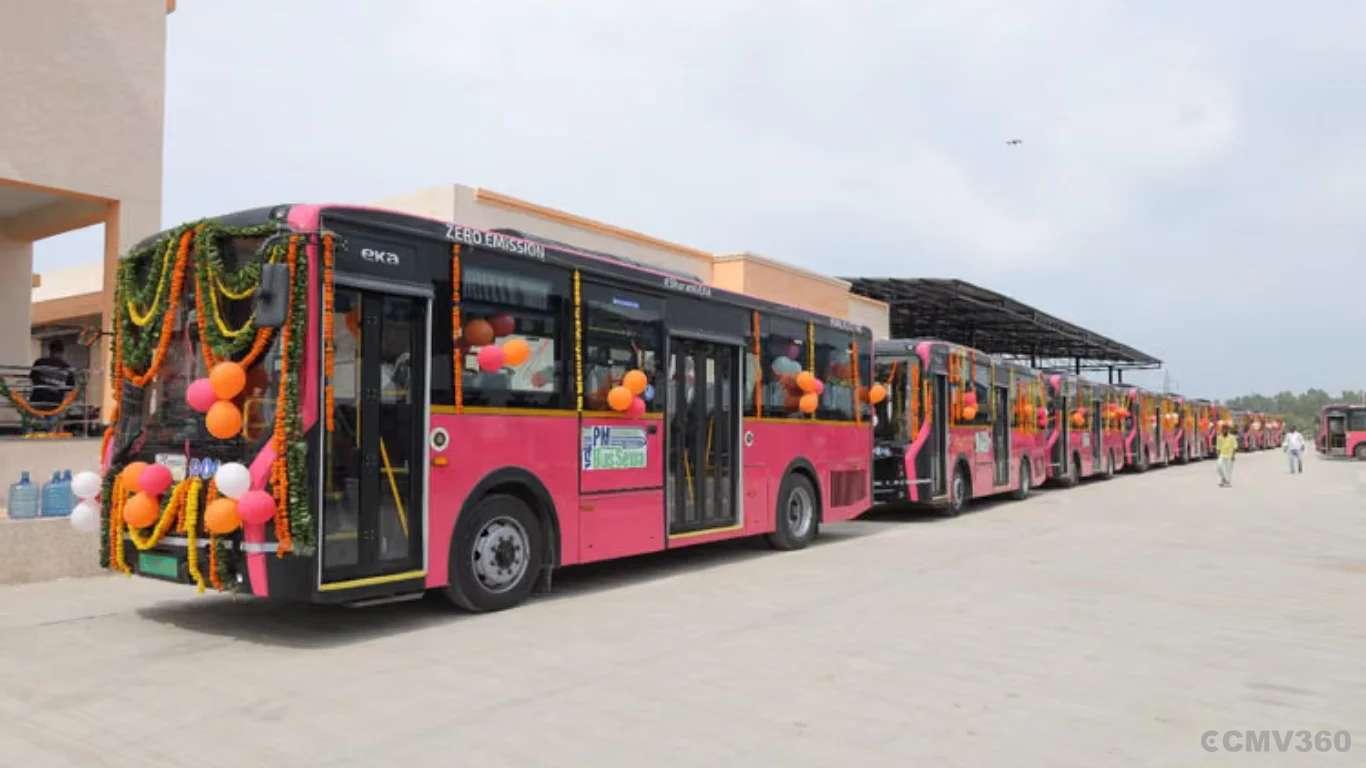
JBM and Hitachi ZeroCarbon Team Up for Smarter Electric Buses
 Add CMV360 on Google
The BatteryManager system will be installed in JBM’s electric buses to monitor battery data in real time. The new technology is designed to work effectively in different weather conditions across India and the Middle East.

By Priya Singh

Key Highlights:
- JBM Electric Vehicles has partnered with Hitachi ZeroCarbon.
- The system will provide real-time data on battery health and charging.
- The goal is to increase battery life, enhance fleet performance, and lower operational costs.
- JBM’s electric buses have already served over 1 billion passengers globally.
- India’s weather and clean transport push make it ideal for testing this battery technology.
JBM Electric Vehicles has announced a new partnership with Hitachi ZeroCarbon to upgrade its electric buses with smart battery technology. The collaboration aims to improve battery life and performance using Hitachi's BatteryManager system. This tie-up comes as India pushes for more electric public transport. The shift is part of a broader national plan to reduce pollution and move toward cleaner energy sources.
BatteryManager system for Smarter Buses
The BatteryManager system will be installed in JBM’s electric buses to monitor battery data in real time. This will help in tracking charging behaviour, improving bus routes, and managing how buses are used daily. The new technology is designed to work effectively in different weather conditions across India and the Middle East.
Why Battery Management is Important
One of the biggest challenges for electric vehicles in India is managing battery health. Maintaining good battery performance is essential with temperatures ranging from freezing to extreme heat in some areas. Better battery management can help buses run longer and cut down on repair and replacement costs.
Leadership Insights:
Ram Ramachander, CEO of Hitachi ZeroCarbon, called this deal a "landmark moment" for their BatteryManager tool. He said India’s varying weather makes it a perfect test case to show how their technology can support bus fleets across different regions.
Nishant Arya, Vice-Chairman and Managing Director of JBM Auto Ltd, said this move will help improve how batteries perform in extreme climates. He added that it will also help reduce overall costs for public transport operators and increase battery life, giving buses better resale value.
JBM’s Progress in Electric Mobility
JBM’s electric buses first hit the roads in 2018. Since then, they have covered over 150 million kilometers globally and served 1 billion passengers. The company also runs one of the largest electric bus factories outside China, with the capacity to make up to 20,000 buses each year.
About Hitachi
Hitachi has been in India since the 1930s. It now operates around 28 group companies in the country and employs over 39,000 people. Over the decades, the company has provided many types of technology to India, starting with products like table fans and steam engines.
Also Read: JBM Auto Limited Incorporated a Fully Owned New EV Subsidiary
CMV360 Says
Batteries are a critical part of electric vehicles, but India’s extreme weather, from cold to intense heat, can make them less efficient. Hitachi’s system helps optimise battery performance, ensuring buses can travel farther and last longer, which is key to making electric fleets cost-effective. This partnership could be a game-changer for electric bus operations in India. By combining JBM’s bus expertise with Hitachi’s battery tech, the two companies aim to set a new standard for electric buses in India and beyond.

Hi there! I'm Priya. From trucks to vans and everything in between, I'm here to provide you with up-to-date in .....