ICRA Forecasts 2-5% YoY Growth in Domestic Commercial Vehicle Volumes for Q4 FY2024
 Add CMV360 on Google
Explore ICRA's insights on Q4 FY2024's domestic commercial vehicle volumes, foreseeing a modest 2-5% YoY growth amidst challenges like the pre-election model code of conduct and paused infrastructural activities.

By Priya Singh
Key Highlights:
• ICRA: Modest 2-5% YoY growth.
• Long-term CV demand remains positive.
• LCV faces contraction amid competition.
• The M&HCV segment is projected to slow.
• The bus segment anticipates positive growth.
According to research by ICRA, a renowned credit rating agency, the domestic commercial vehicle (CV) industry expects a decrease in sales in the fourth quarter of fiscal year 2024 in anticipation of the upcoming General Elections and the resulting model code of conduct.
ICRA's analysis suggests that the volumes for the domestic CV industry are poised to remain muted in the near term due to the convergence of factors, including the base effect catching up and a perceived pause in infrastructural activities. The model code of conduct, typical ahead of elections, is likely to contribute to this temporary slowdown.
Estimating the trajectory, ICRA projects a modest year-on-year growth of 2-5% in volumes for fiscal year 2024. However, the agency anticipates a shift in the industry's momentum in the subsequent fiscal year, with a projected decline of 4-7% in volumes, marking a plateau in the sharp upcycle witnessed earlier.
Kinjal Shah, Vice President & Co-Group Head at ICRA Ratings, emphasized the agency's outlook on the long-term demand for CVs, highlighting the continued emphasis on infrastructure expenditure as outlined in the interim budget for fiscal year 2024-25.
Shah pointed to the sustained focus on private participation across sectors such as infrastructure, construction, defense, and manufacturing as key drivers supporting the CV industry's long-term prospects.
Furthermore, the development of new railway corridors is expected to enhance last-mile connectivity, presenting opportunities for growth within the CV sector.
Shah also acknowledged the transient moderation in economic activity across certain sectors, coinciding with the onset of the General Elections. However, ICRA maintains its positive stance on the industry's long-term trajectory despite the short-term challenges.
LCV Segment Faces Contraction
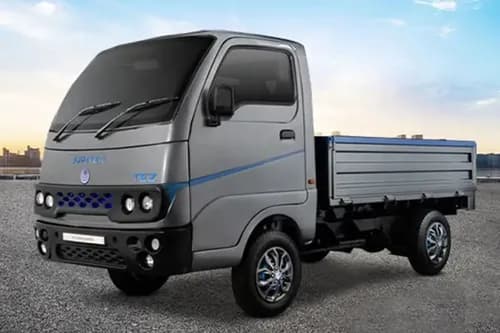
Previously witnessing robust growth, the light commercial vehicles (LCV) segment is now poised for a contraction. Following consecutive years of expansion, FY2024 is anticipated to decline 1-4%, with a sharper drop of 5-8% predicted for FY2025.
Factors contributing to this decline include the high base effect, competition from electric three-wheelers (e3Ws), and a slowdown in the e-commerce sector.
M&HCV Segment Projected to Slow Down
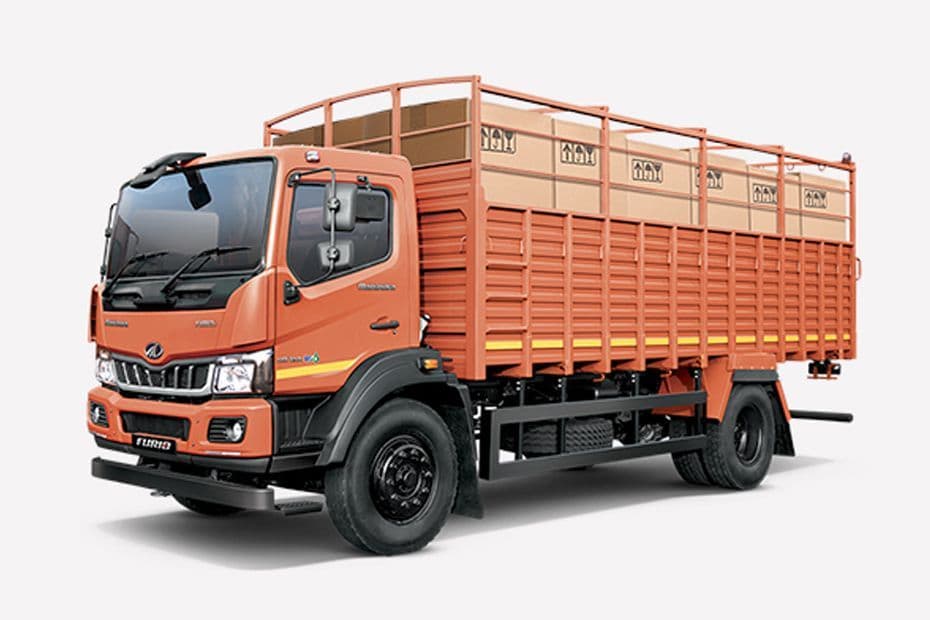
Medium and heavy commercial vehicles (M&HCV) are expected to experience a slowdown in volume growth for FY2024, projected at 3-6%. This decline is attributed to a muted rise in Q4 FY2024 due to the high base of the previous year.
Additionally, FY2025 is forecasted to see volumes decline by 4-7%, influenced by the moderation in the Government’s capital expenditure with the onset of General Elections.
Positive Trajectory for Bus Segment
The bus segment is set to register significant YoY volume growth of 18-21% in FY2024, primarily driven by the mandatory scrappage of older Government vehicles.
Nevertheless, there is an anticipation of growth moderating to 2-5% in FY2025 owing to the impact of a high base effect. Government initiatives aimed at enhancing payment security for electric bus operators are anticipated to accelerate the adoption of electric buses in the near term.
Profit Margins to Witness Fluctuations
Overall profit margins (OPM) for ICRA’s sample set companies are expected to improve by 150-200 bps to 9-10% in FY2024, benefiting from operating leverage and favorable commodity prices. However, OPM is projected to contract marginally in FY2025 to 8.5-9.5% due to lower volumes.
Outlook on Capacity Expansion and Credit Metrics
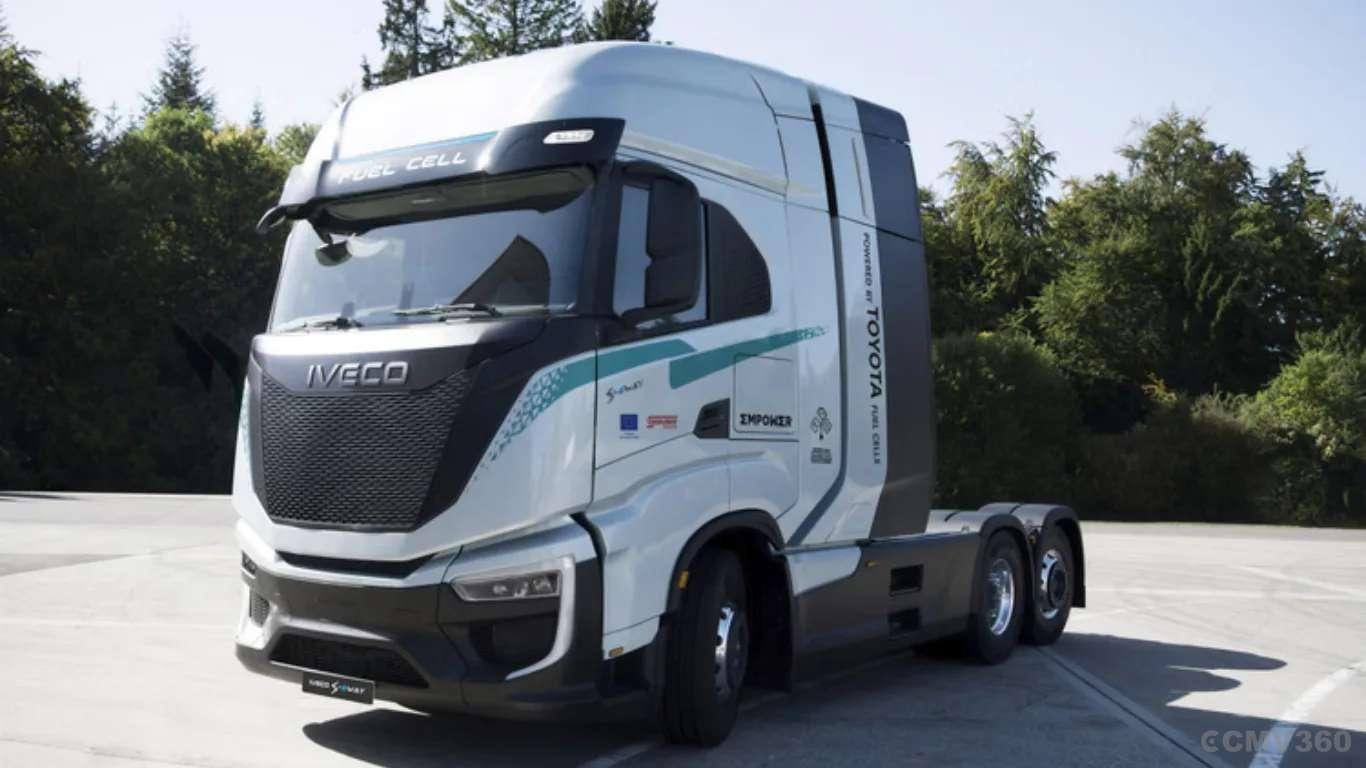
ICRA does not anticipate significant debt-funded capacity expansion-related capital expenditure from larger CV OEMs over the next two years. Instead, moderate capex is expected towards product development initiatives, particularly focused on electric and hydrogen fuel-powered drivetrains.
Improved profitability and lower debt levels are likely to lead to a marginal improvement in credit metrics for FY2024, with stability expected in FY2025.
CMV360 Says
ICRA projects a modest 2-5% YoY growth in domestic commercial vehicle volumes for Q4 FY2024 due to factors like the model code of conduct ahead of elections and a pause in infrastructural activities.
The long-term demand for CVs remains positive, supported by infrastructure expenditure and private participation. However, the LCV segment faces contraction amidst competition from electric three-wheelers and a slowdown in e-commerce, while the M&HCV segment is projected to slow down.
Positive growth is anticipated in the buses segment driven by scrappage policies, but profit margins may fluctuate due to varying factors, and capacity expansion is expected to be moderate with a focus on electric and hydrogen fuel-powered drivetrains.

Hi there! I'm Priya. From trucks to vans and everything in between, I'm here to provide you with up-to-date in .....