Tractors
Trucks
- Find by Budget
- Find by Type

English
 New Delhi
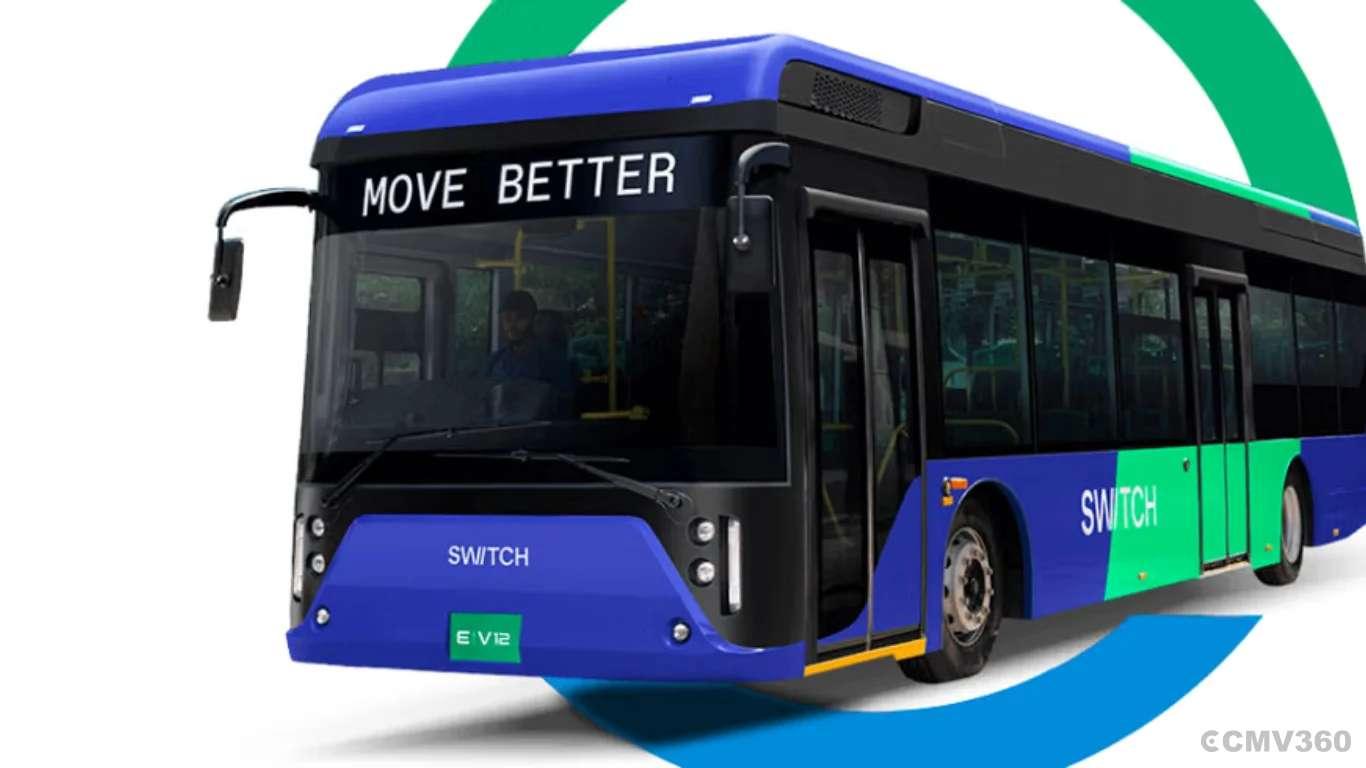
According to the report, the e-bus market in India is in the early stages of development with approximately 3,000 registered e-buses as of July. Nearly 7,000 orders of electric buses are pending, the report says.

By Jasvir
Electric bus market in India is expected to grow exponentially with expected numbers of e-buses reaching 41,566 units by the end of FY 2028. India has already registered 2,006 units of e-buses according to Vahan data.
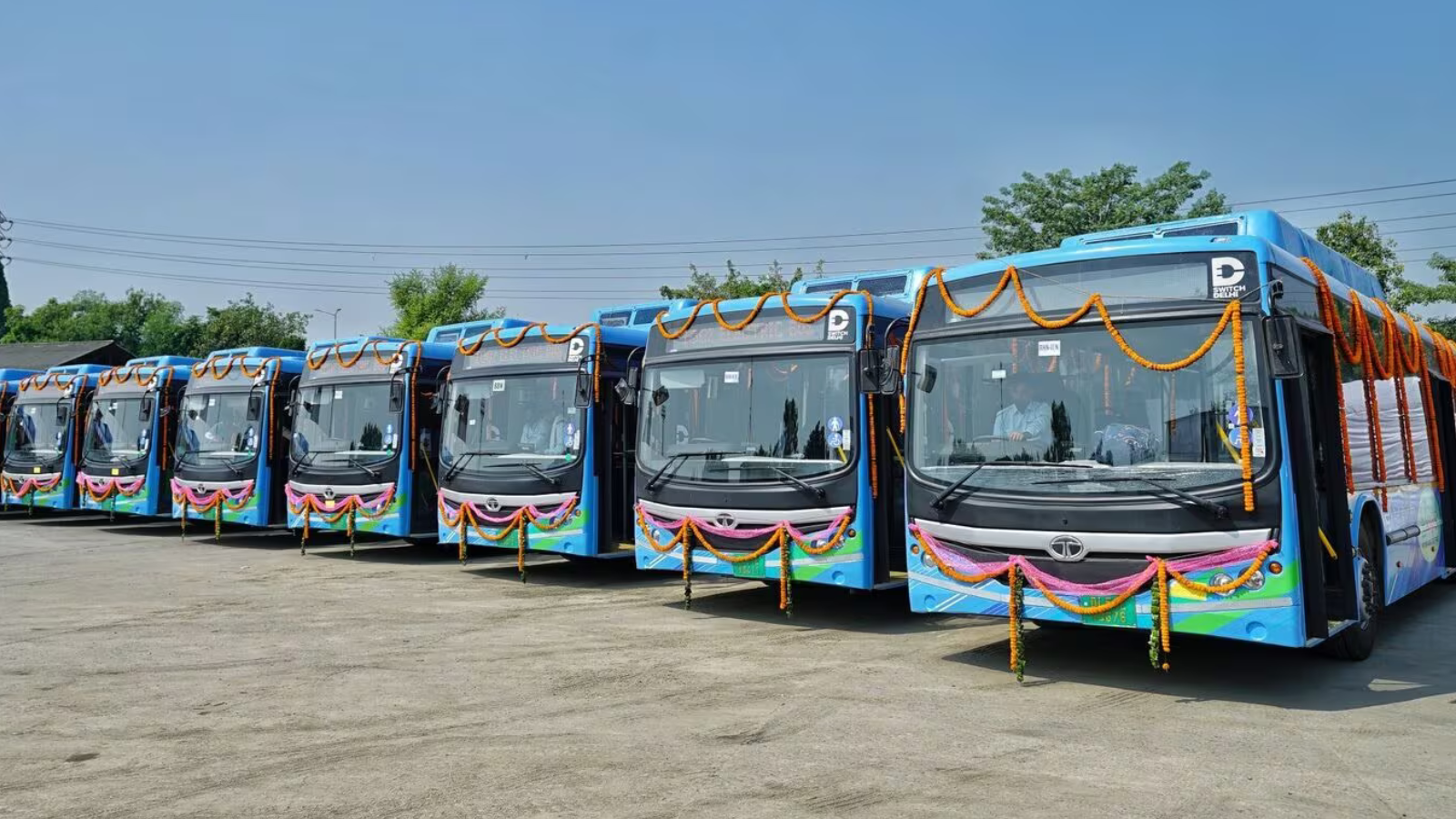
ResearchAndMarkets released a detailed report on the ‘Electric Bus Market in India 2023 - 2028’ revealing exponential growth in India’s electric bus sector by 2028. According to the research, in FY 2023 a total of 1,919 units of electric buses were sold in India and sales numbers are expected to reach a total of 41,566 units by FY 2028. This translates to a Compound Annual Growth Rate (CAGR) of ~ 89.21% from FY 2024 to FY 2028.
According to the report, the e-bus market in India is in the early stages of development with approximately 3,000 registered e-buses as of July. Nearly 7,000 orders of electric buses are pending, the report says.
Approximately 75% of these registrations are contributed by Maharashtra, Delhi, Uttar Pradesh and Gujarat. Additionally, penetration rates reached 15% in Uttar Pradesh, 12% in Karnataka and 8% in Maharashtra.
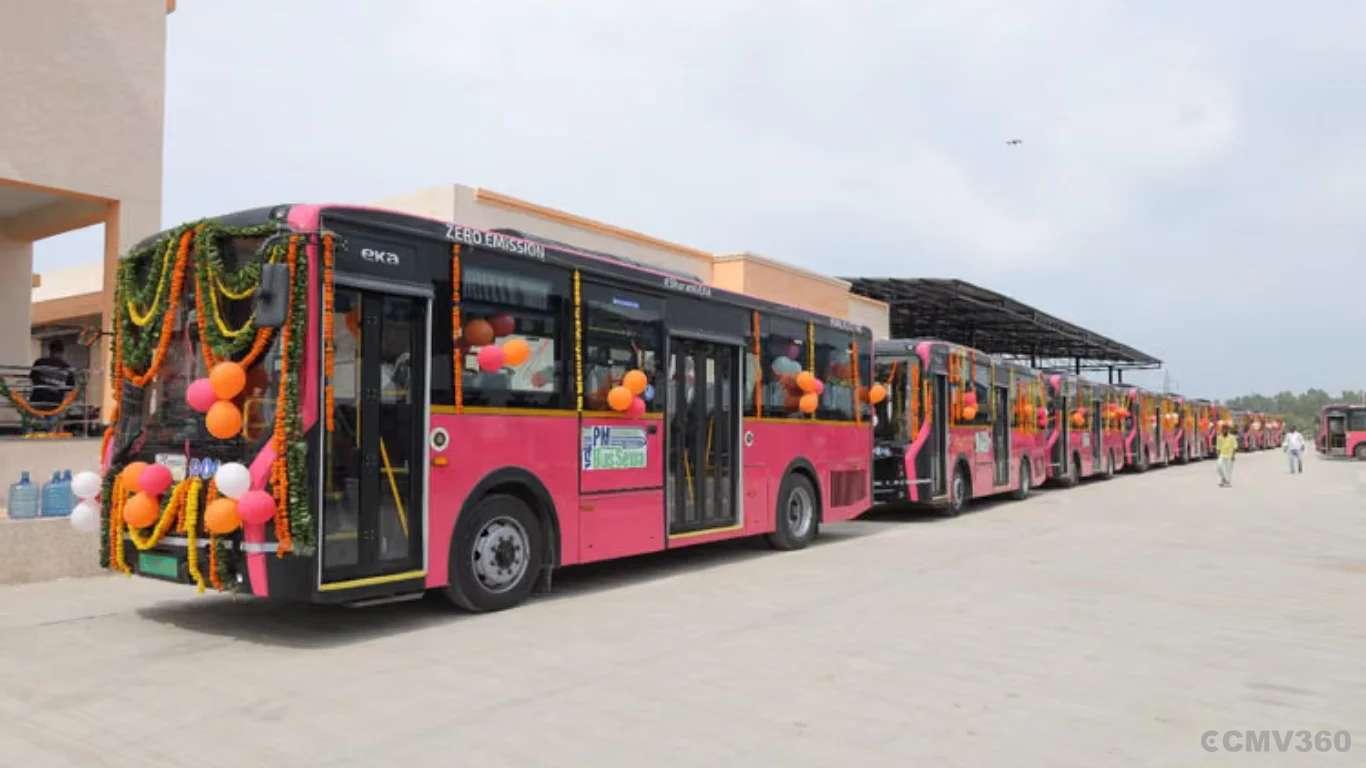
Also Read- EKA Mobility to deliver 50 e-buses to MBMC and UMC in Maharashtra over next few weeks
As of November 2023, the e-bus sales numbers have reached a total of 2,006 units according to data provided by Vahan.
The rapid growth of the e-bus market in India is the result of various factors such as standardisation initiatives, increased demand aggregation, advancements in product technology, and enhancements in charging infrastructure.
The surge in the e-bus market is also affected because of the various government initiatives and schemes to introduce and develop electric fleets in the country. Both the central and state governments are supporting eco-friendly mobility through schemes such as FAME II, PLI, reduced GST and road tax exemptions.
Original Equipment Manufacturers (OEMs) also play an important role in establishing an integrated electric vehicle ecosystem. The technological advancements in charging efficiency and an anticipated drop in prices of batteries (which constitute 40% of the overall vehicle cost) will further improve the chances of widespread adoption of e-buses in the country.
The state and city road transport corporations (STUs) alone present a potential to register 15,000 e-buses annually in India, the report said.


 Add CMV360 on Google