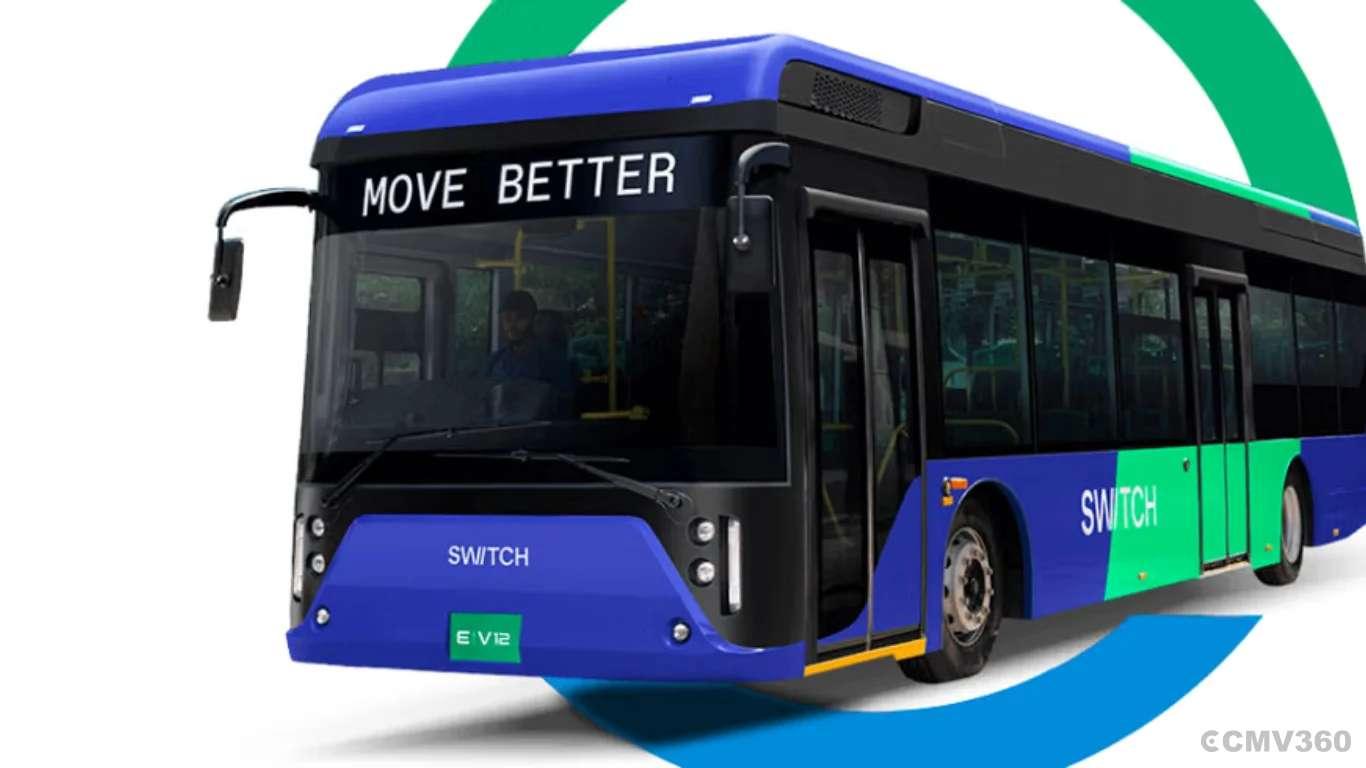
Electric Bus Demand in India Set to Surge in FY25
 Add CMV360 on Google
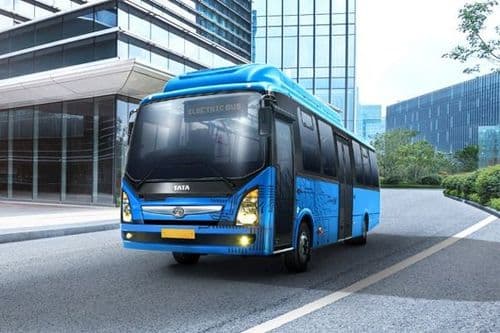
Demand for electric buses in India rises due to urbanization, eco-awareness, high diesel costs, tech advances, and better charging infrastructure.

By Priya Singh
Key Highlights:
- Demand for electric buses is expected to remain strong due to government initiatives and cleaner transport goals.
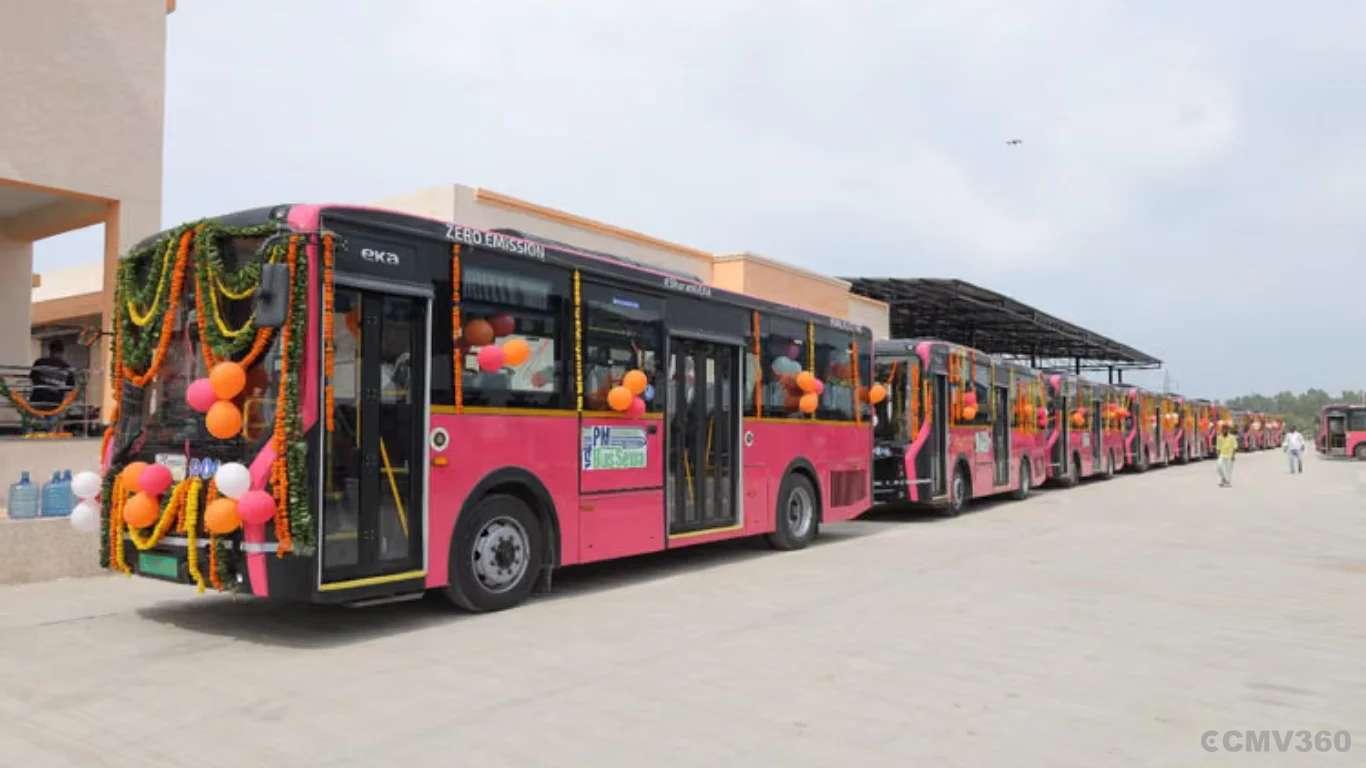
- The PM e-bus Sewa Scheme allocated $2.4 billion for 10,000 electric buses in 169 cities.
- Electric vehicle adoption grew significantly from FY21 to FY24.
- Electric bus registrations rose from 217 units in FY21 to 3,400 units in FY24.
- Urbanization, environmental awareness, high oil costs, and better technology drive electric bus growth.
According to a survey released, demand for electric buses is expected to continue high in the future years, owing to an increased emphasis on cleaner transportation systems and numerous government programs.
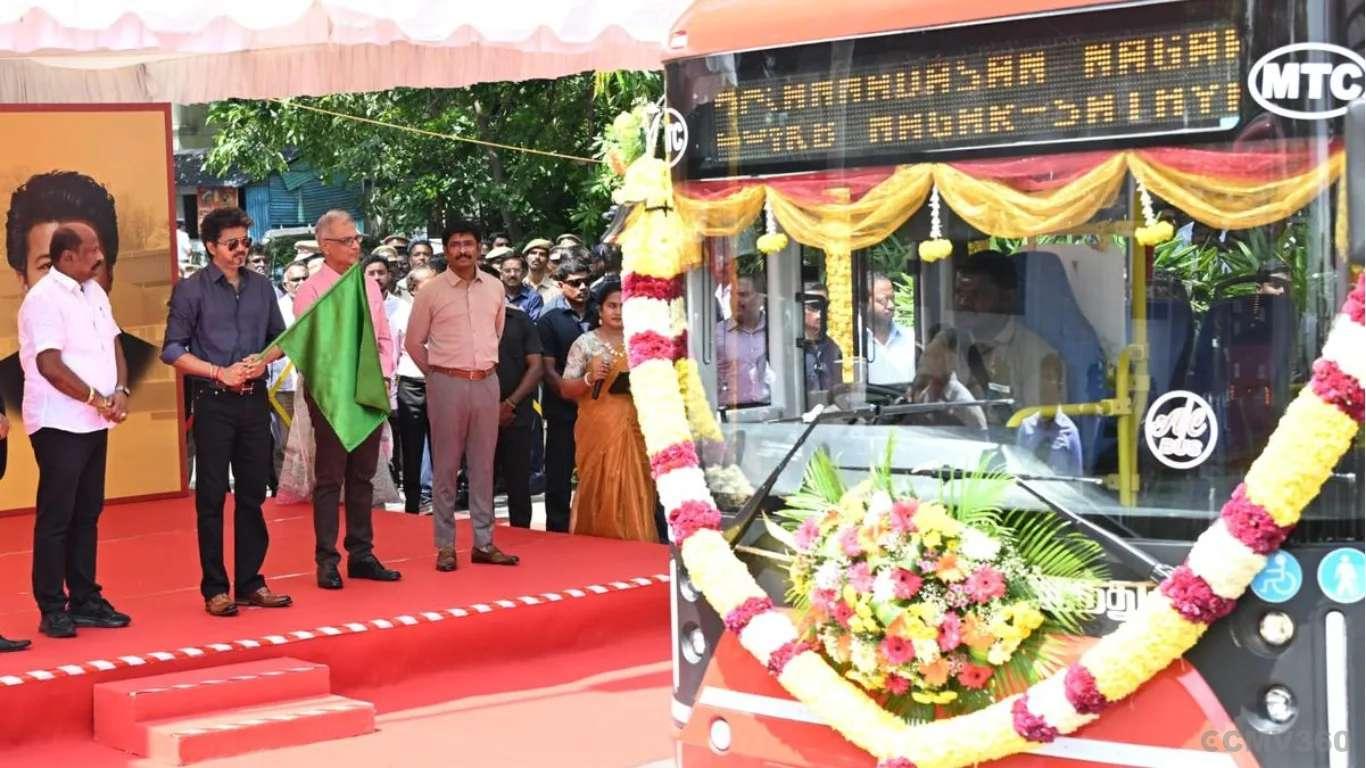
Last year, the government launched the PM e-bus Sewa Scheme, allocating $2.4 billion to deploy and operate 10,000 electric buses in 169 eligible cities via a public-private partnership model. These eco-friendly vehicles are set to begin operations in 2024, with full deployment projected in 2026.
According to CareEdge Ratings, the electric vehicle (EV) segment grew significantly between FY21 and FY24, while having a lesser share of overall commercial vehicle (CV) sales.
Key signs of this growth include higher adoption rates and a growing market share, which are assisted by the progressive expansion of EV infrastructure. Notably, this shift to EVs is most visible in the e-bus and light commercial vehicle (LCV) segments, according to the survey.
In FY24, registrations of electric heavy passenger vehicles (e-HPVs), particularly huge electric buses, increased dramatically. The number of registrations increased from 217 units in FY21 to 3,400 in FY24.
Similarly, registrations of electric light passenger vehicles (e-LPV) increased from 360 to almost 10,500 units during the same period, according to the data. The rising demand for electric buses in major Indian cities is likely to accelerate the expansion of commercial vehicles.
Demand for electric buses in India is increasing due to a number of factors, including rapid urbanization, which is driving the need for sustainable and eco-friendly public transportation systems, growing environmental consciousness, high oil import expenditures attributed to diesel vehicles, technological advancements, and improvements in battery charging infrastructure.
Furthermore, the Indian government has launched several initiatives to promote electric mobility, including the Faster Adoption and Manufacturing of Hybrid and Electric Vehicles (FAME) program and the National Electric Mobility Mission Plan (NEMMP).
Also Read: Electric Buses Sales Report June 2024: PMI Electro Mobility Emerges as Top Choice for E-Buses
CMV360 Says
The strong push for electric buses in India is a positive step towards sustainable urban transportation. Government initiatives and growing awareness about environmental issues are key drivers. Continued investment in infrastructure and technology will be essential to maintain this momentum and achieve widespread adoption of electric vehicles.

Hi there! I'm Priya. From trucks to vans and everything in between, I'm here to provide you with up-to-date in .....