Tractors
Trucks
- Find by Budget
- Find by Type

English
 New Delhi
Saving fuel while operating a tractor on your farm will not only save you money but also contribute to a more sustainable and eco-friendly farming practice. In this article, we'll share some tips on how to save fuel.

By Priya Singh
Tractors are the backbone of any farm, but they also consume a lot of fuel. In this article, we'll explore various strategies and techniques to help you save fuel while operating a tractor on your farm.
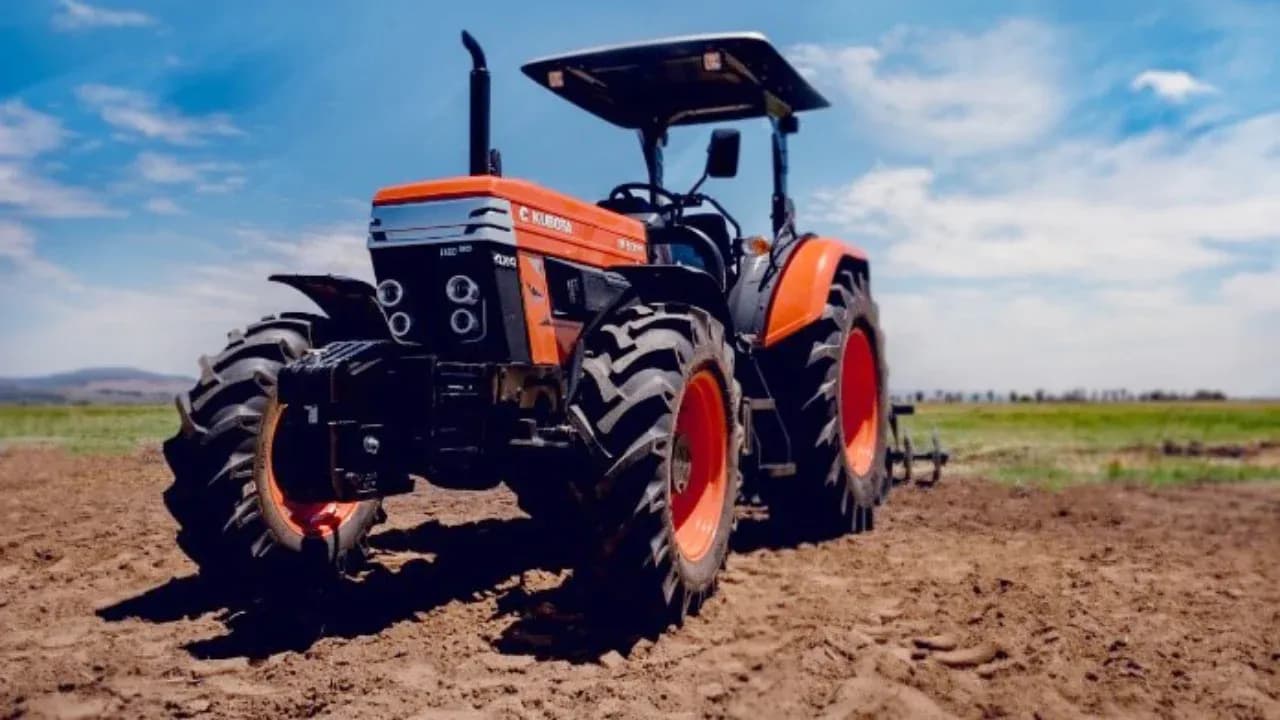
Tractors are the backbone of any farm, but they also consume a lot of fuel. Fuel is a major expense for farmers, particularly when using tractors and other heavy machinery on the farm. Finding strategies to cut or lower fuel consumption will save money and help the environment.
When operating on farms, tractors consume a lot of fuel. As a result, farmers can conserve fuel while running it on the farm. Farmers can conserve fuel by maintaining adequate tyre pressure, using the proper equipment, maintaining tractors on a regular basis, and avoiding high loads, among other things. Implementing fuel-saving techniques not only benefits the environment but also contributes to significant cost savings for farmers.
It is critical to look for ways to save fuel while operating a tractor. In this article, we'll explore various strategies and techniques to help you save fuel while operating a tractor on your farm.
Here are some suggestions for lowering your tractor's fuel use on your farm:
Choose the Best Routes
Planning the routes you take with the tractor can make a difference in fuel consumption. Plan your work and optimize the paths you will follow with the tractor before beginning any task. Avoid unnecessary travel or overlapping paths, which waste fuel. You can reduce the distance travelled and improve fuel efficiency by planning ahead of time.
Opt for the shortest and most efficient paths around your farm. Avoid rough terrains, if possible, as tractors consume more fuel when navigating uneven surfaces. By planning your routes, you can minimize fuel wastage and increase overall efficiency.
Also Read: Top 10 Swaraj tractors in India
Maintain Tire Pressure
Tractor tyres that are properly inflated prevent slippage, which can lead to increased fuel efficiency. Check and maintain the proper tyre pressure for your tractor on a regular basis. Tyres that are underinflated or overinflated will increase fuel consumption and early tyre wear.
The optimum tyre pressure should be determined by the travel speed and axle load. In the field, choose lower tyre pressure and on the road, choose higher pressure.
Lower field pressure reduces tractive power requirements, track depth, and soil compaction. Higher tyre pressure on the road, on the other hand, results in lower rolling resistance.
Use the Right Gear
'Gear up and throttle back' is a vital fuel-saving technique. Using the proper gear on your tractor has a big impact on fuel consumption. Using higher gears at lower speeds or lower gears at higher speeds can cause engine strain and increase fuel consumption. To maximize fuel efficiency, shift gears based on the load and topography.
It is useful when pulling a load that does not require more than 70% of the tractor's entire power. To maintain the desired speed, you must shift to a higher gear and slow the engine speed.
Service and Maintenance Regularly
One of the simplest yet most effective ways to save fuel is to ensure that your tractor is well-maintained. Regular maintenance, including oil changes, air filter replacements, and engine tune-ups, can significantly improve fuel efficiency. A well-maintained tractor operates smoothly, requiring less fuel to perform tasks efficiently.
It is critical to service and maintain your tractor on a regular basis to ensure peak performance and fuel efficiency. Keep the air filters clean, the engine oil changed on a regular basis, and all components in working condition. A well-maintained tractor runs more effectively and consumes less fuel.
Poor maintenance can result in less air in the fuel-air mixture. It is detectable by power outages and smoke. If you grease the gear and engine properly, you can reduce friction losses. In order to guarantee effective combustion and minimize power loss, fuel injectors must be serviced on a regular basis. If your exhaust is emitting black smoke, you have a problem.
Avoid heavy loads
Carrying extra weight can strain the engine and increase fuel consumption. Evaluate your load and avoid carrying more than is necessary. If possible, choose lighter instruments or equipment that is appropriate for the work at hand.
Reduce Idle Time
Reduce the amount of time your tractor sits idle. When you are not actively utilizing the engine, turn it off. Excessive idling costs fuel and reduces the engine's life. You can save a large amount of fuel in the long term by reducing idle time.
Make Use of High-Quality Products
Using high-quality fuel and lubricants in your tractor will help you save money and run more efficiently. Diesel fuel with less impurities burns more efficiently in the engine. Because more fuel energy is turned into power and less is wasted as exhaust fumes or unburned fuel, improved combustion leads to higher fuel efficiency.
Long-term maintenance expenditures can be reduced by using high-quality lubricants. Components that are well-lubricated undergo reduced wear and tear, resulting in fewer repairs and part replacements. This not only saves money but also cuts down on downtime.
Limit the Use of PTO
The power take-off (PTO) on tractors is a useful tool, but it can burn a large amount of gasoline when in operation. Be aware of when and how you spend PTO, particularly for jobs that may not necessitate it. Turning off the PTO whenever possible can help save fuel.
Fuel-efficient driving techniques
Drivers should be trained in fuel-efficient driving techniques. Tractor operators should be properly trained in fuel-efficient driving tactics. This includes strategies like smooth acceleration and deceleration, avoiding abrupt starts and stops, and maintaining constant speeds whenever possible.
Educating farm operators on fuel-saving methods can result in large fuel savings. Operating the tractor at an optimal speed can conserve fuel. Avoid unnecessary high speeds, especially when performing tasks that do not require them. Maintaining a steady and moderate speed reduces fuel consumption and prevents wear and tear on the engine.
Weather Considerations
Be aware of weather conditions. Cold weather can decrease fuel efficiency, so try to store your tractor indoors and use block heaters to warm the engine in the winter. Also, avoid operating in extremely hot weather, as it can put additional stress on the engine and decrease fuel efficiency.
Here are some more ways which will help you save fuel while driving a tractor on your farm:
Also Read: Top 10 Government Agriculture Initiatives For Farmers
Conclusion
Saving fuel while operating a tractor on your farm is not only financially advantageous but also contributes to a more sustainable and eco-friendly farming practice. Implementing the above-mentioned strategies, from proper maintenance to precision farming techniques, can help you reduce fuel consumption, lower operational costs, and increase the overall efficiency of your farming operations.
You can achieve significant fuel savings and contribute to a more sustainable farming operation by applying these suggestions and developing a fuel-efficient mindset among operators.

About the author
Hi there! I'm Priya. From trucks to vans and everything in between, I'm here to provide you with up-to-date information, expert analysis, and actionable insights. Let's navigate the world of commercial vehicles together!






 Add CMV360 on Google