Tractors
Trucks
- Find by Budget
- Find by Type

English
 New Delhi
Poultry farming is a significant source of animal protein for human consumption and plays a crucial role in addressing food security and nutritional needs around the world. Here's a step-by-step guide to help you start Your Profitable Poultry Farm.

By Priya Singh
Here's a step-by-step guide to help you start Your Profitable Poultry Farm. Poultry farming involves several costs, both initial and ongoing. These costs can vary based on factors such as the scale of your operation, location, production methods, and the type of poultry you're raising.
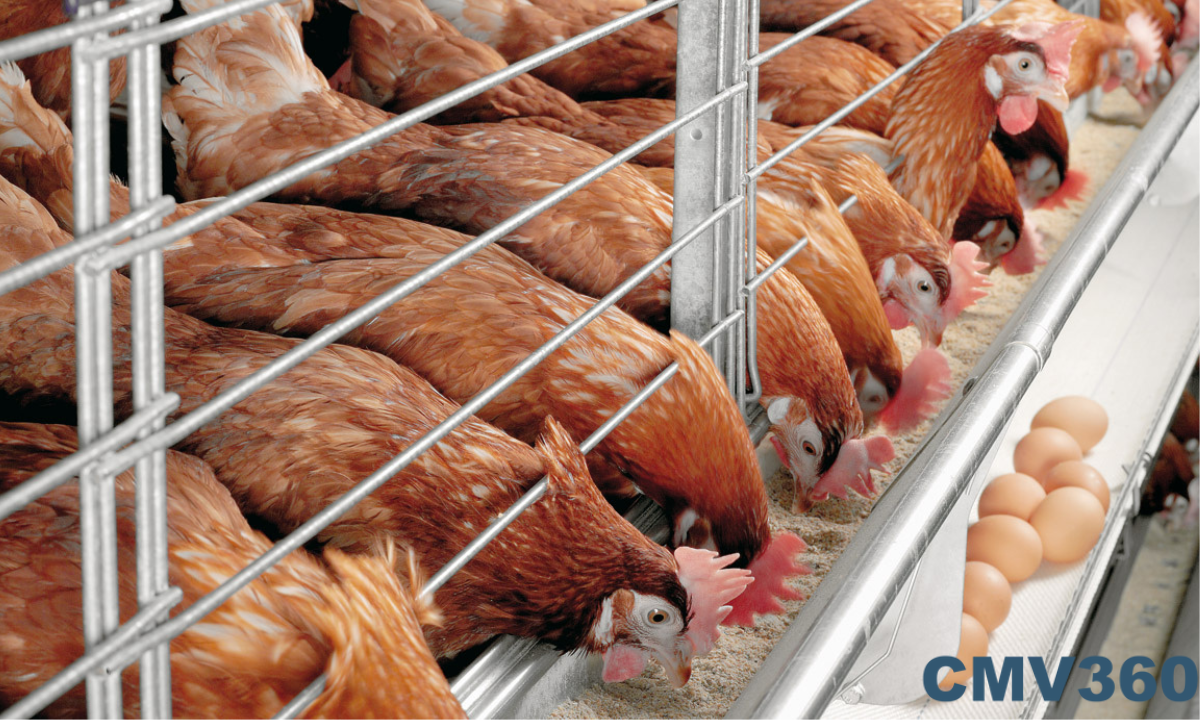
Poultry farming, the raising of chickens, ducks, turkeys, and other domesticated birds for their meat and eggs, has long been a cornerstone of agriculture around the world. It's a venture that holds great potential for individuals seeking to enter the agricultural sector or expand their existing operations.
However, like any business, success in poultry farming requires careful planning, dedication, and an understanding of the costs and potential profits involved.
These states have been known for their significant contribution to India's poultry industry in terms of production, processing, and distribution of poultry products.
Poultry farming refers to the practice of raising domesticated birds, typically chickens, ducks, turkeys, and geese, for the purpose of producing meat, eggs, and sometimes feathers. Poultry farming is a subset of animal husbandry and is an essential part of the agriculture and food industry.
Broiler Farming
This involves raising chickens specifically for meat production. Broiler chickens are bred to grow quickly and efficiently and convert feed into meat. They are typically raised in large enclosed facilities called broiler houses or sheds, where their environment can be controlled to optimize growth conditions.
Layer Farming
This focuses on raising hens for egg production. These hens are known as layers. They are kept in facilities designed to provide proper lighting, temperature, and nutrition to encourage consistent egg-laying.
Both types of poultry farming involve careful management of factors like feed quality, housing conditions, disease control, and biosecurity to ensure the health and well-being of the birds and the quality of the products they produce.
Poultry farming is a significant source of animal protein for human consumption and plays a crucial role in addressing food security and nutritional needs around the world. However, it also comes with challenges related to animal welfare, environmental impacts, and disease management, which require responsible and sustainable farming practices.
Also Read: From Beans to Brews: India's Top 10 Coffee-Producing States
Before diving into poultry farming, it's crucial to conduct thorough research and develop a comprehensive business plan. This plan should outline your goals, target market, production methods, and financial projections. Here's a step-by-step guide to help you get started:
Research and Education: Familiarize yourself with the different types of poultry, their breeds, and the specific requirements for raising them. Understand the various production methods, such as free-range, organic, or intensive farming.
Choose the Poultry Type: Decide whether you want to focus on broilers (meat production), layers (egg production), or both. Each type has its unique requirements and challenges.
Selecting Breeds: Choose poultry breeds that are well-suited for your climate, market demand, and production goals. Some breeds are known for their rapid growth, while others are renowned for their egg-laying capabilities.
Housing and Infrastructure: Construct suitable housing for your poultry. The housing should provide adequate ventilation, lighting, temperature control, and protection from predators. Ensure proper spacing to prevent overcrowding.
Feeding and Nutrition: Develop a balanced feeding regimen that meets the nutritional needs of your poultry. High-quality feed is essential for optimal growth, egg production, and overall health.
Healthcare and Biosecurity: Establish a healthcare program to prevent and manage diseases. Biosecurity measures should be implemented to reduce the risk of disease introduction and spread.
Marketing Strategy: Identify your target market, whether it's local consumers, wholesale buyers, or restaurants. Develop a marketing strategy to effectively promote and sell your poultry products.
Poultry farming involves several costs, both initial and ongoing. These costs can vary based on factors such as the scale of your operation, location, production methods, and the type of poultry you're raising. Here are some key expenses to consider:
Infrastructure: Building poultry houses, feed storage facilities, and equipment like feeders and waterers require a significant initial investment.
Poultry Purchase: The cost of purchasing day-old chicks, hatching eggs, or mature birds constitutes a substantial portion of your expenses.
Feed Costs: Feeding constitutes a major ongoing expense. The type of feed and the efficiency of your feeding program can influence this cost.
Labor: Labor costs include salaries for workers responsible for tasks such as feeding, cleaning, and monitoring poultry health.
Healthcare and Medications: Regular vaccinations, health check-ups, and disease prevention measures are essential for maintaining the well-being of your flock.
Utilities: Expenses for electricity, water, and heating or cooling systems can contribute significantly to your operating costs.
Marketing and Transportation: Costs related to promoting your products and delivering them to customers must be factored in.
The profitability of poultry farming can be attractive, but success isn't guaranteed. It depends on various factors, including market demand, production efficiency, and cost management. Here are some strategies to enhance your profit potential:
Efficient Production: Implement best practices for feeding, housing, and healthcare to ensure optimal growth and productivity.
Economies of Scale: As your operation grows, you may benefit from economies of scale, which can lower production costs.
Market Research: Stay attuned to market trends and consumer preferences. This knowledge will enable you to adjust your production and marketing strategies accordingly.
Value-Added Products: Consider diversifying your products by offering value-added items such as processed poultry products (e.g., sausages, marinated cuts) or specialty eggs (e.g., organic, free-range).
Direct Sales: Selling directly to consumers through farmers' markets, community-supported agriculture (CSA) programs, or online platforms can help you capture a larger portion of the final retail price.
Risk Management: Be prepared for potential setbacks, such as disease outbreaks or market fluctuations. Having contingency plans in place can mitigate financial risks.
Record Keeping: Maintain accurate records of your expenses, production data, and sales. This information will help you analyze your business's financial performance and make informed decisions.
Also Read: Best 5 Sonalika Tractor Models in India
Conclusion
In conclusion, poultry farming can be a profitable venture for those who approach it with careful planning, dedication, and a willingness to adapt to changing circumstances. While there are costs involved, effective management, proper planning, and a strong understanding of market dynamics can contribute to a successful and sustainable poultry farming business.
As with any agricultural endeavor, continuous learning and a commitment to excellence will be key to reaping the rewards of your efforts in the world of poultry farming.

About the author
Hi there! I'm Priya. From trucks to vans and everything in between, I'm here to provide you with up-to-date information, expert analysis, and actionable insights. Let's navigate the world of commercial vehicles together!







 Add CMV360 on Google