Tractors
Trucks
- Find by Budget
- Find by Type

English
 New Delhi
Protecting crops from frost is crucial for ensuring a successful harvest and maintaining food security. This article discusses various effective techniques to protect crops from frost damage during the winter months.

By Priya Singh
As the air turns colder, farmers face the challenge of winter frost, an alarming situation that can affect crop productivity. The threat of frost damage looms large, with many regions around the world experiencing significant losses due to plummeting temperatures.
To mitigate these risks and safeguard against the detrimental effects of frost, farmers must proactively prepare their fields to protect sensitive crops during anticipated freeze warnings.
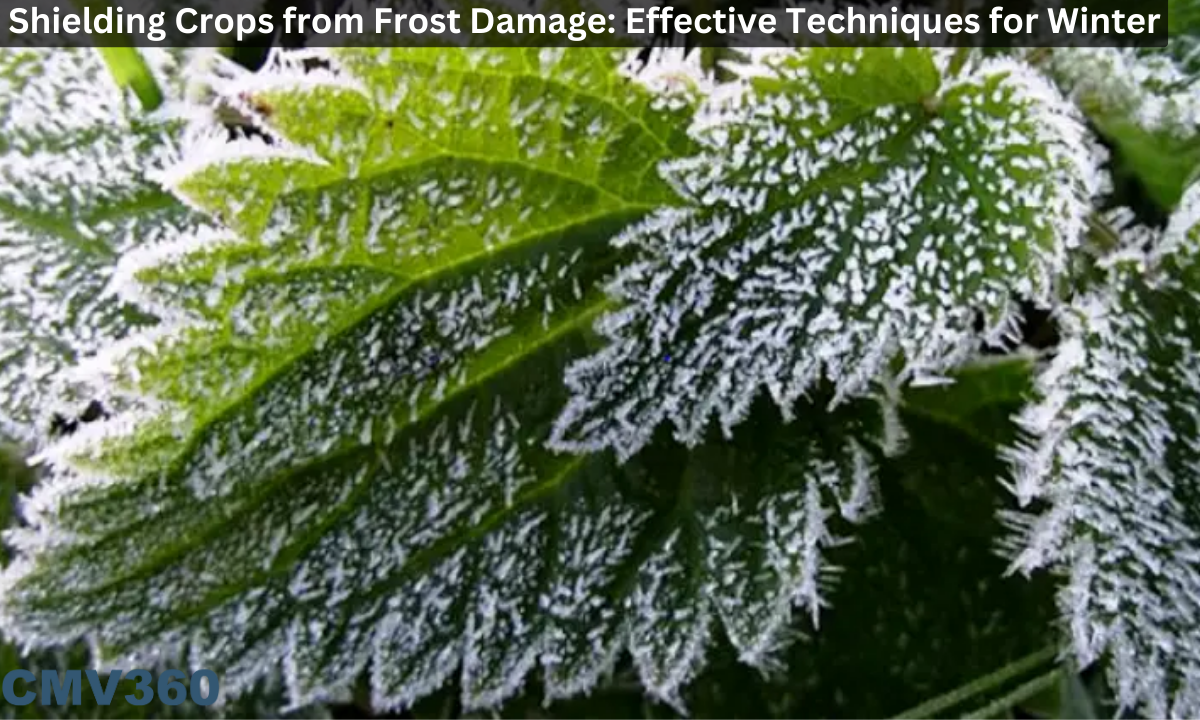
Winter frost poses a severe challenge to agriculture, particularly to frost-sensitive crops. When temperatures drop below freezing, the formation of ice crystals on plant surfaces can lead to cellular damage, disrupting vital processes such as water transport and photosynthesis.
In regions where frost is a common occurrence, farmers often struggle with the economic and logistical repercussions of diminished crop yields. Winter brings with it the threat of frost, posing a significant risk to crops and agriculture in India. Frost damage occurs when temperatures drop low enough to freeze plant tissues, leading to cellular damage and, in severe cases, crop loss.
Protecting crops from frost is crucial for ensuring a successful harvest and maintaining food security. This article discusses various effective techniques to protect crops from frost damage during the winter months.
Frost occurs when the air temperature drops below the freezing point, causing ice crystals to form on plant surfaces. This ice formation can damage plant cells, disrupt water transport, and lead to tissue death. The severity of frost damage depends on factors such as the duration of freezing temperatures, humidity levels, and the type of crops involved.
Frost damage refers to the harm caused to plants, crops, or other vegetation as a result of exposure to freezing temperatures. It occurs when the air temperature drops below the freezing point (0 degrees Celsius or 32 degrees Fahrenheit), leading to the formation of ice crystals on the surfaces of plant tissues.
This freezing process can have detrimental effects on the cellular structure of plants, disrupting their physiological processes and causing visible damage. The severity of frost damage depends on several factors, including the duration of exposure to freezing temperatures, the intensity of the cold, and the susceptibility of the plant species involved.
Frost damage is a significant concern for farmers, gardeners, and anyone involved in agriculture, as it can lead to reduced crop yields, economic losses, and even the loss of entire harvests.
Also Read: Top 5 Vegetable Farming In December For Higher Yield & Profits
Frost can be a major threat to crops during winter, causing significant damage to the plants. Here are some effective techniques to shield crops from frost damage:
Choose the right location
Plant your crops in a southern-facing location on a slope to harness the sun’s heat and energy. Cool, dense air can drain away from crops that grow on a hill or above cold air. By planting your crops southern-facing, moist soil will attract and trap heat from the sun. With radiant stored energy, soil can repel cold air, preventing crop frost.
Choose planting sites with good air drainage to minimize the risk of cold air settling. Utilize the natural landscape to create microclimates that offer protection from frost. Avoid low-lying areas where cold air can accumulate, opting for elevated locations when possible.
Plan for your climate
Identify your crop frost zones yearly to help plan. Frost can result in lower crop production. By identifying frost zones, you can use various strategies like irrigation to prepare soil and crops for colder days. Various regions provide yearly frost risk maps showing record-breaking cold temperatures throughout history.
Row Covers and Blankets
Install row covers or frost blankets over crops to create a barrier against cold temperatures. These materials trap heat radiated from the soil, providing a few degrees of protection and preventing frost formation on plant surfaces.
Ensure proper installation, leaving enough space for plant growth while still maintaining a secure cover. Airflow can help prevent frost from settling on crops. Use fans or wind machines to create airflow and prevent frost from settling on crops.
Cover vulnerable crops
Covering crops with blankets or other materials can help protect them from frost damage. Be sure to remove the coverings during the day to allow sunlight to reach the plants.
Implement overhead irrigation during frost-prone nights. The process of water freezing releases latent heat, which can help raise the temperature around crops, protecting them from frost damage. Begin irrigation before the expected frost period and continue until temperatures rise above freezing.
Watering the soil early in the season can help ensure that it has enough moisture to retain heat and repel cold air. Overwatering your soil will not increase the energy and heat that soil stores.
https://www.youtube.com/watch?v=z7uJ3TCKkJA
Mulching
Apply a layer of organic mulch around the base of plants to insulate the soil and retain heat. Mulching helps prevent rapid temperature fluctuations, reducing the risk of frost damage to crops. Use materials such as straw, hay, or shredded leaves for effective insulation.
Use moisture-sealant sprays
Moisture-sealant sprays can help protect crops from frost damage by sealing in moisture and preventing frost from forming on the plants. Plant windbreaks, such as trees or shrubs, to shield crops from cold winds that can reduce frost damage.
Windbreaks create a barrier that reduces heat loss from plants and helps maintain a stable microclimate. Winter-hardy vegetables like kale, spinach, and collard greens can withstand frost and cold temperatures.
Heating Systems
Install heating systems like propane or electric heaters in greenhouses or high-tunnel structures. These systems provide controlled warmth during cold nights, preventing frost damage to crops within the protected environment.
Choose frost-resistant or cold-tolerant crop varieties for winter planting. Some plants naturally have mechanisms to withstand cold temperatures and are better suited for winter cultivation.
By following these techniques, you can protect your crops from frost damage and ensure a successful harvest. From monitoring weather forecasts to implementing practical strategies like row covers, mulching, irrigation, and windbreaks, there are numerous ways to shield crops from the damaging effects of winter frost.
Also Read: Top 10 Practiced Tips to Avoid Frost Damage and Losses
Conclusion
Protecting crops from frost damage is a critical aspect of winter agriculture. Implementing a combination of techniques, including site selection, row covers, irrigation, mulching, windbreaks, and heating systems, can significantly reduce the risk of frost damage and help ensure a successful winter harvest.
By understanding the principles behind these methods and customizing them to specific crop needs, farmers can mitigate the impact of frost and promote resilient and sustainable agriculture during the winter months.

About the author
Hi there! I'm Priya. From trucks to vans and everything in between, I'm here to provide you with up-to-date information, expert analysis, and actionable insights. Let's navigate the world of commercial vehicles together!







 Add CMV360 on Google