Tractors
Trucks
- Find by Budget
- Find by Type

English
 New Delhi
Frost damage, also known as freeze damage, is a phenomenon that occurs when plants, crops, vegetables, or other materials are exposed to freezing temperatures, resulting in physical harm. In this article, we have mentioned the Top 10 Practiced Tips to Avo

By Priya Singh
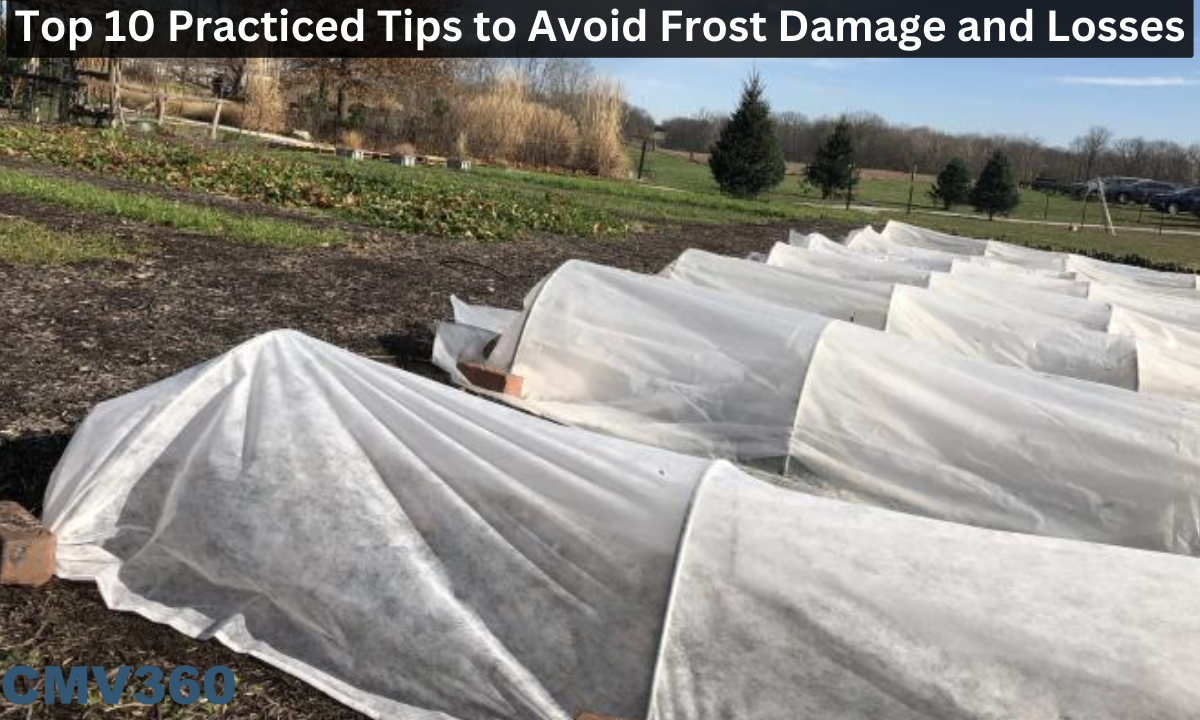
As winter approaches, gardeners and farmers will face the challenge of protecting plants from frost damage. Frost may cause damage to delicate plants, causing lasting damage to delicate leaves and affecting the overall health of the garden.
Frost damage, also known as freeze damage, is a phenomenon that occurs when plants, crops, vegetables, or other materials are exposed to freezing temperatures, resulting in physical harm. The fundamental cause of frost damage lies in the freezing of water content within cells, leading to the expansion and rupture of cell walls, thereby causing tissue damage.
Temperature: Frost damage occurs when temperatures drop below freezing (0°C or 32°F). The extent of the damage is influenced by the duration of sub-freezing temperatures and the lowest temperature reached.
Moisture: High levels of moisture in the air or on the surfaces of plants or materials increase the risk of frost damage. Moisture freezes at higher temperatures than dry air, increasing the potential for damage.
Wind: Frost damage is accelerated by the evaporation of water from plant surfaces. Due to this, coolness and cold increase rapidly, which intensifies the effect of cold temperatures.
Location: Some geographical features, such as low-lying areas or poorly drained areas, are more susceptible to frost damage. Cold air settles in these areas, increasing the risk of exposure to cold temperatures.
Plant or Material Type: Different plants and materials exhibit different levels of tolerance to cold temperatures. Some are more resilient, while others are more open to frost damage.
The symptoms of frost damage can manifest differently depending on the severity of exposure and the type of plant or material affected. Common symptoms in plants include:
In crops, frost damage can result in reduced yields, lower-quality produce, or even complete crop failure. It's essential to note that some symptoms may not appear immediately after exposure to freezing temperatures, and in certain cases, it may take several days for the damage to become apparent.
Additionally, the ability of plants to recover from frost damage varies, with some exhibiting resilience to mild harm, while others may suffer irreversible damage. Adequate measures such as frost protection methods or selecting frost-resistant plant varieties can help mitigate the impact of freezing temperatures on plants and crops.
Also Read: Banana Farming In India: A Comprehensive Guide To Banana Farm, Plantation, And Varieties
Frost damage can have varying effects on different crops, with some vegetables thriving in colder temperatures. Understanding the critical temperatures at which frost damage occurs is essential for farmers and gardeners.
Frost typically occurs when temperatures drop below freezing, causing ice crystals to form on plant surfaces. The severity of damage depends on the duration of exposure and the specific temperature range. We have mentioned the temperature range that can cause frost damage:
Light Frost (32-28°F or 0-2°C)
Moderate Frost (28-24°F or -2 to -4°C)
Severe Frost/Freeze (Below 24°F or -4°C)
Soil Temperatures (Below 40°F or 4°C)
Crops with Frost Tolerance
Factors such as topography, wind patterns, and the presence of frost pockets can influence the temperature variations experienced by different crops.
Farmers and gardeners should carefully consider the frost tolerance of specific crops and employ protective measures when necessary to minimize the risk of damage.
To ensure the well-being of your plants during chilly nights, here are the top 10 tips to help you avoid frost damage and losses.
https://www.youtube.com/watch?v=HphMRo569Ps&t=6s
Monitor Weather Conditions
Stay alert about weather forecasts, especially during the colder months. Keep an eye on temperatures, and when frost is predicted, take proactive measures to protect your plants.
Cover Plants
When frost is imminent, cover your plants with blankets, or specialized frost cloth. These coverings act as a barrier, shielding plants from the freezing temperatures. Remember to remove the covers during the day to allow sunlight and air circulation.
Water Plants
Thoroughly water your plants before an expected frost. Moist soil retains heat better than dry soil, providing an additional layer of protection for plant roots. Ensure that the soil is adequately hydrated but not waterlogged.
Mulch
Apply a layer of mulch around the base of your plants to insulate the soil. Mulch helps regulate soil temperature, preventing rapid temperature fluctuations that can be harmful to plant roots. It also acts as a protective barrier against frost.
Choose Frost-Tolerant Plants
Opt for plant varieties that are naturally more resistant to frost and cold temperatures. Cold-hardy vegetables like kale, spinach, and collard greens are excellent choices for winter gardening.
Plant in Raised Beds
Raised beds offer better drainage and tend to warm up more quickly than flat ground. Planting in raised beds can create a microclimate that protects plants from frost damage by improving soil drainage and minimizing exposure to cold ground temperatures.
Use Windbreaks
Install windbreaks such as fences, walls, or hedges to shield your garden from cold winds. Windbreaks create a barrier that reduces the impact of freezing winds on your plants, helping to maintain a more stable and protective environment.
Use Heaters
Consider using heaters, such as propane heaters or electric heaters, to provide additional warmth during frosty nights. Ensure you follow the manufacturer's instructions and safety guidelines to prevent any accidents or damage.
Harvest Crops
If a frost is anticipated, harvest crops before the temperature drops. While some crops, like carrots, garlic, and kale, can withstand light frost, others may be damaged or destroyed. Harvesting in advance helps preserve the quality of your produce.
Prune Damaged Plants
If your plants do experience frost damage, promptly prune the affected areas back to healthy tissue. This encourages new growth and prevents the spread of diseases that might take advantage of weakened plants.
Also Read: Top 5 Vegetable Farming In December For Higher Yield & Profits
Conclusion
By implementing these top 10 tips, farmers can protect their gardens and farms against frost damage and ensure the health and vitality of their plants throughout the winter months. Taking these measures and staying alert about weather conditions is key to maintaining a thriving garden or farm despite the challenges posed by frost.

About the author
Hi there! I'm Priya. From trucks to vans and everything in between, I'm here to provide you with up-to-date information, expert analysis, and actionable insights. Let's navigate the world of commercial vehicles together!





 Add CMV360 on Google