Tata Motors Focuses on Multi-Fuel Strategy: Diesel, EVs, Hydrogen, and LNG for Transport
 Add CMV360 on Google
Even with the shift towards cleaner energy, Petkar emphasized that diesel is still essential because of its reliability and efficiency.

By Priya Singh

Key Highlights:
- Tata Motors is adopting a tailored approach for different vehicle segments, using diesel, BEVs, LNG, and hydrogen technologies.
- Diesel will remain the main fuel for commercial transport due to its reliability and efficiency.
- Battery electric vehicles (BEVs) are the preferred choice for urban and last-mile mobility.
- Hydrogen technology is seen as the solution for heavy commercial vehicles like long-haul trucks.
- Tata Motors advocates for policies to support EV growth, including stable pricing and local manufacturing incentives.
Tata Motors is planning its shift to new powertrains, making sure each vehicle segment gets the right technology. Speaking at the Autocar Professional Future Powertrain Conclave in Chennai, Rajendra Petkar, President and Chief Technology Officer at Tata Motors, highlighted that while electric and hydrogen vehicles are becoming more popular, diesel will still be the main fuel in India’s commercial vehicle market for now.
Tata Motors is taking an approach to decarbonization by using different powertrains for different transport needs.
- Diesel will remain the core fuel for commercial transport.
- Hydrogen fuel cells and Hydrogen Internal Combustion Engines (H2-ICE) will be the future solution for heavy commercial vehicles.
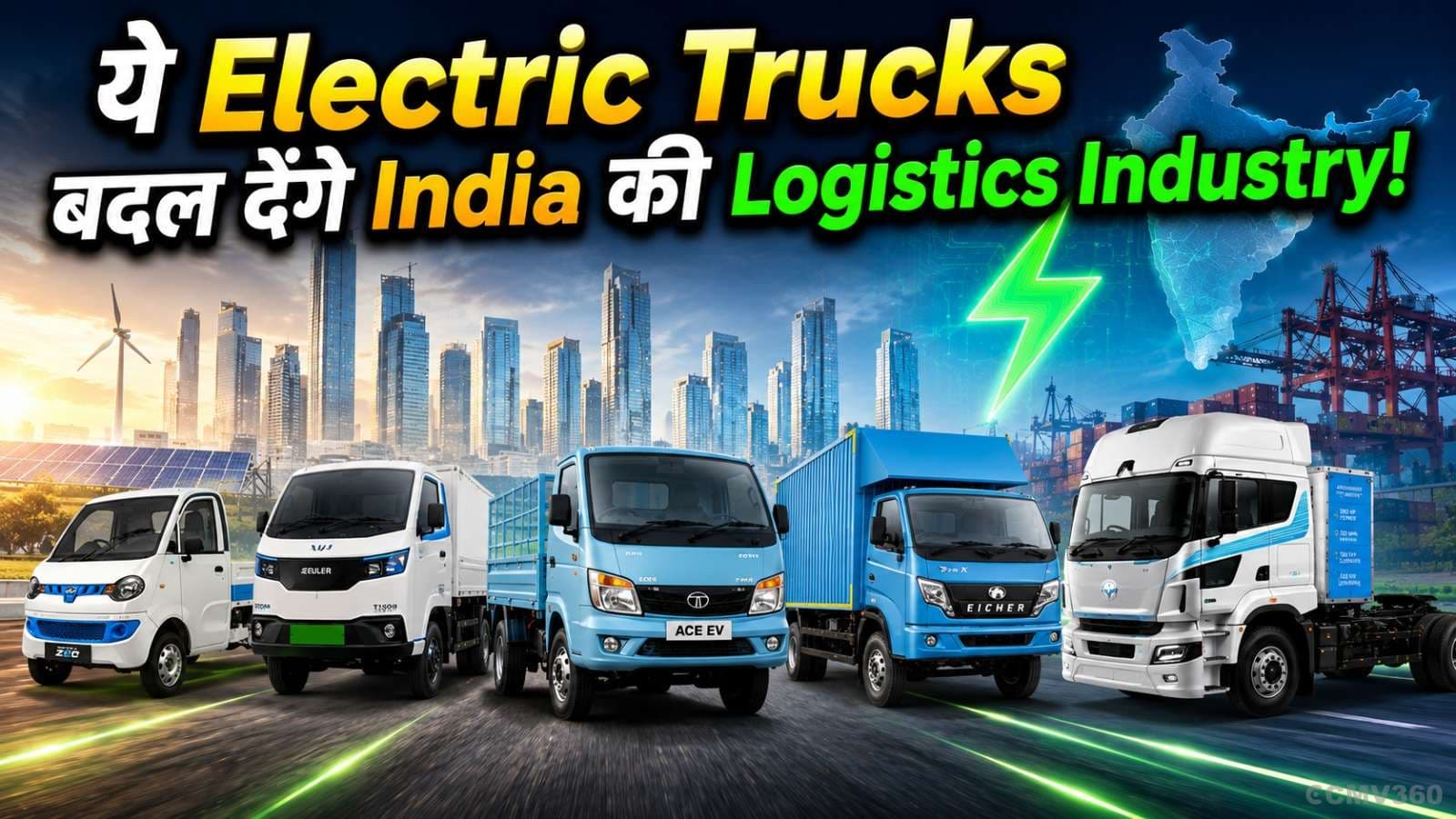
- Battery Electric Vehicles (BEVs) will dominate passenger and last-mile mobility.
- Liquefied Natural Gas (LNG) will act as a transition fuel for long-haul trucks.
- A mix of CNG, LNG, and electric powertrains will be used for intermediate vehicles and public transport.
Diesel will still be the main fuel in India’s commercial vehicle market
Even with the shift towards cleaner energy, Petkar emphasized that diesel is still essential because of its reliability and efficiency. He pointed out that emission regulations will lead to improvements in diesel technology, making it more environmentally friendly over time. For urban and last-mile mobility, battery electric vehicles (BEVs) are the preferred choice. Petkar highlighted Tata Motors’ dedication to BEV technology and urged the government to support its growth through policies such as:
- Retaining the 5% GST slab on EVs.
- Lowering import duties on EV components.
- Strengthening localization incentives under Auto PLI schemes.
Heavy Commercial Vehicles: Hydrogen as the Ultimate Solution
In the upcoming days, hydrogen will play a key role in freight transport. Petkar highlighted that battery technology has limitations for long-haul trucks due to weight and long charging times. Hydrogen fuel cells and H2-ICE engines offer a more practical alternative. To support hydrogen adoption, Tata Motors is pushing for:
- Local electrolyzer manufacturing.
- Stable pricing mechanisms.
- Clear development of hydrogen supply infrastructure.
LNG Fuel: A Cost-Effective Fuel For Trucks
LNG is seen as a cost-effective and cleaner transition fuel for trucks traveling 1,000–1,500 km per trip. Although it is priced advantageously at ₹75 per kg, its adoption has been slow. Petkar suggested:
- Keeping LNG prices stable.
- Lowering GST rates, which currently match diesel.
- Establish dedicated LNG corridors for efficient refuelling.
Hybrid Approach for 7–19 tonne category Vehicles
For vehicles in the 7–19 tonne category, Tata Motors plans to use a mix of battery electric, CNG, and LNG powertrains. The company is already leading the way in electric buses in India.
A Roadmap of Tata Motors
Tata Motors’ approach is focused on engineering the right solutions for each segment, not just following trends. By balancing diesel efficiency, BEV growth, hydrogen innovation, and LNG integration, the company is making sure no sector is left behind in India's clean mobility transition.