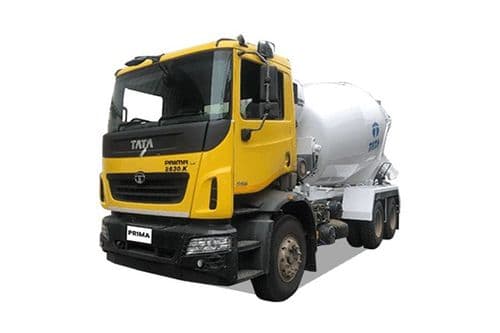
Tata Motors' Approach to Alternative Fuels
 Add CMV360 on Google
The company's push into hydrogen is supported by a joint venture with technology and engineering firm Cummins Inc.

By Priya Singh
Key Highlights:
- Tata Motors is focusing on hydrogen fuels for medium and heavy trucks to reduce emissions.
- They have teamed up with Cummins Inc. to make hydrogen engines.
- India's National Green Hydrogen Mission backs hydrogen development with a big budget.
- Tata Motors is also exploring CNG, LNG, ethanol, methanol, and biodiesel for its vehicles.
- The company is preparing for more CNG and LNG stations to support these new fuel options.
Tata Motors, a leading player in India's commercial vehicle (CV) market, is taking a multifaceted approach to navigating the changing fuel landscape. In pursuit of net-zero emissions, the company is actively exploring dozen alternative fuel options, with a particular focus on three hydrogen-based technologies.
Hydrogen: A Key Focus
Tata Motors recently announced its aim for a future in the CV segment that goes beyond standard diesel. Hydrogen emerged as an important focus area, particularly for medium and heavy-duty trucks serving long-haul and intercity routes.
While hydrogen-powered vehicles are still in their early stages in India, Tata Motors sees potential in them to offer a lower total cost of ownership compared to diesel.
Joint Venture with Cummins Inc.
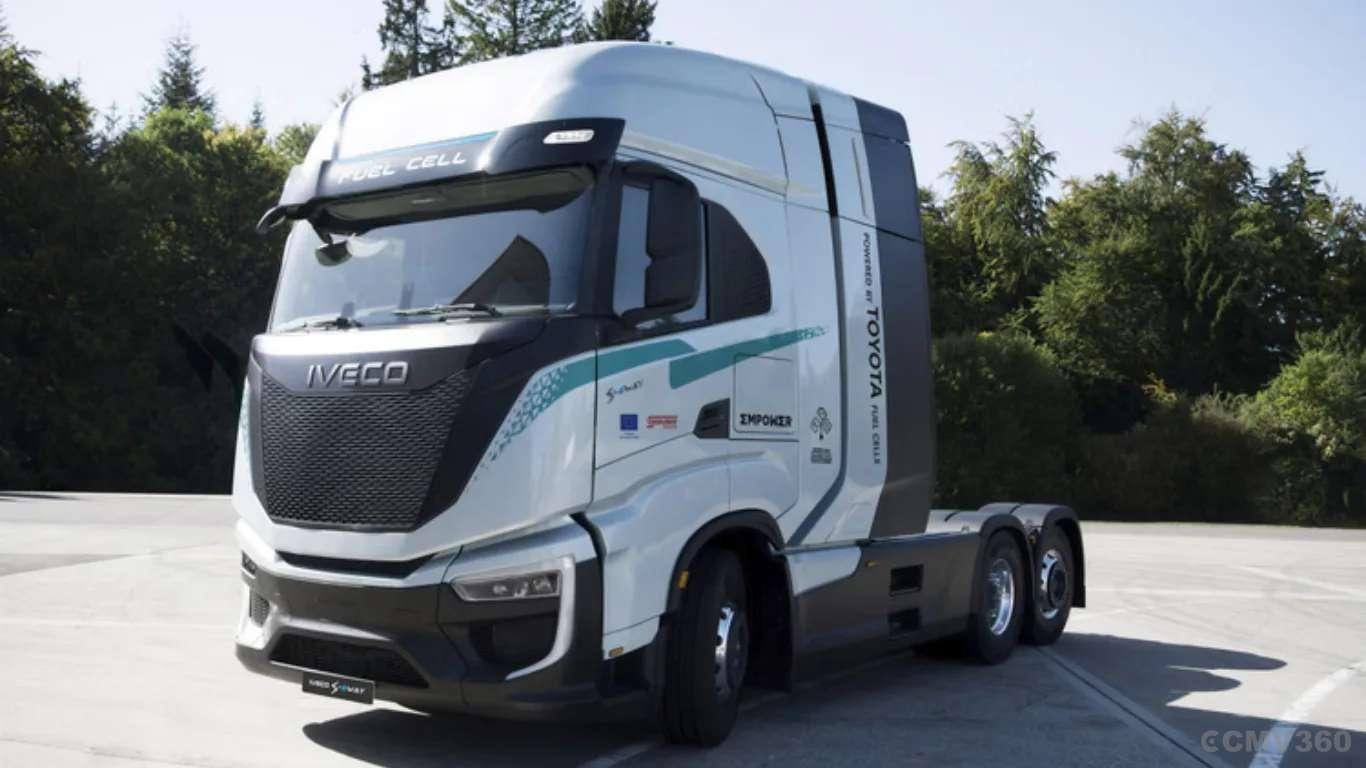
The company's push into hydrogen is supported by a joint venture with technology and engineering firm Cummins Inc. The JV's new Jamshedpur facility produces hydrogen-powered internal combustion (ICE) engines for medium and heavy commercial vehicles.
Tata Motors also delivered India's first hydrogen fuel cell buses to Indian Oil Corp last year. The oil marketing company runs 15 fuel cell buses in the Delhi-NCR region.
Support from the National Green Hydrogen Mission
The Indian government's National Green Hydrogen Mission significantly enhances the hydrogen sector. This ambitious initiative aims to advance hydrogen fuel cell and internal combustion engine (ICE) technologies for various vehicles, including buses, trucks, and passenger cars.
With a budget of Rs 496 crore, the mission also targets substantial green hydrogen production, aiming to achieve a capacity of 5 million metric tonnes per year by 2030, alongside installing 60–100 GW of electrolyser capacity.
The government expects green hydrogen-powered vehicles to become cost-competitive in the coming years as the costs of renewable energy and electrolysers reduce.
Other Emerging Fuel Options
Beyond hydrogen, Tata Motors is keeping an eye on other new fuel sources. Compressed natural gas (CNG) is a prime example, with its refueling infrastructure expanding rapidly.
The number of CNG stations is predicted to increase from approximately 6,000 currently to more than 10,000 by 2030. Tata Motors says it is preparing to capitalize on this expansion by making its vehicles CNG-compatible.
Liquefied natural gas (LNG) is another aspect of interest for the group. With over 50 operational stations expected by the end of the year and more than 1,000 stations planned by 2027, Tata Motors is preparing its CVs for this fuel source.
The company is also investigating advanced blended fuels such as ED5. Here, the focus is on understanding ethanol's properties and ensuring it works well with vehicle materials.
Tata Motors has set its sights on E20 and beyond, aiming to achieve the necessary material and compliance standards for flex-fuel vehicles by 2027. Trials are also ongoing with M15 methanol, another promising alternative fuel option.
Biodiesel also offers various benefits for commercial vehicles. While Tata Motors sells B30 blends in international markets, the business is waiting for a clearer regulatory environment before launching them domestically.
Also Read: Tata Motors Sales Report June 2024: Total commercial vehicle sales declined 8% to 30,623 units.
CMV360 Says
Tata Motors' proactive approach to alternative fuels sets a strong example in the commercial vehicle industry. By exploring various fuel options, including hydrogen, CNG, LNG, and blended fuels, the company is positioning itself at the forefront of the transition to greener transportation.
Their focus on sustainability and innovation, particularly in hydrogen, shows their commitment to a greener future for transportation in India.

Hi there! I'm Priya. From trucks to vans and everything in between, I'm here to provide you with up-to-date in .....