Tractors
Trucks
- Find by Budget
- Find by Type

English
 New Delhi
The government launches PM E-DRIVE guidelines with a ₹500 crore subsidy for electric trucks, linking incentives to vehicle scrappage and setting strict warranty rules.

By Priya Singh

Key Highlights:
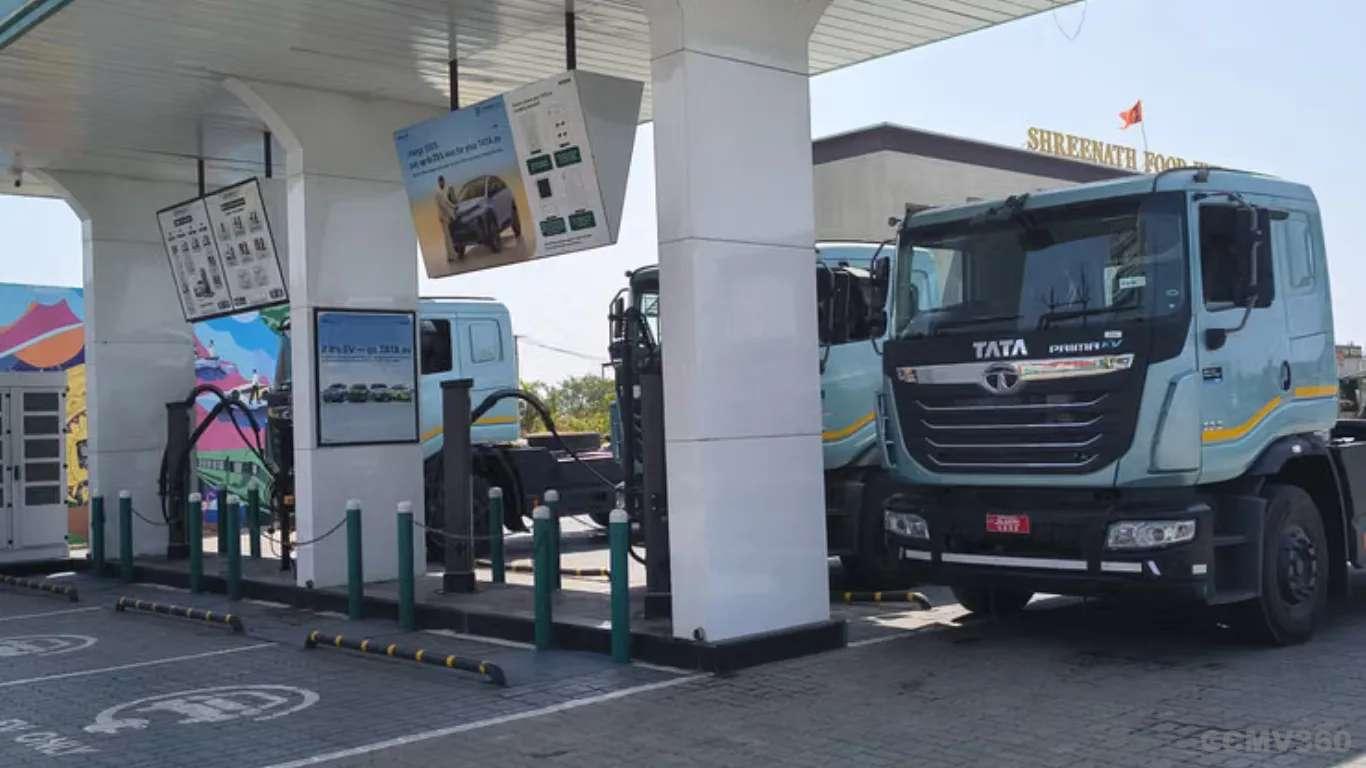
In a big step toward clean and sustainable freight mobility, the Indian government has officially released the subsidy and eligibility guidelines for electric trucks under the PM E-DRIVE Scheme. This scheme is a part of India’s larger EV mission and follows the earlier FAME initiatives. The aim is to push electric truck adoption by making them more affordable through demand incentives.
Budget for Electric Trucks in FY2026
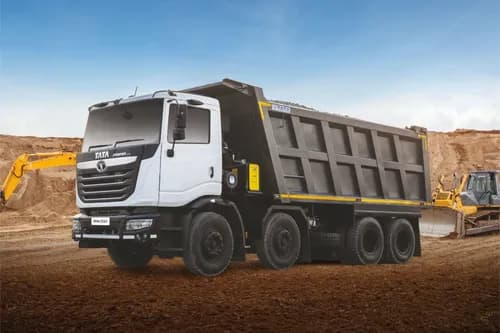
From the total budget of ₹10,900 crore under the PM E-DRIVE scheme, ₹500 crore has been specially assigned to help 5,643 electric trucks hit the roads in FY2026. This will help logistics operators and commercial fleet owners to shift to cleaner alternatives, especially in the mid to heavy truck categories.
Who Can Get the Subsidy?
Electric trucks weighing more than 3.5 tonnes and up to 55 tonnes can get subsidies. The amount is decided as ₹5,000 per kWh of battery size or 10% of the truck’s ex-factory price, whichever is less. However, subsidies can only be availed if the buyer submits a Certificate of Deposit (CD), which is given after scrapping an old vehicle under the scrappage policy. This links the PM E-DRIVE scheme closely with the government’s Vehicle Scrappage Policy.
Category-Wise Subsidy Limits for Electric Trucks
N1 Category (3.5 to 12 tonnes GVW):
N2 Category (12 to 55 tonnes GVW):
Minimum Warranty Terms for Eligibility
To ensure long-term value and durability, trucks must meet the following minimum warranty conditions:
Only trucks meeting these standards will be eligible for the subsidy.
About the PM E-DRIVE Scheme
The PM E-DRIVE Scheme came into effect on October 1, 2024, and will remain valid till March 31, 2026, unless extended. It replaces both the FAME (Faster Adoption and Manufacturing of Hybrid and Electric Vehicles) schemes and the short-term Electric Mobility Promotion Scheme (EMPS).
While electric two-wheelers, three-wheelers, and buses were included in the first phase, guidelines for electric trucks, ambulances, and charging infrastructure were pending until now. The Ministry of Power is still working on the final charging infrastructure guidelines.
Total Budget Distribution and Targets
Out of the ₹10,900 crore budget:
Overall Targets:
Subsidies for Two-Wheelers and Three-Wheelers Being Reduced
In the first year, the government offered:
From April 2025, these incentives were cut in half. Officials say the two-wheeler and three-wheeler markets have matured, and subsidies for them will likely be discontinued after March 2026. Only vehicle categories with less than 10% EV penetration may continue receiving support.
Importance of the Certificate of Deposit (CD)
A Certificate of Deposit (CD) is essential for claiming truck subsidies. It is issued when a user scrapes an old vehicle through an authorised scrapping center under the Vehicle Scrapping Policy, launched in 2022. This CD can be used to claim:
This effort not only promotes EV adoption but also ensures that old polluting vehicles are taken off the road.
Also Read: India Floats Biggest Tender Yet for 10,900 E-Buses Under PM e-Drive Scheme
CMV360 Says
With the PM E-DRIVE scheme, the government is taking a strong stand to electrify India’s freight movement and public transport. The scheme supports electric trucks and links the subsidy to scrapping old vehicles, helping both clean transport and a cleaner environment. However, the gradual withdrawal of subsidies for two-wheelers and three-wheelers shows that India is moving towards a self-sustaining EV market, especially in the lighter vehicle segments. This transition is expected to improve air quality, reduce logistics costs in the long run, and set the stage for a cleaner transport ecosystem in India.

About the author
Hi there! I'm Priya. From trucks to vans and everything in between, I'm here to provide you with up-to-date information, expert analysis, and actionable insights. Let's navigate the world of commercial vehicles together!


 Add CMV360 on Google