Tractors
Trucks
- Find by Budget
- Find by Type

English
 New Delhi
The Ministry of Heavy Industries updates the PM E-DRIVE Scheme to promote local manufacturing of electric vehicle components.

By Priya Singh

Key Highlights:
The Ministry of Heavy Industries has made changes to the PM Electric Drive Revolution in Innovative Vehicle Enhancement (PM E-DRIVE) Scheme to support the local production of electric vehicle (EV) parts in India. These changes, announced on March 3, 2025, focus on the Phased Manufacturing Programme (PMP) and set clear guidelines for various EV types, including electric two-wheelers, electric three-wheelers, and electric buses.
EV Components Must Be Manufactured in India
The updated PMP guidelines state that the main EV components like traction battery packs, battery management systems, DC-DC converters, vehicle control units, and traction motors are to be made in India. The government has also set strict rules to ban the import of battery modules and other important parts, ensuring they are manufactured locally. These changes will apply from May 1, 2025, for electric two-wheelers and three-wheelers, and within six to twelve months for electric buses.
Local Manufacturing Requirements
The amendments require that electric two-wheelers (L1 & L2) and electric three-wheelers (L5, e-rickshaws, and e-carts) have locally manufactured traction battery packs. This includes complete assembly, such as cell-to-cell connections, bus bar fitment, wiring, and integration of the battery management system. In addition, the vehicle control unit (VCU), on-board chargers, and instrument clusters must also be produced in India, with assembly of electronic components, wiring, software integration, and heat-sink fitments.
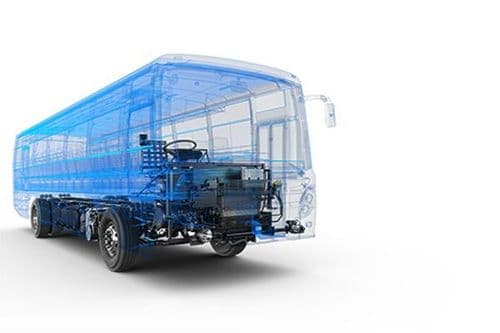
For electric buses (M2/M3 category), the amendments state that key components like heating, ventilation, and air conditioning (HVAC) systems, electric compressors for brakes, charging inlets, and traction battery packs must be manufactured in India. The guidelines also require separate PMP verification for integrated units, such as DC-DC converters combined with on-board chargers and motor controllers, to be conducted for each component.
Strict Rules for Local Manufacturing and Import Restrictions
The notification also states that all other EV components must be manufactured locally, with independent testing agencies overseeing compliance. The definition of "manufacture" will follow the Central Goods and Services Tax (CGST) Act, 2017, to ensure consistency in regulations. Additionally, the amendments ban the import of completely knocked-down (CKD) components from a single supplier, further supporting the push for self-reliance in EV manufacturing.
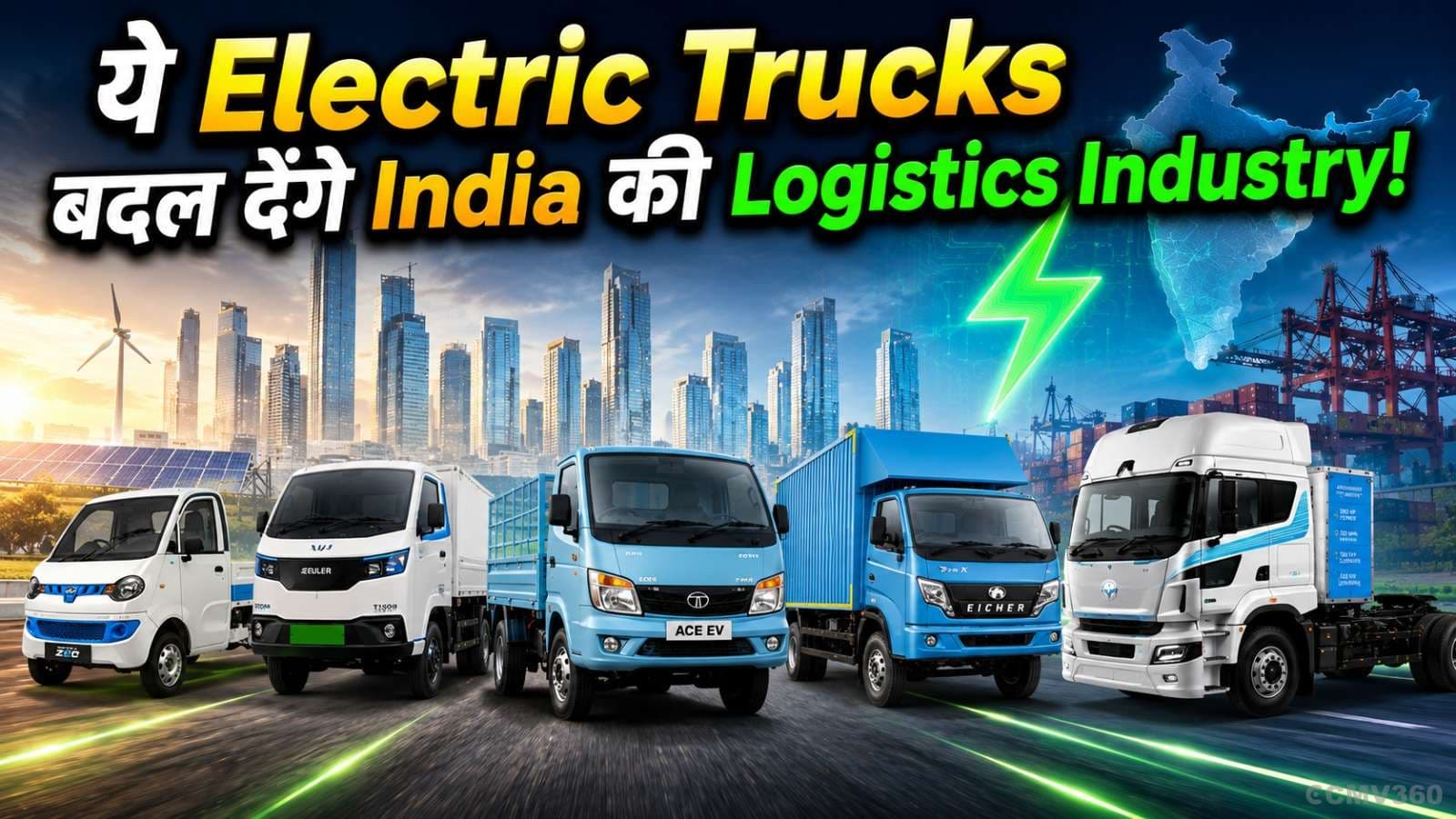
The government has also announced that separate notifications will be issued for the phased manufacturing requirements of new EV categories, such as e-ambulances and electric trucks. These changes highlight India’s commitment to strengthening its EV ecosystem by promoting local production and reducing reliance on imports.
Also Read: MHI Approves Subsidies for E-Buses in Bengaluru and Hyderabad under PM E-Drive Scheme
CMV360 Says
The focus on local manufacturing of parts for electric vehicles under the PM E-DRIVE Scheme could be considered as a good move for India’s electric vehicle sector. It will reduce the reliance on imports and strengthen the domestic supply chain. This will also attract more investment and will create job opportunities for youth.

About the author
Hi there! I'm Priya. From trucks to vans and everything in between, I'm here to provide you with up-to-date information, expert analysis, and actionable insights. Let's navigate the world of commercial vehicles together!


 Add CMV360 on Google