Mahindra to Hike Prices of SUVs and Commercial Vehicles by Up to 3%, Starting April 2025
 Add CMV360 on Google
Mahindra’s latest price revision follows similar actions taken by other manufacturers to manage their operating costs.

By Priya Singh

Key Highlights:
- Mahindra will raise the prices of its SUVs and CVs by up to 3%.
- Hyundai Motor India Limited (HMIL) has also announced a price increase of up to 3%.
- Kia India increased prices between 0.3% and 4.7% earlier this month.
- Tata Motors' commercial vehicle division has raised prices, passing on some rising production costs to customers.
- Maruti Suzuki will increase prices by up to 4% starting in April 2025.
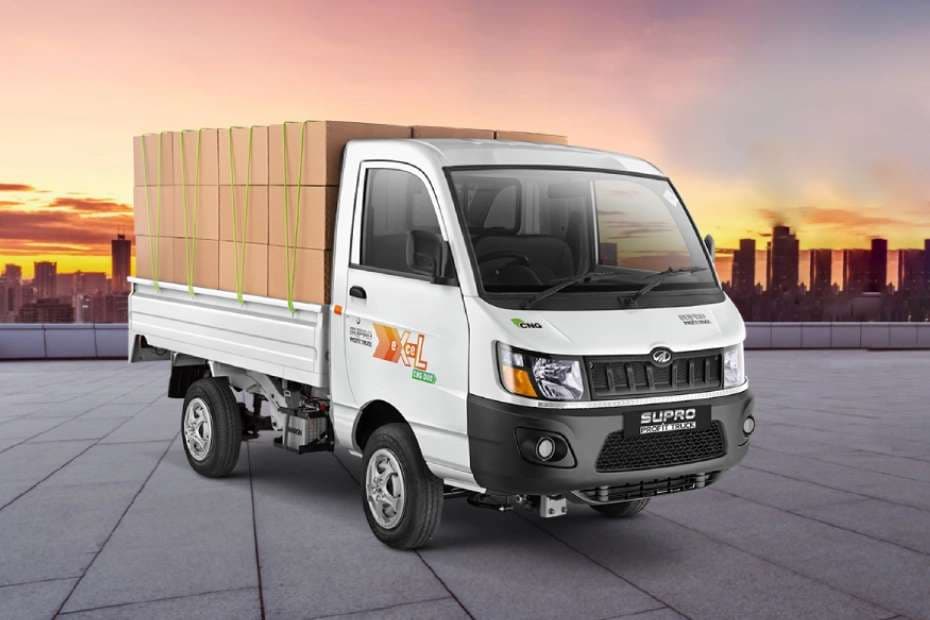
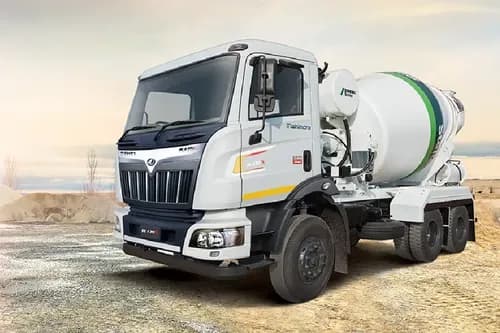
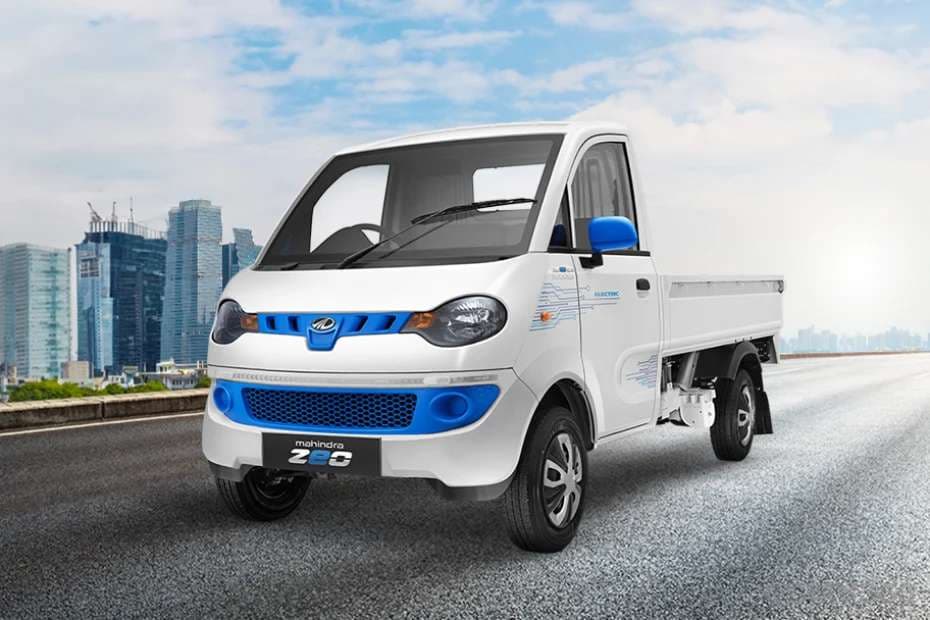
Mahindra & Mahindra has announced a price increase of up to 3% on its SUVs and commercial vehicles, starting April 2025. The company says this price hike is due to rising input costs and higher commodity prices. The price increase will vary depending on the model and segment. Mahindra, a major player in India’s SUV and commercial vehicle market, mentioned that this adjustment is needed to deal with cost pressures while still offering competitive products.
Mahindra’s latest price revision follows similar actions taken by other manufacturers to manage their operating costs. Customers who plan to buy Mahindra vehicles before April may want to make their purchase before the price increase takes effect. More details on the specific price changes for each model will be shared closer to the date.
Mahindra & Mahindra operates through three main divisions: auto, farm, and services. Each division contributes about a third of the group's total revenue. The services division covers areas like financial services, technology, logistics, hospitality, and real estate. For the first nine months of FY25, Mahindra’s total revenues grew by 12.5%, reaching Rs 1,16,612 crore, compared to Rs 1,03,627 crore during the same period last year. Net profit also increased by 13.14%, reaching Rs 9,634 crore, up from Rs 8,515 crore in the previous year. The company’s earnings per share rose to Rs 86, compared to Rs 76.1 during the same period in FY24.
Automakers in India have been dealing with changes in raw material costs, supply chain expenses, and regulatory shifts, leading to occasional price changes across the industry. Tata Motors' commercial vehicle division has also announced price increases. Tata Motors has announced a price increase of up to 2% on its commercial vehicles, starting from April 1, 2025. The company said the price hike is due to rising input costs, and the increase will depend on the model and variant. This follows a price increase of up to 3% on Tata Motors' passenger vehicles in January.
Hyundai Motor India Limited (HMIL) has also announced a price increase of up to 3% across its entire model range, starting in April 2025. The price hike will vary based on the model and variant. Kia India recently raised prices across its vehicle range. Kia India’s price revision ranged between 0.3% and 4.7%, depending on the model and variant. The company, like others, cited rising input and operational costs as the main reasons for the price increase.
Maruti Suzuki has also revealed plans to increase prices by up to 4% across its entire model range starting in April. The company specifically pointed to rising overall input costs as the main reason for this decision.
Also Read: Tata Motors Patents Autonomous Self-Driving Vehicle Concept: Tata YU
CMV360 Says
The recent price hikes by major auto companies in India are due to rising costs of materials and operations. While it's understandable that companies need to raise prices to stay profitable, it can be a difficult time for customers. These increases may make people think twice before buying. However, price changes like this are common when costs go up, and the market will likely get used to the new prices over time.

Hi there! I'm Priya. From trucks to vans and everything in between, I'm here to provide you with up-to-date in .....