Indian Government Collaborates with FICCI to Drive Electric Vehicle Revolution
 Add CMV360 on Google
The Indian Battery Swapping Association (IBSA) will be in charge of battery swapping programs, while the International Council on Clean Transportation (ICCT) will address issues with electric trucks.

By Priya Singh
Key Highlights:
• The Indian government forms a task force with FICCI to promote electric vehicles.
• The task force seeks input from stakeholders through workshops.
• Eleven key areas identified to boost EV adoption.
• Agencies assigned roles for charging infrastructure, battery swapping, etc.
• New schemes like EMPS 2024 aim to boost EV manufacturing in India.
The Indian government is actively working towards its vision of Viksit Bharat by promoting the country's electric vehicle (EV) ecosystem. To do this, the Centre is forming a task force to provide a comprehensive roadmap for the EV industry.
The Ministry of Heavy Industries (MHI) revealed this effort to automakers in a letter obtained by Mint. The task force, which will be formed in partnership with the Federation of Indian Chambers of Commerce and Industry (FICCI) and other relevant institutions, plans to involve stakeholders through workshops and meetings.
The letter emphasizes the significance of information and recommendations from many stakeholders for electric vehicle adoption and infrastructure development. According to the letter, the task force has identified 11 key areas for developing an action plan to promote EV adoption in India.
Several organizations have already begun work to lay the framework for India to lead the global e-mobility transformation. These entities are actively working with original equipment manufacturers (OEMs) to advance the automotive vision plan for Viksit Bharat 2047.
New Policies and Schemes
The government has launched the Electric Mobility Promotion Scheme (EMPS) 2024, which would focus on e-two and e-three wheelers.
This plan replaces the Faster Adoption and Manufacturing of Electric Vehicles II (FAME II) program, which expired in March 2024. In addition, the New Electric Vehicle Policy 2024 seeks to promote India as an EV manufacturing hub by providing incentives to companies who establish manufacturing facilities in the country.
Roles of several agencies
Different agencies have been allocated special duties to accelerate the transition to electric mobility. For example, GIZ and Ficci will focus on charging infrastructure, whereas the Rocky Mountain Institute (RMI) will focus on two- and three-wheelers.
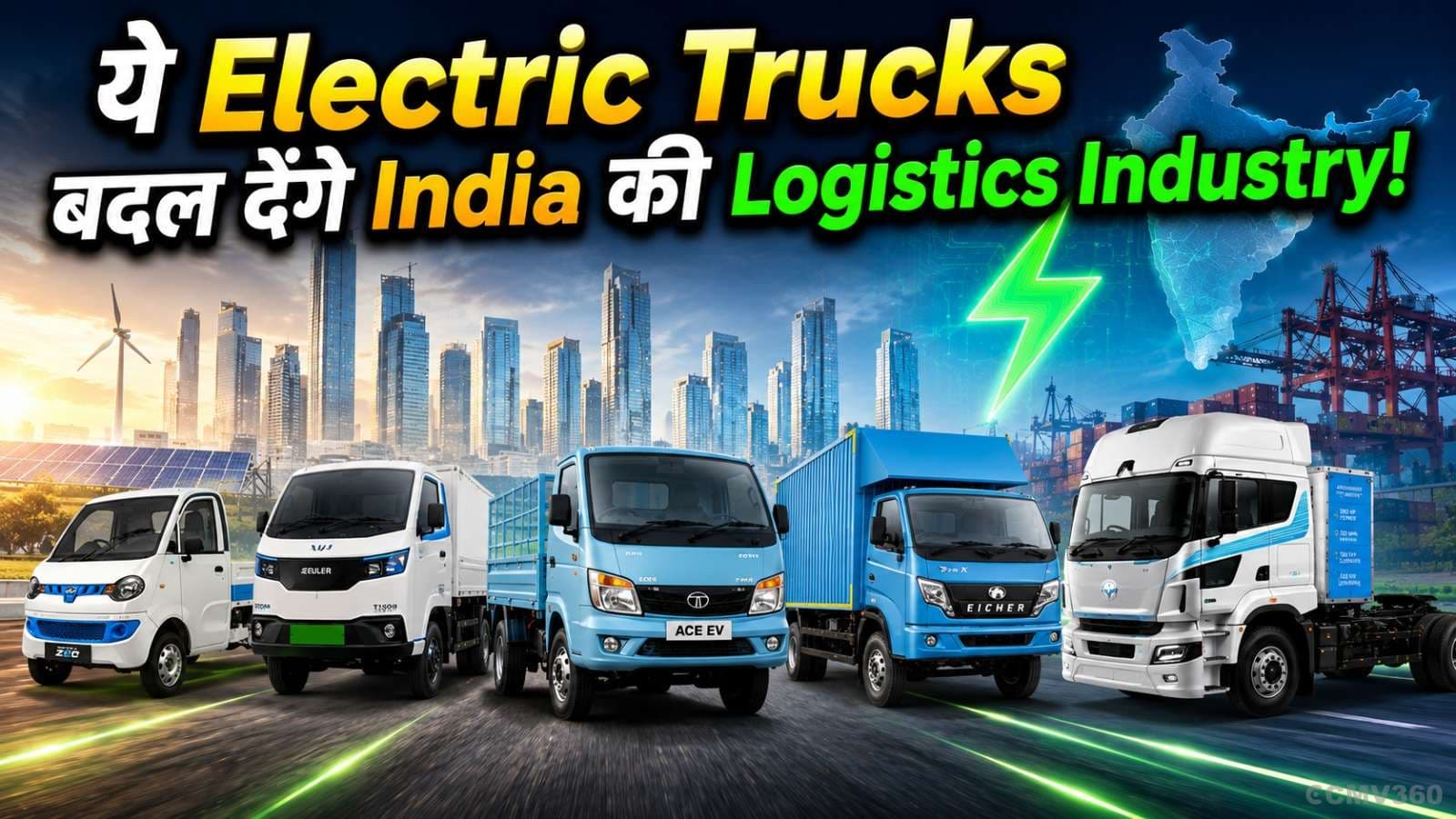
The Indian Battery Swapping Association (IBSA) will be in charge of battery swapping programs, while the International Council on Clean Transportation (ICCT) will address issues with electric trucks.
Positive growth trends
Despite subsidy reductions and regulatory changes, sales of electric vehicles are expected to climb by more than 45% in 2024. Total EV registrations in 2023 exceeded 1.5 million units, representing a significant increase over previous years. This has resulted in a national EV penetration rate of 6.3%, up from 4.8% in 2022.
Also Read: Government Launches Electric Mobility Promotion Scheme 2024 to Accelerate Green Revolution
CMV360 Says
The partnership between the Indian government and FICCI to promote electric vehicles signals a coordinated effort towards sustainable transportation.
By forming a task force, assigning roles, and introducing new policies, they aim to accelerate EV adoption and bolster manufacturing. Despite challenges, rising EV sales reflect growing interest and confidence in electric mobility, pointing towards a greener future for India's transportation sector.

Hi there! I'm Priya. From trucks to vans and everything in between, I'm here to provide you with up-to-date in .....