Centre Withdraws Subsidy for Electric Three-Wheelers After Target Achievement Under PM E-Drive
 Add CMV360 on Google
The Centre ends the electric three-wheeler subsidy under PM E-Drive after achieving the adoption target, shifting focus to states, while two-wheelers and commercial EVs still require support.

By Robin Kumar Attri

Key Highlights
Subsidy withdrawn after 2.9 lakh e-3W target met.
Electric three-wheeler penetration reaches 32%.
Support for e-two-wheelers may continue.
No demand yet for electric buses and trucks.
PM E-Drive delivers 1.13 million EVs.
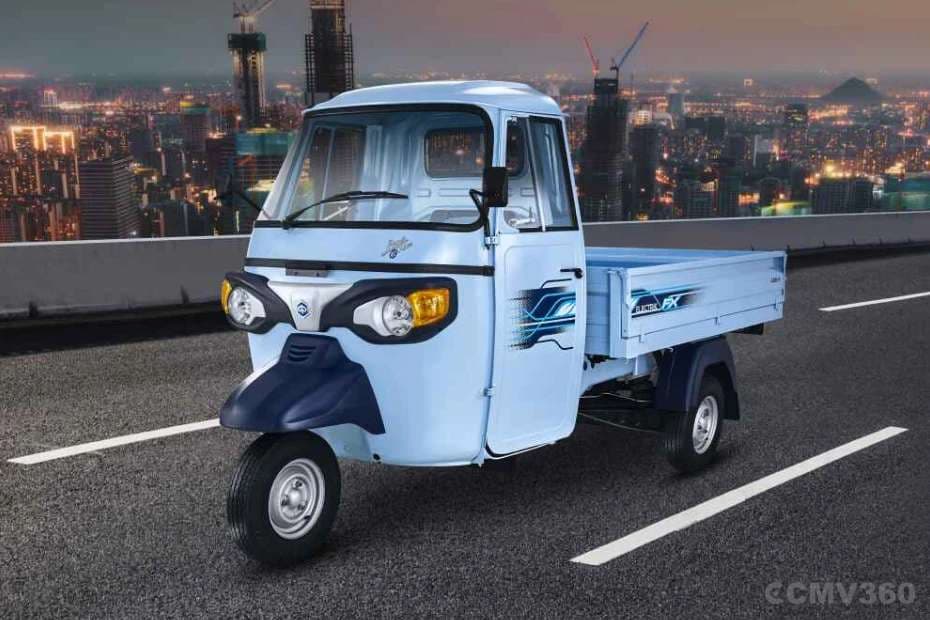
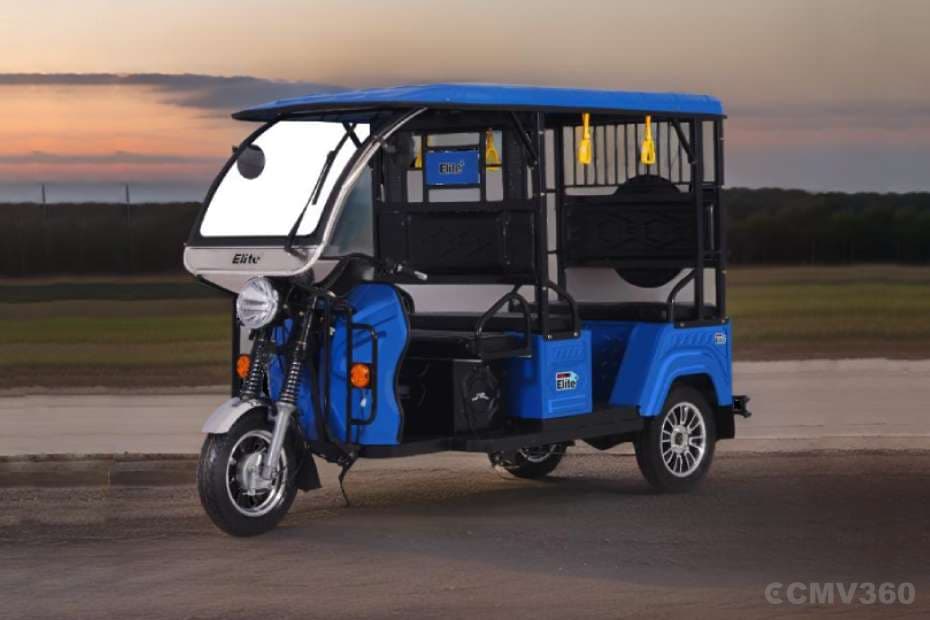
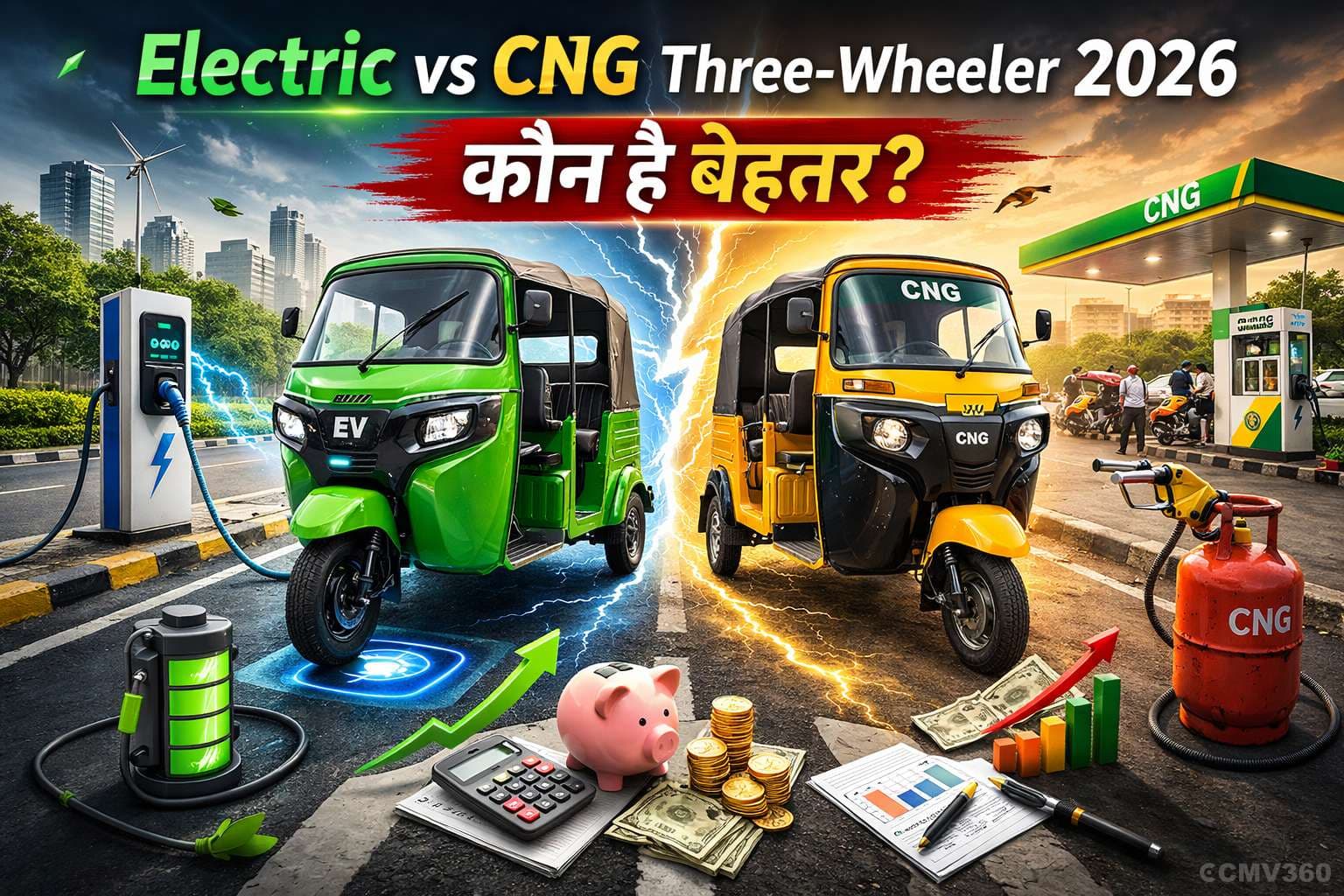
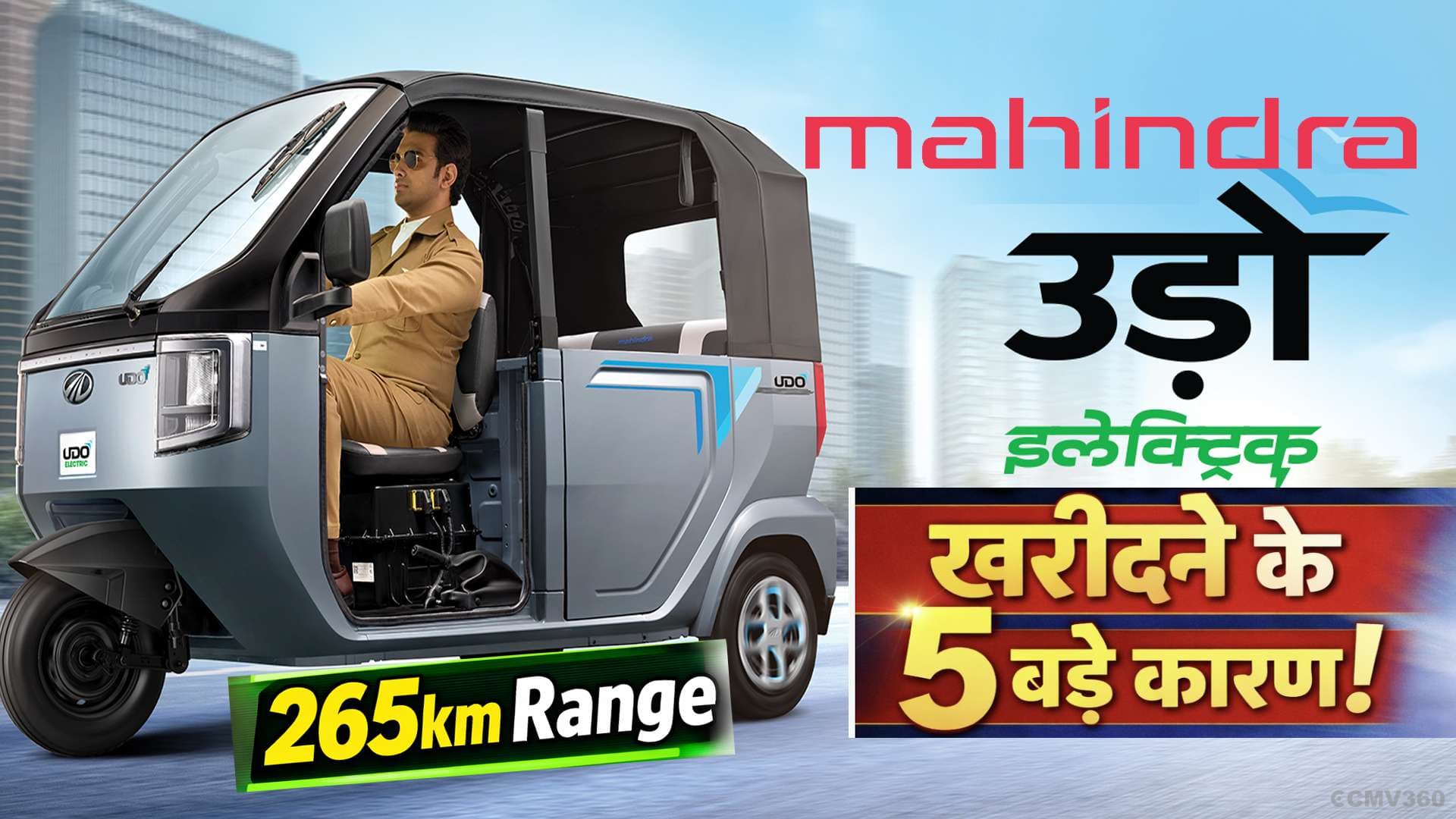
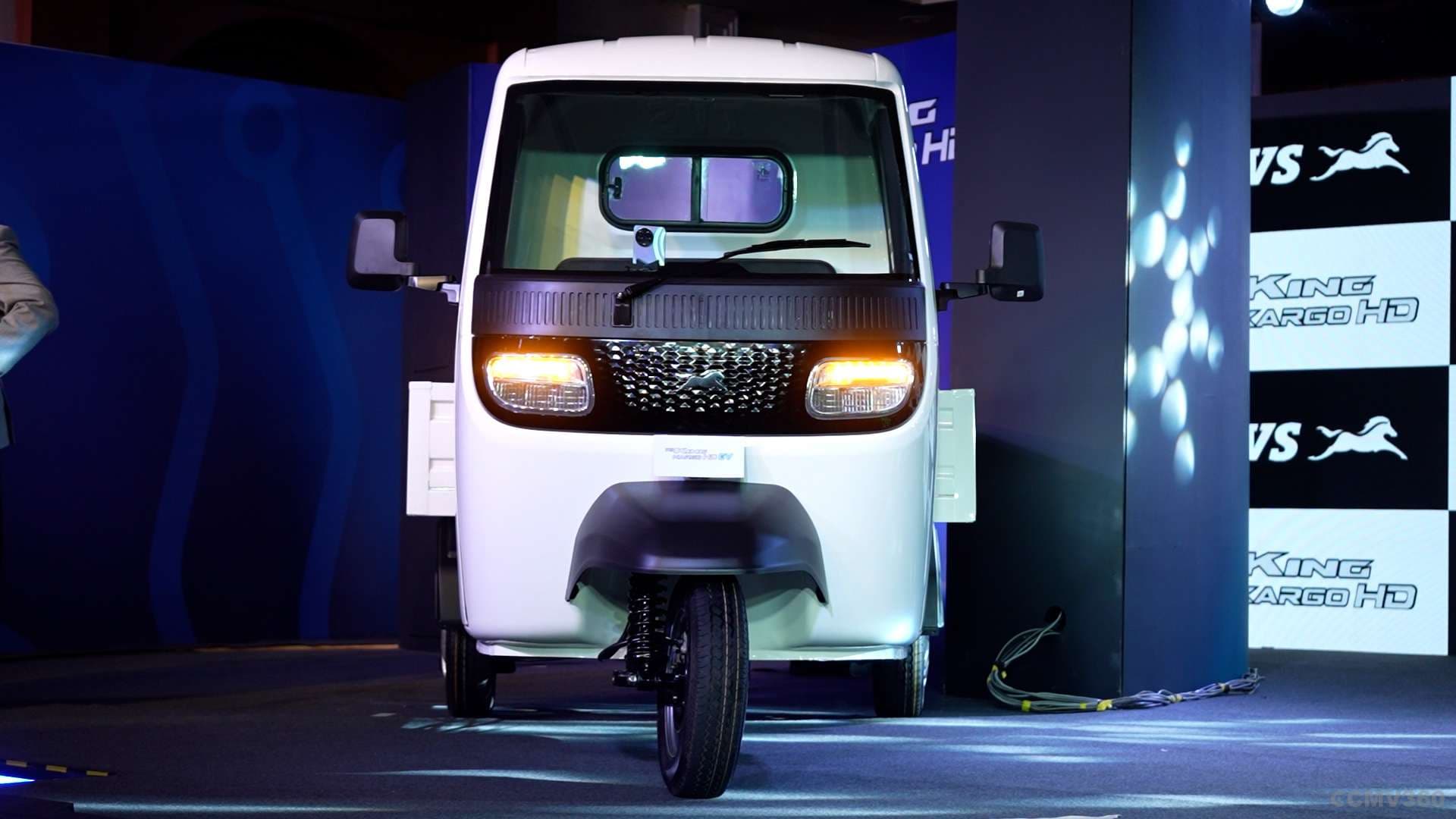
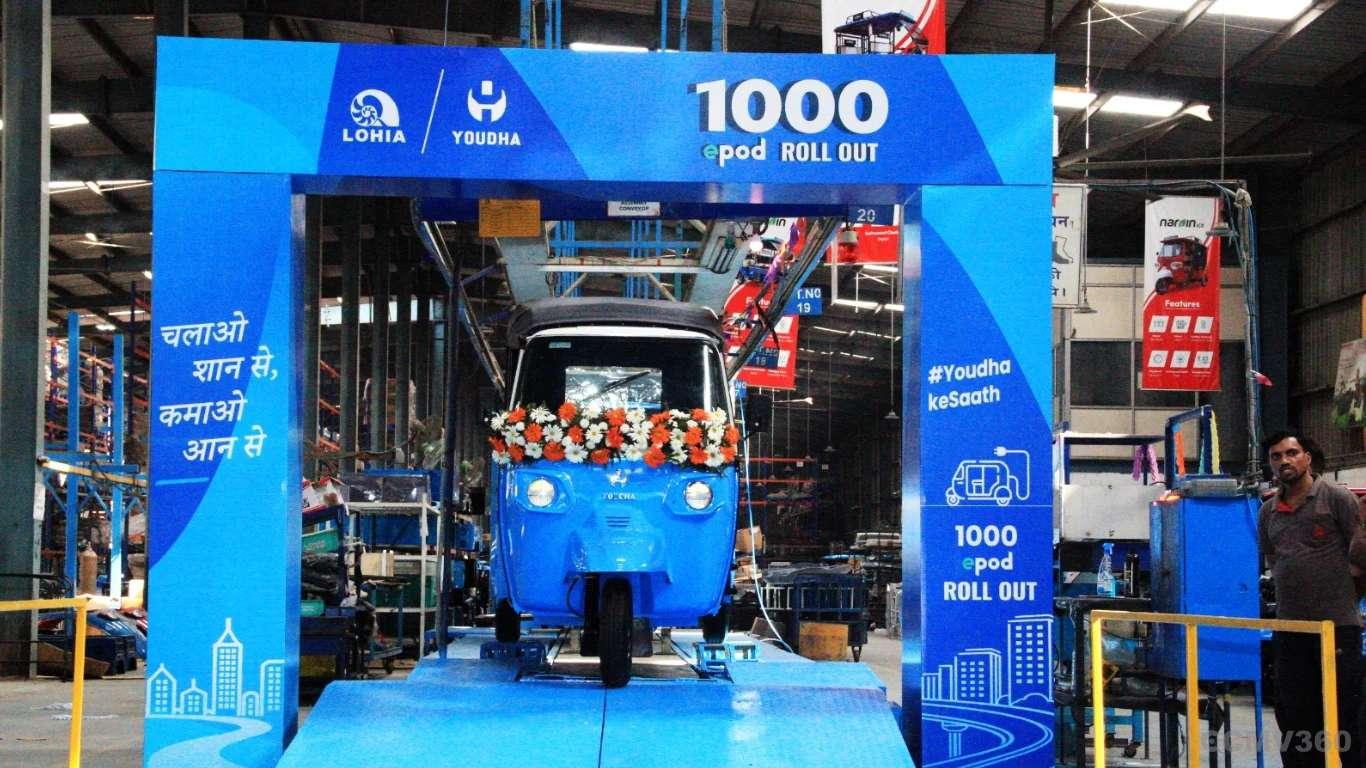
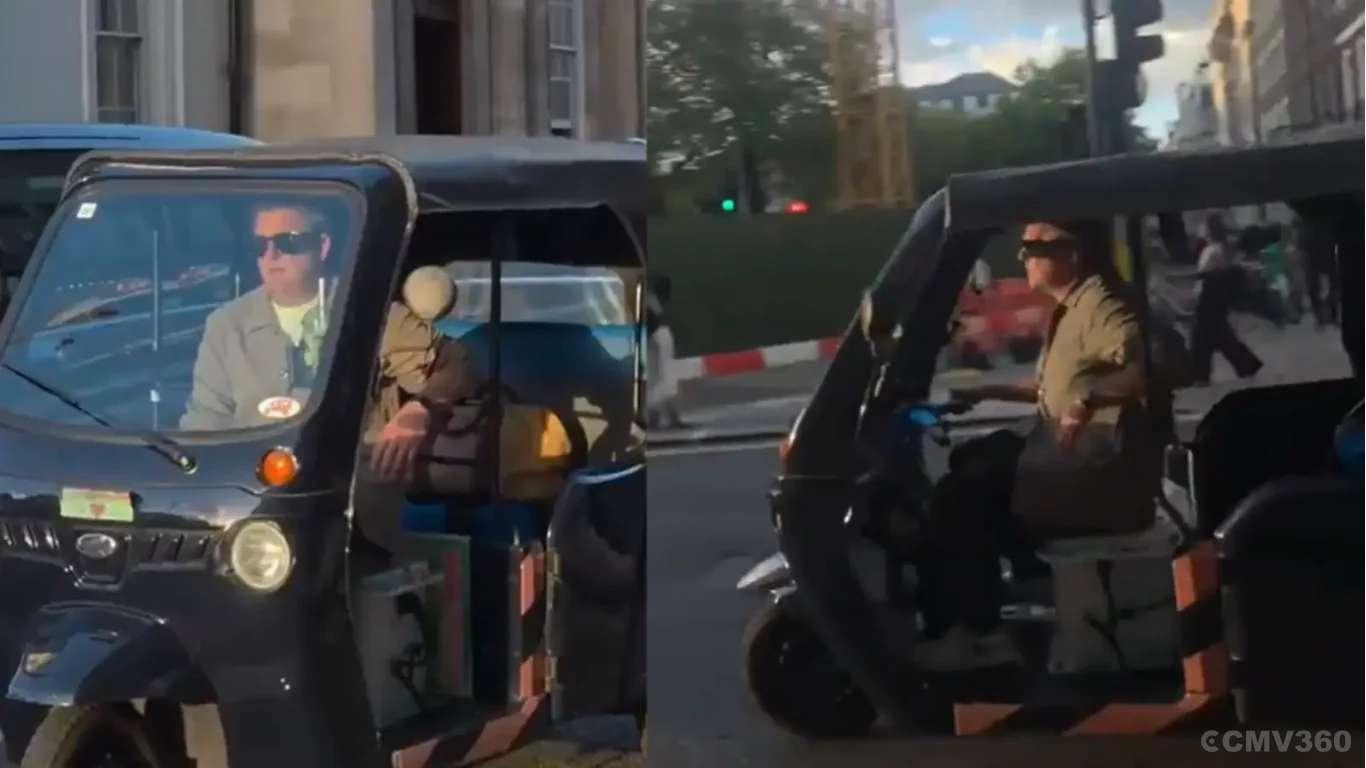
The Central government has decided to withdraw subsidies for electric three-wheelers under the PM E-Drive scheme, as the segment has achieved its adoption target. According to reports, the government had planned to support 2.9 lakh electric three-wheelers, a milestone that has now been reached.
Also Read: TVS Motor and Manba Finance Partner to Boost Commercial Vehicle Financing in India
Electric Three-Wheeler Segment Reaches Maturity
Officials said the decision reflects the growing maturity of the electric three-wheeler market. EV penetration in this segment has reached around 32%, which falls well within the government’s original target range of 20–30%. With this goal achieved, the Centre now plans to step back and allow state governments to take the lead in further promoting electric three-wheelers.
Industry sources noted that even manufacturers are comfortable with the withdrawal, as demand has stabilised and the segment no longer requires heavy central support.
Electric Two-Wheelers Still Need Support
The situation is different for electric two-wheelers. EV penetration in this segment remains low at around 7.5%, prompting the government to consider extending subsidies into the next financial year.
Against a target of nearly 25 lakh electric two-wheelers, about 18.3 lakh units have already been sold, and sales are expected to reach around 23 lakh units by the end of the current fiscal year, leading to a spillover into the next year.
While further support may be needed, the Centre is increasingly shifting responsibility to states. Several states are planning their own incentive schemes. Delhi, which faces severe air pollution every year, is expected to announce a fresh EV support package soon. Some states already offer registration and other benefits, especially where EV penetration in four-wheelers remains low.
No Demand Yet for Electric Buses and Trucks
Under the PM E-Drive scheme, electric buses and electric trucks have not seen demand so far, as many models are still in the testing phase. The government has planned support for 14,000 electric buses and 5,643 electric trucks, but industry executives say adoption will remain slow without strong charging infrastructure.
They added that private service providers will need to play a key role in building reliable charging networks to unlock demand in the commercial EV segment.
Three-Wheeler Industry Outlook for FY26
India’s three-wheeler market is expected to record around 7% growth in FY26, supported by steady demand and strong festival sales. Analysts project 5–6% growth in the second half of the financial year, similar to the first half.
According to the Society of Indian Automobile Manufacturers (SIAM), wholesale dispatches in the first half of FY26 rose 5.5% year-on-year to 3,94,450 units, driven mainly by strong sales in July.
PM E-Drive Delivers Strong EV Volumes
Despite offering lower per-vehicle subsidies than the earlier FAME II scheme, PM E-Drive has delivered strong results. A study by the Council on Energy, Environment and Water’s Green Finance Centre (CEEW-GFC) found that the scheme supported 1.13 million electric vehicles in its first year.
Even after cutting incentives to ₹5,000 per kWh, nearly half of FAME II levels, PM E-Drive enabled EV volumes 3.4 times higher than the previous scheme.
India’s automotive sector contributes 7.1% to GDP and supports over 30 million jobs. EV sales have grown sharply from just over 2,000 units in FY15 to around 1.96 million units in FY25, taking overall EV penetration to 7.49%.
CMV360 Says
The Centre’s decision to withdraw subsidies for electric three-wheelers marks a key milestone under PM E-Drive, showing the segment’s strong market acceptance. With EV penetration touching 32%, the focus now shifts to states for further support. While electric two-wheelers still need incentives, buses and trucks await infrastructure readiness. Overall, PM E-Drive continues to drive steady EV growth across India.

Robin Kumar Attri is a content and video professional with 2.7 years of experience in the commercial vehicle d .....