Ashok Leyland to Launch New LNG Trucks, Expands Multi-Fuel Strategy
 Add CMV360 on Google
Ashok Leyland is preparing new LNG trucks for long-haul operations while expanding its electric vehicle, battery manufacturing and hydrogen technology investments to strengthen its alternative-fuel strategy in India.

By Robin Kumar Attri

Key Highlights
Ashok Leyland is preparing new LNG-powered trucks for long-haul transportation.
The company is developing electric, LNG and hydrogen-powered commercial vehicles.
LNG is being considered a suitable alternative fuel for heavy-duty, long-distance operations.
A 4 GWh battery pack manufacturing facility is coming up at Pillaipakkam near Chennai.
Hydrogen trucks and buses remain part of the company's long-term alternative-fuel plans.
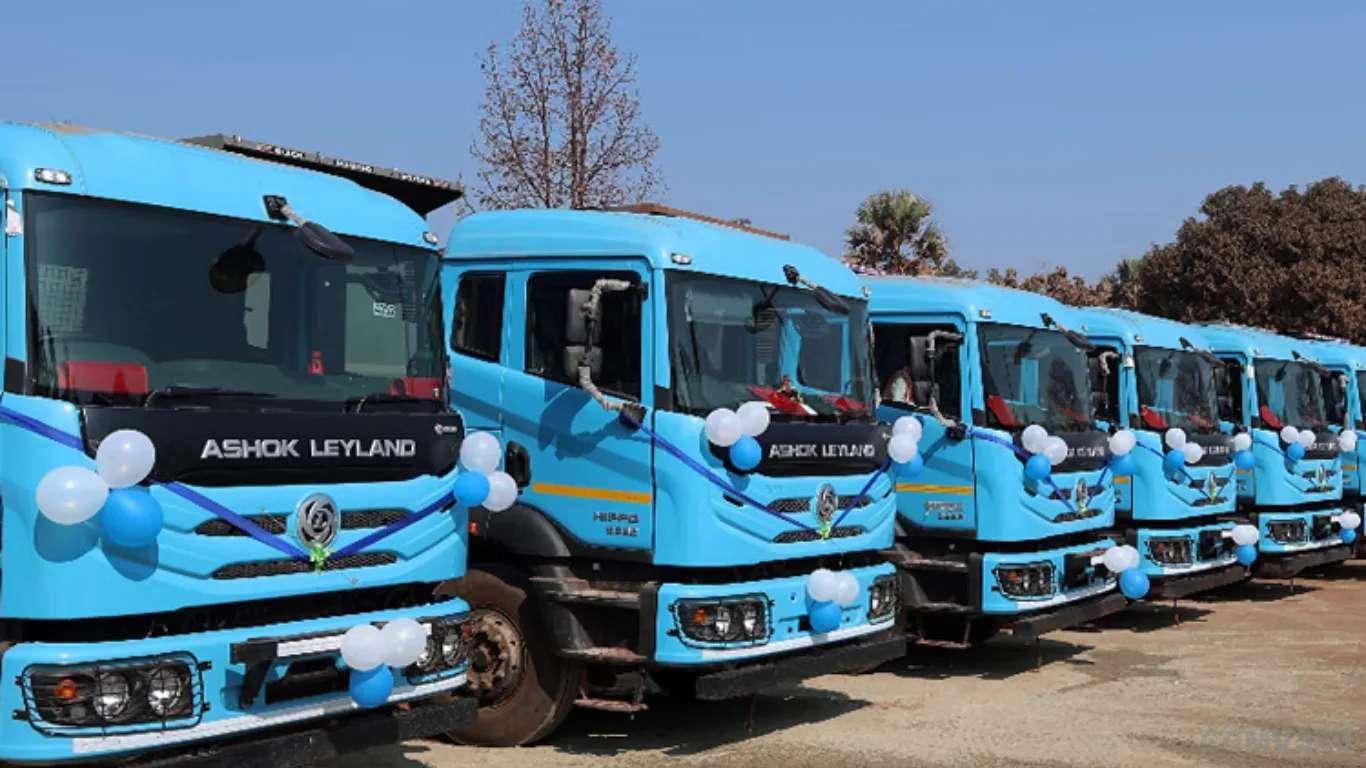
Ashok Leyland is preparing to introduce new liquefied natural gas (LNG)-powered trucks as part of its expanding alternative-fuel strategy. The company sees LNG as a suitable option for heavy-duty commercial vehicles, particularly those used for long-distance transportation. Speaking during Ashok Leyland's Q2 FY27 earnings conference call on November 16, 2026, Managing Director and CEO Shenu Agarwal discussed the company's plans across electric mobility, LNG and hydrogen technologies.
Agarwal indicated that the company was working on new LNG products and would share more details during its next investor interaction. However, Ashok Leyland has not yet announced the names of the upcoming models or their confirmed launch dates. The development is part of the company's broader strategy to introduce different fuel technologies depending on vehicle applications, operating requirements and the pace of market adoption.
Also Read: Ashok Leyland Expands LCV Network with New Jagdalpur Dealership in Chhattisgarh
LNG to Support Heavy-Duty and Long-Haul Transportation
Ashok Leyland considers LNG a practical alternative for long-haul commercial vehicle operations, where trucks typically cover longer distances and require suitable fuel options for continuous transportation.
According to Agarwal, LNG has the potential to serve heavy-duty applications, while hydrogen technology will require more time to become commercially viable. The company expects electric commercial vehicles to gain wider acceptance earlier, particularly in the light commercial vehicle (LCV) and bus segments. However, the adoption of electric technology in medium and heavy commercial vehicles is likely to take longer.
Ashok Leyland is also preparing electric truck technologies to address these segments as the market develops. Rather than depending on a single alternative fuel, the company is developing multiple propulsion technologies to meet the different requirements of India's commercial vehicle industry.
Ashok Leyland's 4 GWh Battery Manufacturing Facility
Alongside its LNG and hydrogen developments, Ashok Leyland is strengthening its electric vehicle ecosystem through investments in battery manufacturing. The company is establishing a battery pack manufacturing facility at Pillaipakkam near Chennai. The project has received the necessary approvals, and construction work has already started.
The first phase of the facility is planned with an initial manufacturing capacity of approximately 4 GWh. This capacity is expected to meet the captive battery requirements of Ashok Leyland and its electric mobility subsidiary, Switch Mobility. The facility has also been designed to support future expansion to 8 GWh or 12 GWh, depending on business requirements and market demand.
Production at the facility is expected to begin in Q3 of the next financial year. Management has also indicated that battery cell manufacturing could become the second phase of the project. A decision regarding the required investment is likely to be considered during the next financial year.
Hydrogen Trucks and Buses Remain Part of the Strategy
Ashok Leyland is continuing its development work on hydrogen-powered commercial vehicles, although the technology is expected to take longer to achieve wider commercial adoption. Agarwal stated that the company has the country's largest fleet of hydrogen trucks. It has also deployed hydrogen-powered buses in partnership with NTPC.
These developments highlight the company's continued efforts to explore hydrogen as another potential solution for cleaner commercial transportation. For now, Ashok Leyland's immediate priorities include expanding electric mobility, particularly in LCVs and buses, while preparing LNG-powered trucks for long-haul applications.
Also Read: Ashok Leyland Arm OHM Mobility Secures Order for 200+ Electric Trucks
CMV360 Says
Ashok Leyland's upcoming LNG trucks will strengthen its alternative-fuel portfolio, particularly for heavy-duty and long-distance transportation. Alongside LNG, the company is investing in battery manufacturing, electric commercial vehicles and hydrogen technology. Its 4 GWh battery facility and ongoing hydrogen projects highlight a broader approach to cleaner mobility. By developing multiple fuel technologies, Ashok Leyland aims to address changing transportation requirements across India's commercial vehicle industry.

Robin Kumar Attri is a content and video professional with 2.7 years of experience in the commercial vehicle d .....