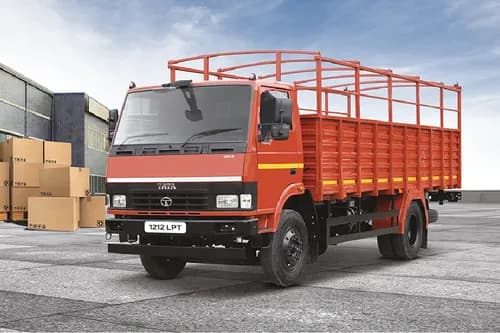
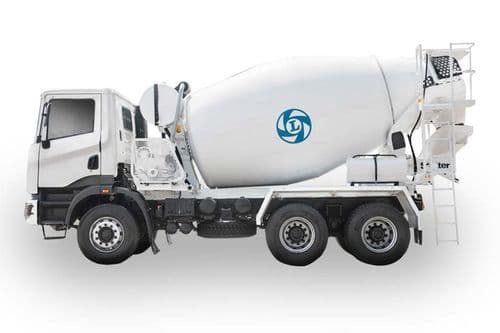
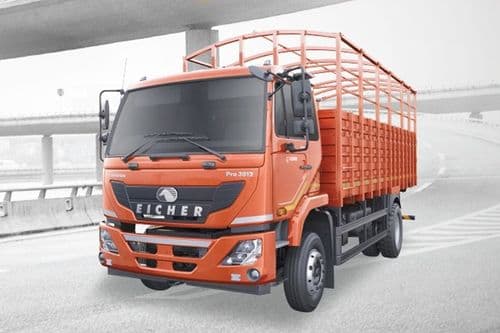
Adani Cement Deploys Heavy-Duty Electric Trucks for Cement and Clinker Transport
 Add CMV360 on Google
Adani Cement launches heavy-duty electric trucks at Sanghi Plant, targeting 410 vehicles by 2027 and over 2,000 by 2030 to reduce emissions and logistics costs.

By Robin Kumar Attri

Key Highlights
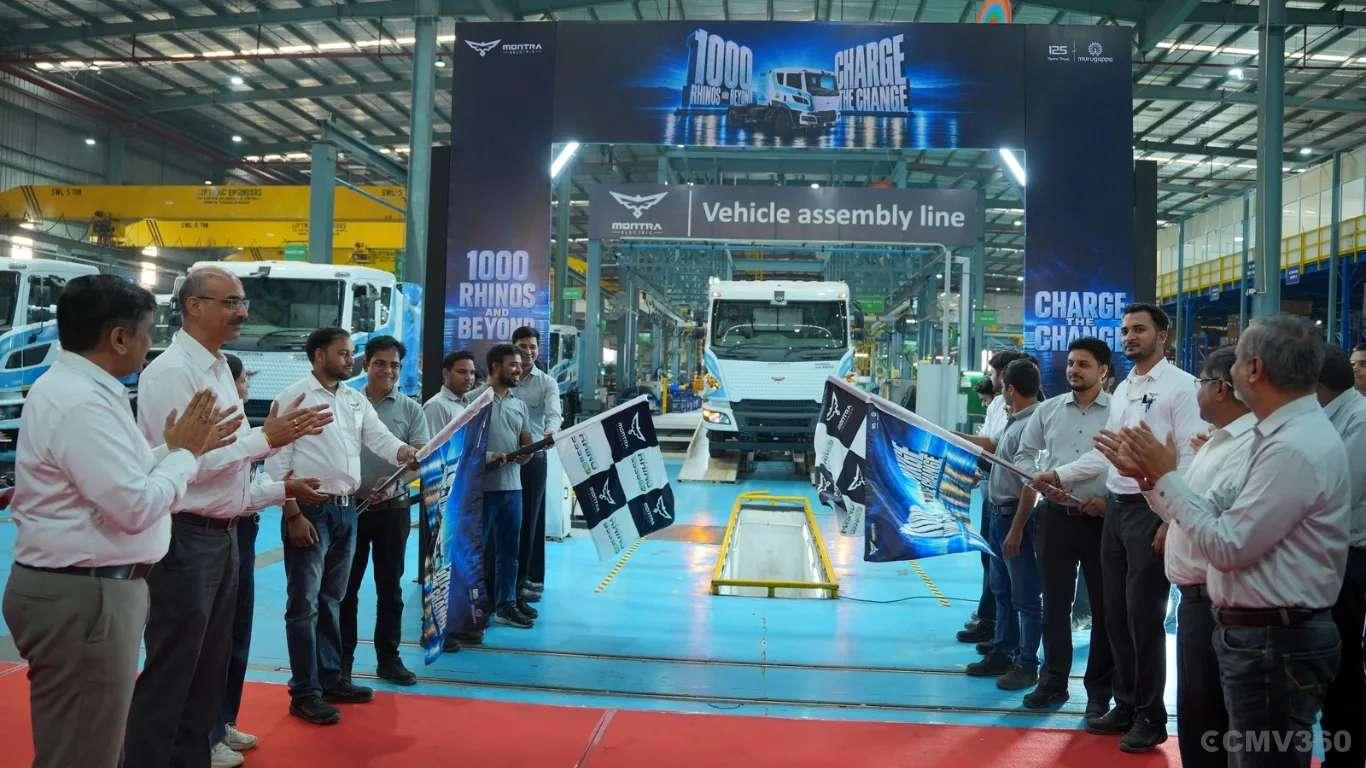
Adani Cement flags off its first heavy-duty electric trucks at Sanghi Plant, Gujarat.
Plans to deploy 410 electric trucks by March 2027.
Initial fleet expected to save diesel equivalent to 11 million litres annually.
Projected annual CO₂ emission reduction of over 25,000 tonnes.
Targets more than 2,000 electric trucks and 10% electric road logistics volume by 2030.
Adani Cement has taken its first major step towards electrifying its logistics operations by deploying heavy-duty electric trucks at its Sanghi Plant in Gujarat. The initiative marks the company's first-ever deployment of electric trucks and is part of its broader strategy to reduce transportation costs, lower carbon emissions and build more sustainable supply chains.
The deployment is an important development for India's cement industry, where transporting raw materials and finished products over long distances accounts for a significant share of logistics-related emissions. Through this initiative, Adani Cement aims to gradually replace diesel-powered trucks with electric commercial vehicles across multiple routes and manufacturing locations in the country.
As part of its first phase, the company plans to deploy 410 electric trucks by March 2027. It has also set a longer-term target of deploying more than 2,000 electric commercial vehicles by 2030.
Adani Cement Targets 410 Electric Trucks by March 2027
The electric truck deployment at the Sanghi Plant is the starting point of Adani Cement's wider green logistics programme. The company plans to introduce 410 heavy-duty electric trucks by March 2027 to transport cement and clinker.
According to the company, the proposed fleet of 410 electric trucks is expected to replace diesel consumption equivalent to approximately 11 million litres annually. It is also projected to reduce more than 25,000 tonnes of carbon dioxide emissions every year.
Looking beyond the initial deployment, Adani Cement aims to transport 10% of its total road logistics volume through electric trucks by 2030. To achieve this target, the company plans to expand its electric commercial vehicle fleet to more than 2,000 units.
The initiative will focus on routes used for transporting clinker and finished cement, with multiple locations across India already identified for future electric truck deployment.
Why Electric Trucks Make Economic Sense for India's Cement Industry
India is the world's second-largest cement producer, and its manufacturing operations depend on the regular transportation of limestone, clinker and finished cement across extensive supply networks.
However, this movement of materials has traditionally depended heavily on diesel-powered commercial vehicles, making logistics an important source of both operating expenses and carbon emissions.
The economics of heavy-duty electric trucks are becoming increasingly favourable. Over the past decade, diesel prices have increased by approximately 60%, while lithium-ion battery pack costs have declined by around 70%. Solar electricity tariffs have also fallen by approximately 47%.
These changes are improving the long-term business case for electric trucks, particularly for companies operating large fleets and transporting heavy materials over established routes.
For cement manufacturers, switching to electric trucks can help reduce dependence on diesel, improve protection against fuel price fluctuations and support more predictable transportation costs.
Electric Trucks to Support Scope 3 Carbon Emission Reduction
Apart from financial benefits, Adani Cement's electric truck programme is expected to contribute significantly to its environmental targets. A conventional diesel truck produces approximately 0.7375 kg of carbon dioxide per kilometre. In comparison, electric trucks powered entirely by renewable electricity can eliminate up to 100% of direct freight emissions associated with diesel-powered transportation.
This makes the transition to electric commercial vehicles an important step towards reducing Scope 3 emissions, which include indirect emissions generated across a company's value chain, including transportation and logistics activities. With its planned 410-truck fleet, Adani Cement expects to avoid more than 25,000 tonnes of CO₂ emissions annually. The company intends to expand this effort across additional routes and plants as its electric logistics network grows.
Vinod Bahety Highlights Adani Cement's Green Logistics Strategy
Commenting on the deployment, Mr. Vinod Bahety, CEO - Cement Business, Adani Group, said that the introduction of electric trucks at Sanghi Plant was only the beginning of the company's electrification journey. He highlighted that Adani Cement has identified multiple routes across India for transporting clinker and cement through electric vehicles. According to him, every electric truck added to the fleet will help reduce the company's carbon footprint while protecting its logistics cost base from diesel price fluctuations.
Bahety further described the initiative as smart sustainability, explaining that it delivers benefits for people, the environment and the company's financial performance. He added that the deployment reflects Adani Cement's commitment to becoming a greener and more competitive cement business while supporting India's growth and protecting its future.
Adani Cement's Electric Truck Expansion: What Lies Ahead?
The deployment of heavy-duty electric trucks at Sanghi Plant represents an important step towards bringing electric commercial vehicles into India's large-scale industrial transportation operations. With an initial target of 410 electric trucks by March 2027 and more than 2,000 vehicles by 2030, Adani Cement is looking to make electric transportation a larger part of its logistics network.
The company's focus on reducing diesel consumption, controlling transportation costs and lowering freight-related emissions also highlights the growing role of electric trucks in India's cement and heavy-duty transportation sectors. Its upcoming deployments across additional routes and plants will be important in determining how quickly this transition can scale.
Also Read: PepsiCo India Offers Long-Term Contracts to Make Electric Trucks Viable for Transporters
CMV360 Says
Adani Cement's first electric truck deployment at Sanghi Plant marks a significant move towards cleaner industrial transportation. With plans for 410 trucks by March 2027 and over 2,000 by 2030, the company is combining emission reduction with long-term logistics savings. The initiative could also encourage wider adoption of heavy-duty electric vehicles across India's cement industry, where transportation efficiency and sustainability are becoming increasingly important.

Robin Kumar Attri is a content and video professional with 2.7 years of experience in the commercial vehicle d .....