Tractors
Trucks
- Find by Budget
- Find by Type

English
 New Delhi
In this article, we will discuss Fuel pumps and their types to help you better understand the technology behind tractor fuel pumps.

By Priya Singh
Fuel pumps are a vital component of tractor engines in India, ensuring that they run efficiently and reliably. In this article, we will highlight the role of fuel pumps and the pros and cons of their types.
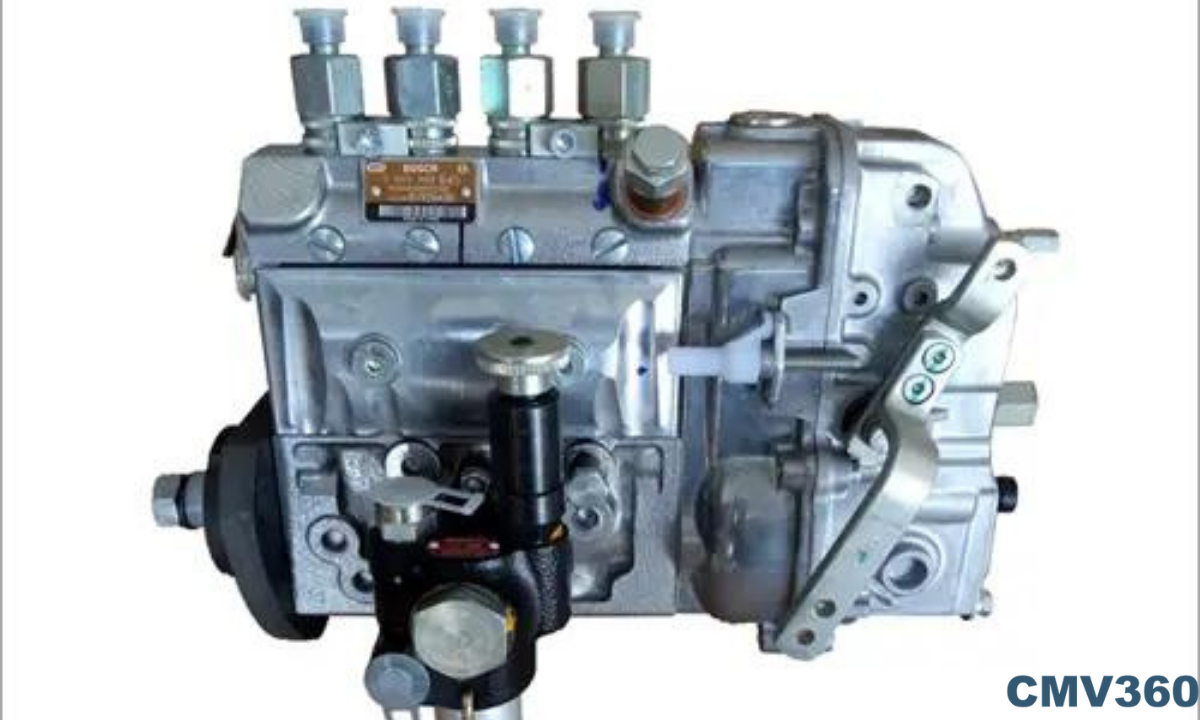
Fuel pumps are the heart of any diesel engine, including those found in tractors. These fuel pumps are responsible for delivering the right amount of fuel to the engine, ensuring it runs smoothly and efficiently.
In tractors, you will find three main types of fuel pumps: the inline fuel pump, the rotary fuel pump, and the Common Rail Direct Injection fuel pump. Each of these pumps has its own unique characteristics, advantages, and applications. In this article, we will discuss Fuel pumps and their types to help you better understand the technology behind tractor fuel pumps.
The fuel pump in a tractor is responsible for delivering fuel from the fuel tank to the engine. Here are the primary functions of a fuel pump in a tractor:
Fuel Filtration: Some tractor fuel pumps also have a fuel filter. A fuel filter helps to remove impurities, debris, and contaminants from the fuel before it reaches the engine. Clean fuel is essential for preventing engine damage and maintaining performance.
Fuel Delivery: The fuel pump takes fuel from the tractor's fuel tank and sends it to the engine's fuel system. This ensures a steady and consistent supply of fuel to the engine for combustion.
Engine Performance: A properly functioning fuel pump is crucial for maintaining the tractor's engine performance. It ensures that the engine receives the right amount of fuel to produce power and torque as needed for various tasks.
Cold Starting: Fuel pumps also play a role in the tractor's cold start process. They help the fuel system, making it easier for the engine to start in cold weather conditions.
Fuel Pressure Regulation: Fuel pumps often have a built-in pressure regulator to maintain a consistent and optimal fuel pressure. Proper fuel pressure is essential for the engine to run efficiently and smoothly.
Overall, the fuel pump in a tractor is a critical component that ensures the engine receives a consistent and clean fuel supply, which is essential for the tractor's reliable operation and efficiency in various agricultural and industrial tasks.
Also Read: Types of Diesel Trucks Engine
Mainly there are three types of fuel pumps: inline fuel pumps, rotary fuel pumps, and CRDI fuel pumps. Each type of fuel pump operates slightly differently, but they all serve the same purpose: to transport fuel through the system and into the combustion chamber of the engine. We will discuss all these three fuel pumps in detail.
Inline Fuel Pump
The inline fuel pump, also known as the distributor-type fuel injection pump, is a traditional and reliable system used in older tractor models. This pump is located outside the engine and is driven by a camshaft. It works by distributing pressurized fuel to each individual cylinder through a series of mechanical components, such as a distributor rotor and delivery valves.
Advantages of Inline Fuel Pump
Drawbacks of Inline Fuel Pump
Rotary Fuel Pump
Rotary fuel pumps, also referred to as rotary distributor pumps, are another common type of fuel pump in tractors. These pumps are driven by the engine's camshaft and rely on a rotating element, typically a rotor or vane, to distribute fuel to the engine cylinders.
Rotary fuel pumps have circular output lines. It includes a distributor with a single plunger for all cylinders that is turned by a drive shaft.
When the distributor of the rotary fuel pump is wrapped around the pump shaft, the plunger pumps all of the fuel into each cylinder. As the pump shaft rotates, the plunger alternately pushes fuel through the cylinders in accordance with the ignition timing.
Advantages of Rotary Fuel Pump
Drawbacks of Rotary Fuel Pump
CRDI Fuel Pump
CRDI is an abbreviation for Common Rail Direct Injection. Common Rail Direct Injection, is a more advanced and modern fuel injection technology commonly used in tractors and other diesel-powered vehicles. Instead of relying on a camshaft, CRDI pumps use a high-pressure common rail system that delivers fuel to the injectors independently for each cylinder.
CRDI Fuel Pumps are the most efficient diesel fuel pumps available in a tractor. Most tractors with 50+ HP power output now use CRDI fuel pumps. Tractor manufacturers in India have to meet Trem IV emission standards. Nowadays, if you buy a tractor in India, it will come with a CRDI Fuel Pump.
A CRDI fuel pump in a tractor runs precisely to provide fuel to the engine. The tractor's fuel tank supplies diesel to the high-pressure fuel rail through a low-pressure fuel pump. The CRDI system maintains constant high pressure in the fuel rail, ensuring that the injectors receive consistent fuel delivery.
When the tractor's engine management system determines that fuel injection is required, it sends signals to the injectors, which open and release a precisely metered amount of high-pressure fuel into the engine's combustion chambers.
Advantages of CRDI Fuel Pump
Drawbacks of CRDI Fuel Pump
Also Read: Tips for Fuel Conservation While Operating Your Tractor
Conclusion
Fuel pumps are a vital component of tractor engines, ensuring that they run efficiently and reliably. The choice of fuel pump type depends on the tractor model, the purpose of the tractor, and the budget. While inline and rotary fuel pumps have been trusted for years and continue to serve their purpose in many agricultural settings, CRDI fuel pumps represent the future of tractor technology with their enhanced precision, fuel efficiency, and reduced emissions.
Whether you prefer the simplicity of traditional pumps or the innovation of CRDI, understanding the various fuel pump types is essential for maintaining and optimizing tractor performance in the ever-evolving agricultural industry.

About the author
Hi there! I'm Priya. From trucks to vans and everything in between, I'm here to provide you with up-to-date information, expert analysis, and actionable insights. Let's navigate the world of commercial vehicles together!





 Add CMV360 on Google