Digital changes to the transportation ecosystem are advantageous for Tata Motors.
 Add CMV360 on Google
Traditionally, automakers have been involved in the processes of building automobiles, selling them to customers, and providing servicing to those customers. Tata Motors is moving beyond that in today's digital age.

By Priya Singh
Traditionally, automakers have been involved in the processes of building automobiles, selling them to customers, and providing servicing to those customers. Tata Motors is moving beyond that in today's digital age.
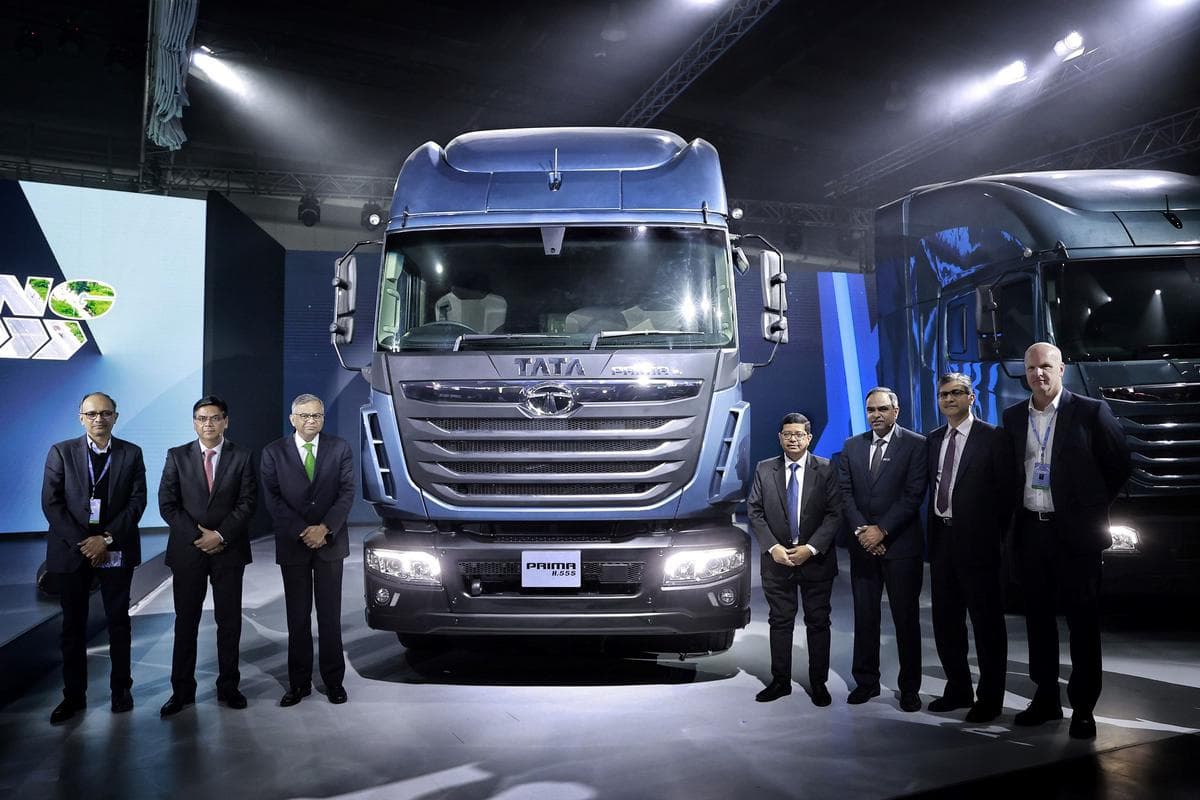
Tata Motors is improving its products, it is rapidly transforming its enterprise structure into a more versatile, trendy digital platform, in addition to using various digital and know-how features.
Normally, a consumer buys a vehicle for a variety of reasons and expects to have a specific type of experience with it. According to Gopinath Jayaraj, CIO of Tata Motors, the company is looking more in-depth at what customers are experiencing when using the products and figuring out how to improve the same.
Tata Motors, founded in 1945, is India's largest automotive manufacturer, with a revenue of Rs 2.82 lakh crores and over 75,000 employees.
Also Read: ADAS Improves Road Safety and Efficiency of Commercial Vehicles: Benefits and Drawbacks
For some years, Tata Motors has been transforming its enterprise structure, allowing it to better understand and optimize buyer behaviour.
In the present era, Tata Motors has a number of vehicles. The digital know-how incorporated throughout the product allows the customer to experience it whether or not they are inside the automobile.
The linked module placed within the vehicle transfers data to its digital ecosystem via the cloud, and eventually to the customer's application. The customer can then see a variety of related information about the automobile, such as its remaining charge and range, its position, the nearest servicing centre and charging station, and so on. Customers can also remotely issue commands such as turning on the air conditioning and unlocking the vehicle.
Tata Motors also introduced Fleet Edge, a related vehicle solution for fleet management. The solution assists clients in improving their business operations through journey management, expense management, and maintenance planning. Almost 180K Tata CVs with these improved connectivity possibilities are currently on Indian roads.
Using the spares ecosystem to overcome transporter complexity
Transporters rely on their vans to be on the road nearly 24 hours a day, seven days a week to make a living. When a vehicle breaks down and goes off-road due to mechanical issues, it causes a problem for transporters because supply is delayed, thus lowering customer satisfaction.
While Tata Motors has a large dealership network across the country, vans may experience mechanical failure at a remote places in some cases.
Tata Motors, as a commercial vehicle manufacturer that appreciates its customers' success, recognized this issue and hastened the process of assisting truck owners by getting the spare and mechanic to the correct location to get it repaired.
E-Dukaan
The manufacturer has digitized its customer support and spare parts ecosystem. The company's online spare parts market is called E-Dukaan, and the Bandhu app connects drivers and truck owners with roadside garages and mechanics.
Bandhu program connects the company's mechanic ecosystems, allowing customers to create task cards on the fly and obtain spares online. The E-Dukaan initiative earned Rs 100 crores in FY22.
### DigiVOR
Digi-VOR does an automatic search of all spare parts inventories held by Tata Motors through dealer distributors and authorized service centres in the neighbourhood of that vehicle.
The firm also allows the back-end system to place an order for that part so that it gets put into the hands of the mechanic and they may bring it to the vehicle as soon as feasible.
This strategy resulted in a 78% reduction in the time it took for the vehicles to return to the road.
Tata Motors is able to boost customer satisfaction by ensuring the vehicle is quickly back on the road thanks to this digital intervention. At the same time, it allows the manufacturer to ensure the sale of a genuine spare part to a buyer who may otherwise have purchased any spare available on the grey market.

Hi there! I'm Priya. From trucks to vans and everything in between, I'm here to provide you with up-to-date in .....