Tractors
Trucks
- Find by Budget
- Find by Type

English
 New Delhi
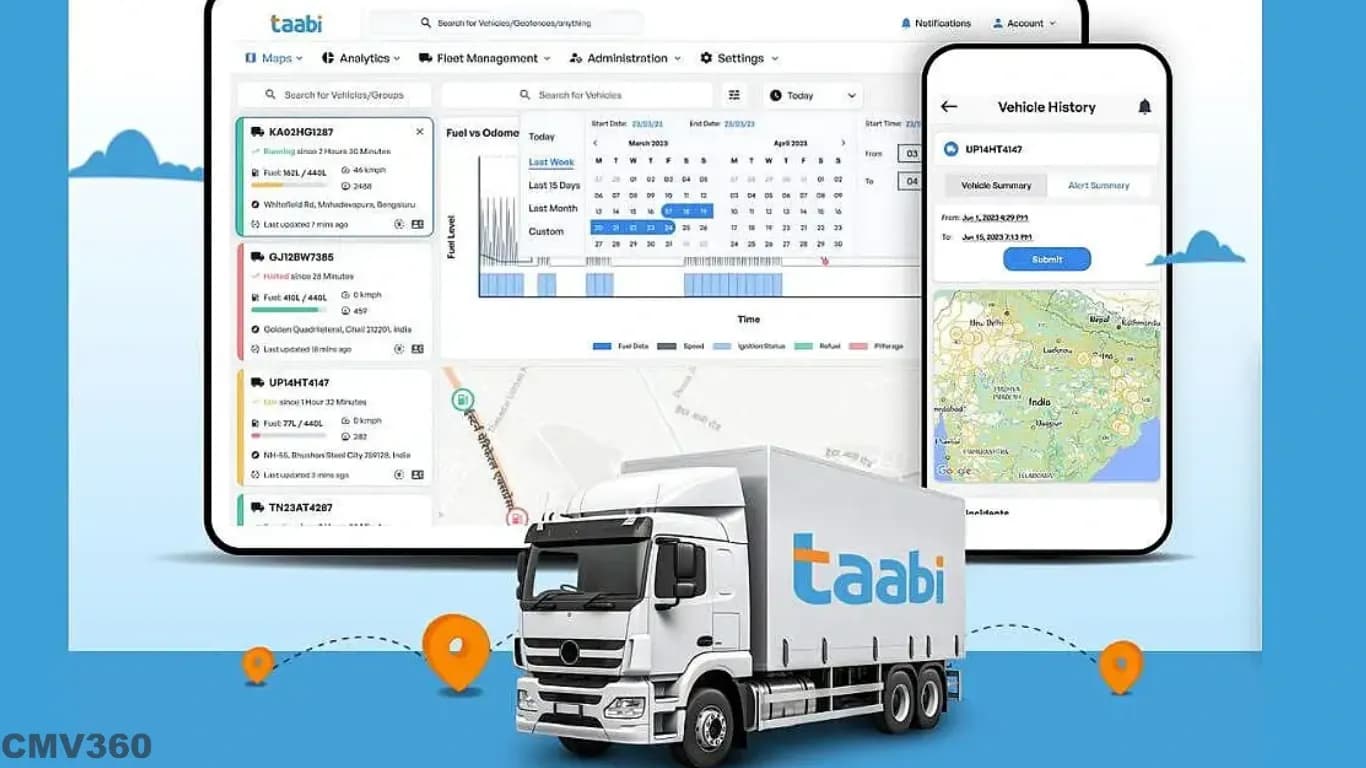
Taabi’s technology improves route planning by analyzing road conditions and driving habits.

By Priya Singh
Key Highlights:
A journey must be smooth, efficient, and well-planned travel. Taabi.ai, an AI-driven technology company, follows this idea. Its name comes from the Japanese word for ‘journey’ and reflects a focus on perfection and precision. The company uses advanced technology to improve mobility, logistics, and transportation, providing smart solutions that boost profits, efficiency, and sustainability.
Taabi is dedicated to transforming fleet management and transportation logistics. Using machine learning, data analytics, and real-time processing, the company streamlines complex transport systems. This helps fleets, public transport, and logistics providers operate more efficiently, cut costs, and improve the overall experience.
Fuel Cost Optimization
Taabi.ai focuses on making logistics more efficient, with fuel cost optimization as a top priority. CEO Pali Tripathi highlighted how their AI-driven platform reduces fuel expenses by preventing theft, guiding drivers to cheaper fuel stations, and calculating the best refueling levels for maximum savings.
Besides cutting fuel costs, Taabi’s technology improves route planning by analyzing road conditions and driving habits. It also geofences high-risk areas to prevent fuel theft and unauthorized stops. 'We identify fuel theft hotspots and help fleets avoid them. Poor roads and inefficient driving increase costs, so we provide real-time insights to improve performance,' Tripathi explained.
Personalized Maintenance Strategies
Fleet optimization goes beyond just fuel savings—other factors are key to improving long-term efficiency. Traditional maintenance plans from OEMs often overlook real-world conditions like vehicle use, load type, age, and road conditions. Taabi’s AI platform tailors maintenance strategies based on factors like driving habits, tyre pressure, and wear and tear on parts. This personalized approach helps reduce the total cost of ownership (TCO) significantly.
Improved Productivity Tracking
Taabi also focuses on productivity tracking to make sure vehicles perform their tasks efficiently. Using sensor-based insights, the platform monitors equipment like cement mixers, excavators, and lifts, ensuring minimal downtime and compliance. For temperature-sensitive goods like vaccines or perishables, it maintains stable transport conditions to reduce waste and maintain quality.
Another key area is process optimization, which aligns fleet operations with business goals such as meeting loading/unloading Service Level Agreements (SLAs), improving warehouse turnaround times, and enhancing control tower logistics.
Faster movement of goods lowers costs, boosts sustainability, and improves decision-making, even supporting the transition to electric vehicles. Unlike traditional fleet software, Taabi offers actionable intelligence, helping businesses maximize efficiency, improve safety, and promote sustainability.
Overcoming Resistance to Change in Logistics
The logistics industry faces many challenges, including high risks and resistance to change. While technology offers potential for efficiency and cost savings, obstacles like misconceptions, concerns about the workforce, and traditional practices slow down adoption. Operators often worry that digital transformation will disrupt their workforce or require more employees, making them hesitant to innovate.
Taabi’s success in overcoming these challenges lies in its personalized approach. As Tripathi explained, their solutions are not one-size-fits-all. Instead, they are tailored to different stakeholders—owners, operations managers, drivers, and supply chain heads—each receiving insights that are most relevant to their role.
Driver Incentives and Collaboration
A major issue in logistics is the driver shortage. There are only 60 drivers are available for every 100 vacancies. The profession has long been tough and underappreciated, with little improvement in driver welfare, causing many to leave for other jobs. At the same time, fuel theft, whether through pilferage or unauthorized sales, remains a common problem. Fleet owners face a tough choice: accept losses or risk losing drivers.
Taabi, however, saw the bigger picture. They realized that drivers don’t want to steal. They view their trucks as vital, with their families depending on them. But economic pressures often limit their options. Recognizing this, Taabi reworked the incentive structure, offering drivers the chance to earn more by improving efficiency instead of focusing on penalties. By improving fuel efficiency by 10-15%, Taabi has created enough savings to increase driver salaries while also boosting fleet profitability.
Drivers who previously sold fuel on the grey market often earned only a small fraction of its value, resulting in financial losses. By aligning incentives, Taabi transformed a system of conflict into one of collaboration, benefiting both fleet owners and drivers through optimization instead of confrontation.
Also Read: DHL and Scania are testing electric trucks with fuel-powered range extender
Additionally, eliminating fuel adulteration reduces long-term maintenance costs, further improving profitability. In one fleet, initial doubts quickly turned into strong demand, with adoption growing from 250 vehicles to 700. Drivers themselves preferred vehicles with Taabi’s technology, recognizing its clear financial and operational advantages.

About the author
Hi there! I'm Priya. From trucks to vans and everything in between, I'm here to provide you with up-to-date information, expert analysis, and actionable insights. Let's navigate the world of commercial vehicles together!




 Add CMV360 on Google