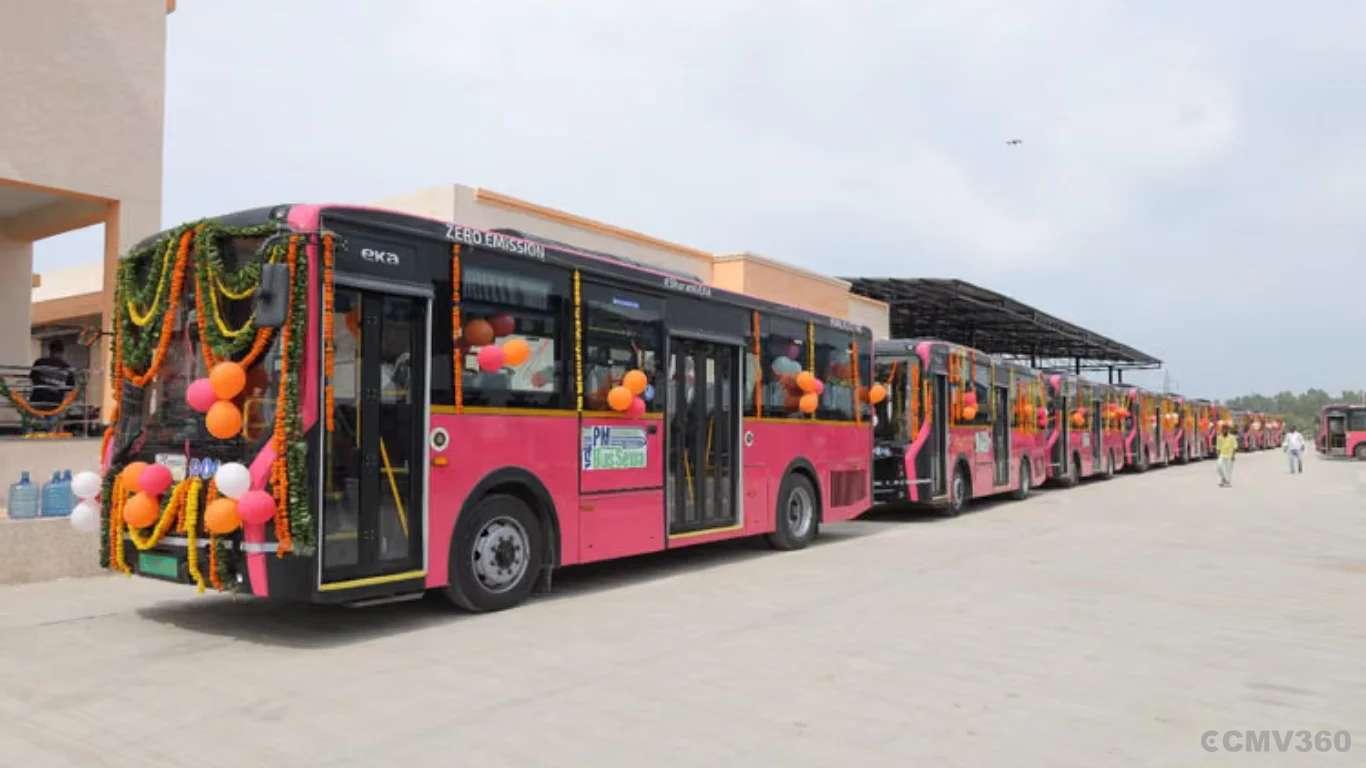
India Sets Standards for Swappable Electric Bus Batteries
 Add CMV360 on Google
To support the transition to 800,000 electric buses by 2030, an investment of Rs 1.5 trillion ($18 billion) will be needed.

By Priya Singh
Key Highlights:
- India is setting standards for swappable e-bus batteries to improve efficiency and reduce range anxiety.
- As of July 2024, 8,583 electric buses are registered, with plans to replace 8,00,000 diesel buses by 2030.
- Consistent battery requirements are being developed to boost electric bus adoption.
- Government programs support electric buses, but private sector adoption remains low.
- Rs 1.5 trillion ($18 billion) is needed for infrastructure to support 8 lakh electric buses by 2030.
India is focusing on developing standards for swappable electric bus batteries. This initiative aims to ensure the batteries are interchangeable and convenient to change, reducing range anxiety and improving overall efficiency. This move will help overcome infrastructural limitations while boosting the performance of electric buses.
Rise in Electric Bus Registrations
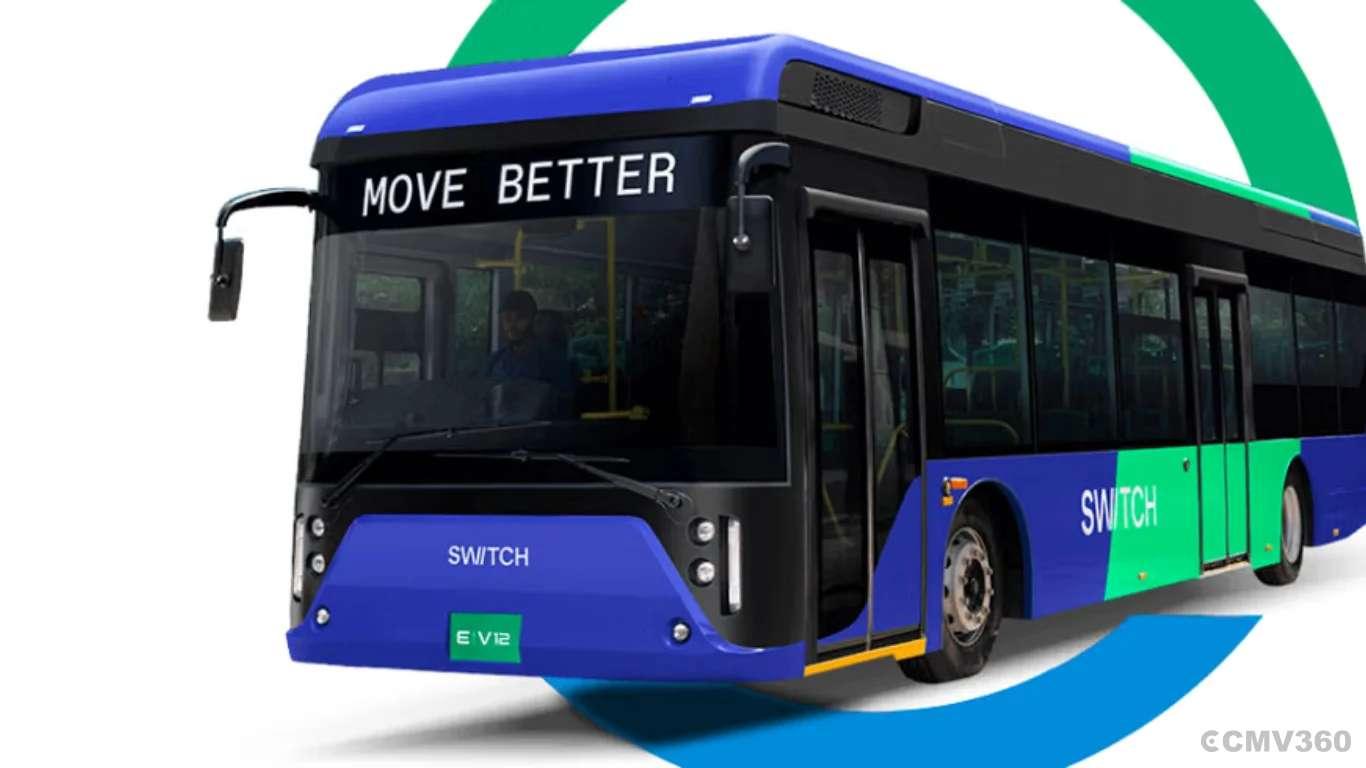
As of early July 2024, India has registered 8,583 electric buses. The central government plans to replace the existing 800,000 diesel buses with electric ones by 2030. This means the number of electric buses in India is expected to rise sharply.
To support this, the government intends to establish consistent battery standards for electric buses in India, which will further encourage their adoption.
Battery Swapping Policy and Private Sector Adoption
The NITI Aayog’s draft Battery Swapping Policy currently focuses on electric two- and three-wheelers. However, the introduction of universal battery standards for electric buses in India is expected to improve interoperability and encourage battery swapping in the e-bus market.
Despite national programs like PM e-Bus Sewa, FAME, and the National Electric Bus Programme, which have helped State Transportation Undertakings (STUs) increase their electric bus fleets, adoption in the private sector remains low. Well-established private operators with sufficient funding have been slow to embrace electric buses.
Government Support and Infrastructure Requirements
STUs currently receive central government subsidies to purchase electric buses under Gross Cost Contracts (GCC), which cover bus supply, operation, charging infrastructure, maintenance, and driver costs.
The International Council on Clean Transportation (ICCT) and NITI Aayog have explored battery swapping for electric two-wheelers in India, providing a framework for examining this option for private buses.
Charging Infrastructure and Investment
All-electric buses in India are charged via plug-in. A full charge typically takes 20–40 minutes with DC fast charging or 6–8 hours with slow charging. To support the transition to 800,000 electric buses by 2030, an investment of Rs 1.5 trillion ($18 billion) will be needed.
This includes developing power and upstream infrastructure across cities and intercity routes, with major charging stations planned every 100 kilometers along highways.
National Battery-Swapping Strategy
Nirmala Sitharaman, Union Finance Minister, recommended a national battery-swapping policy with compatibility requirements in the Union Budget 2022-23. This strategy aims to facilitate the adoption of electric buses by making battery swapping more convenient and efficient.
Also Read: Electric Buses Sales Report June 2024: PMI Electro Mobility Emerges as Top Choice for E-Buses
CMV360 Says
The push for standardizing swappable batteries for electric buses is a crucial step towards a greener and more efficient public transportation system in India. While the government's efforts and subsidies have boosted electric bus adoption among STUs, more initiatives are needed to encourage private operators to join the transition.
Investing in robust charging infrastructure and universal battery standards will be essential to meet the ambitious goal of 800,000 electric buses by 2030.

Hi there! I'm Priya. From trucks to vans and everything in between, I'm here to provide you with up-to-date in .....