India Set to Accelerate EV Policy with Three Major Schemes
 Add CMV360 on Google
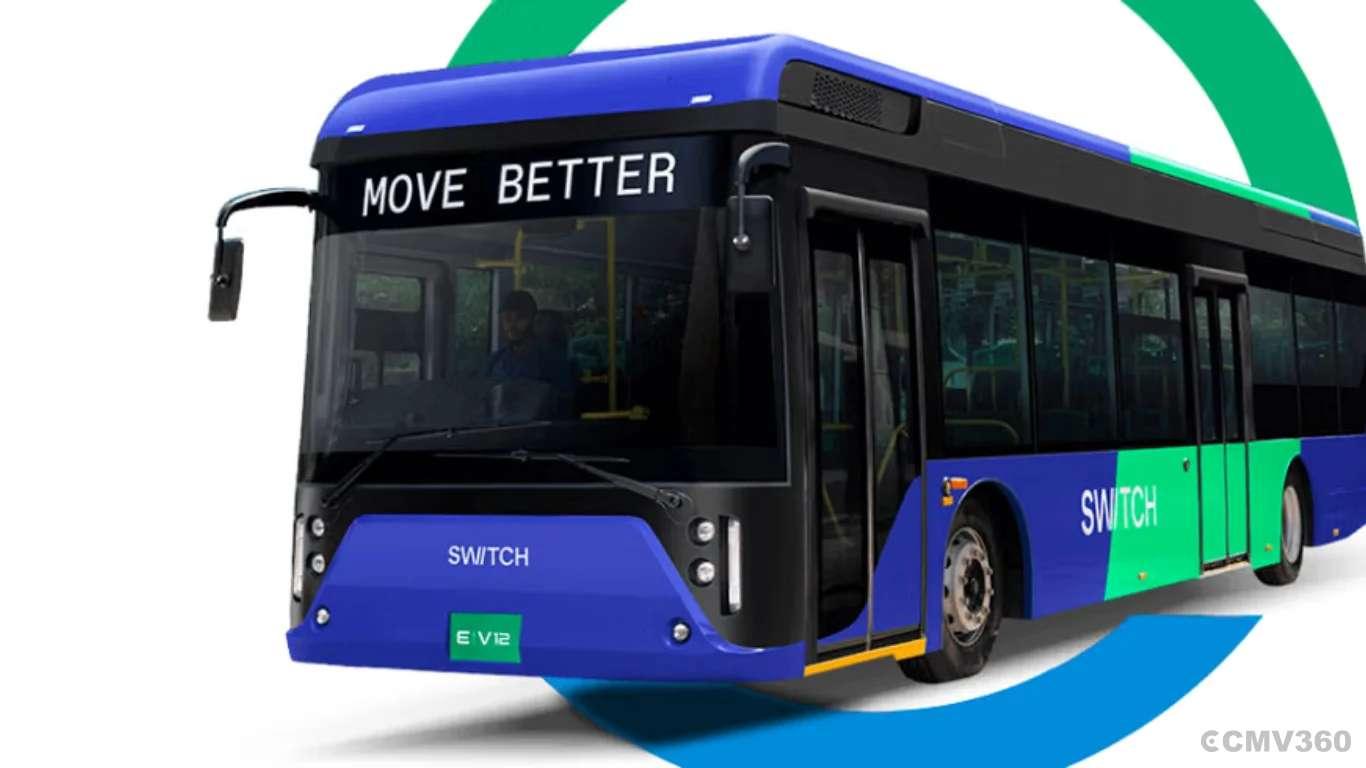
The priority is to electrify buses and increase the number of electric buses on the road.

By Priya Singh
Key Highlights:
- The government will review major EV schemes in the first 100 days to boost adoption and manufacturing.
- Focus areas include advanced technology, local battery production, and faster electric bus procurement.
- 10 GWh capacity will be allocated for advanced battery manufacturing under the PLI ACC scheme.
- The new FAME 3 scheme aims to increase subsidized electric buses.
- Rs 3,620 crore is budgeted to assist battery companies, with 10 GWh tenders to be issued soon.
Electric vehicles will receive a boost in the country as the central government begins assessing all significant schemes linked to the adoption and manufacturing of electric vehicles during the first 100 days of its tenure and makes important decisions on these schemes.
Significantly, the number of electric vehicles is growing rapidly, and people are accepting them. The government is also rapidly promoting electric vehicles in the country to achieve the country's objective of zero carbon emissions.
Aside from manufacturing, advanced technology, local battery manufacture, and speedier procurement of electric buses by the public transportation network are expected to accelerate the government's three major plans.
The government is also providing subsidies for innovative battery cell manufacturers. According to sources, one of the ideas being reviewed for approval is the allocation of 10 GWh capacity under PLI ACC (Production Linked Incentive Scheme for Advanced Chemistry Cell) for the establishment of local advanced battery manufacturing companies.
It will give interest-free capital to vehicle manufacturers while also assisting in the establishing of a facility for the comprehensive procurement and deployment of power. Apart from that, the government will monitor and evaluate the Faster Adoption and Manufacturing (FAME 3) subsidy scheme for buses and electric vehicles.
A senior official stated that the government is working swiftly to achieve zero carbon emissions and promote green mobility. The Prime Minister will chair a meeting with secretaries of all ministries later this month to include PLI, EMPS, and FAME 3 in the 100-day agenda.
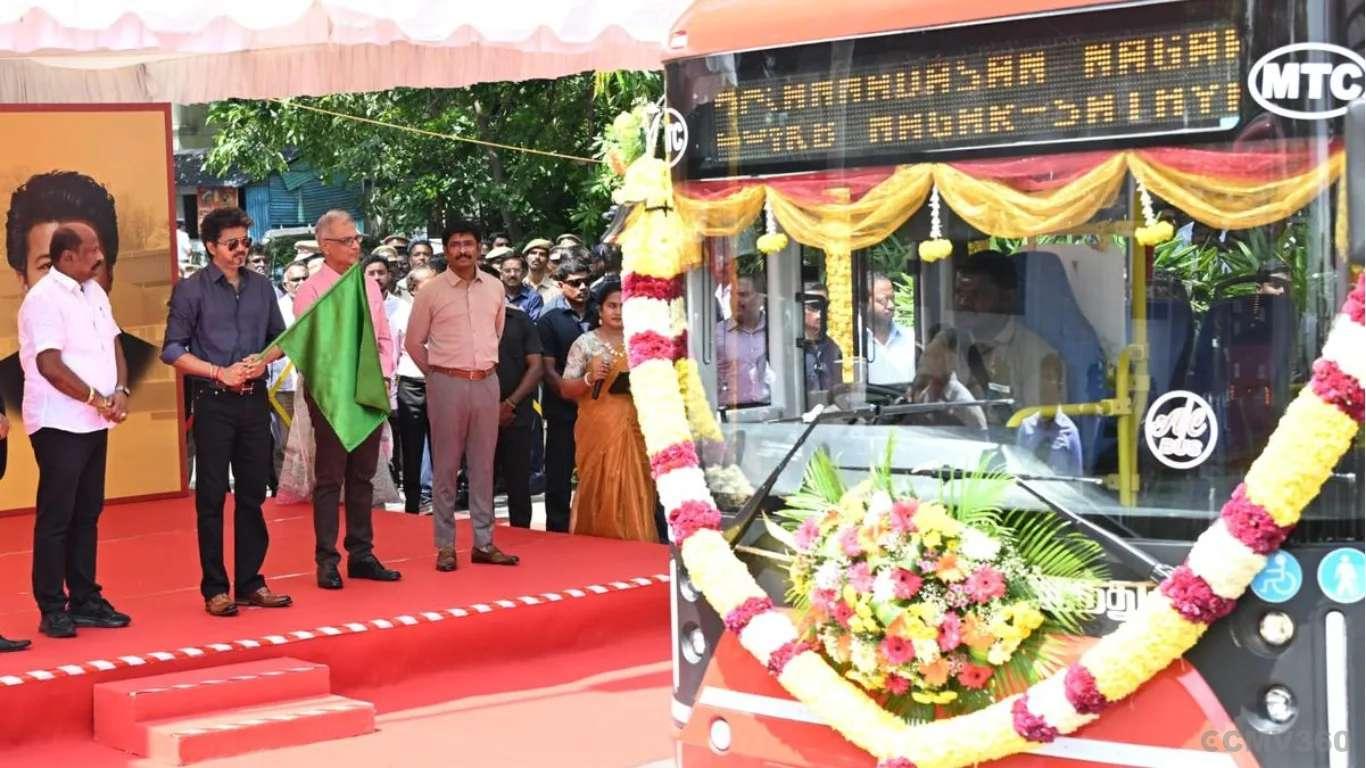
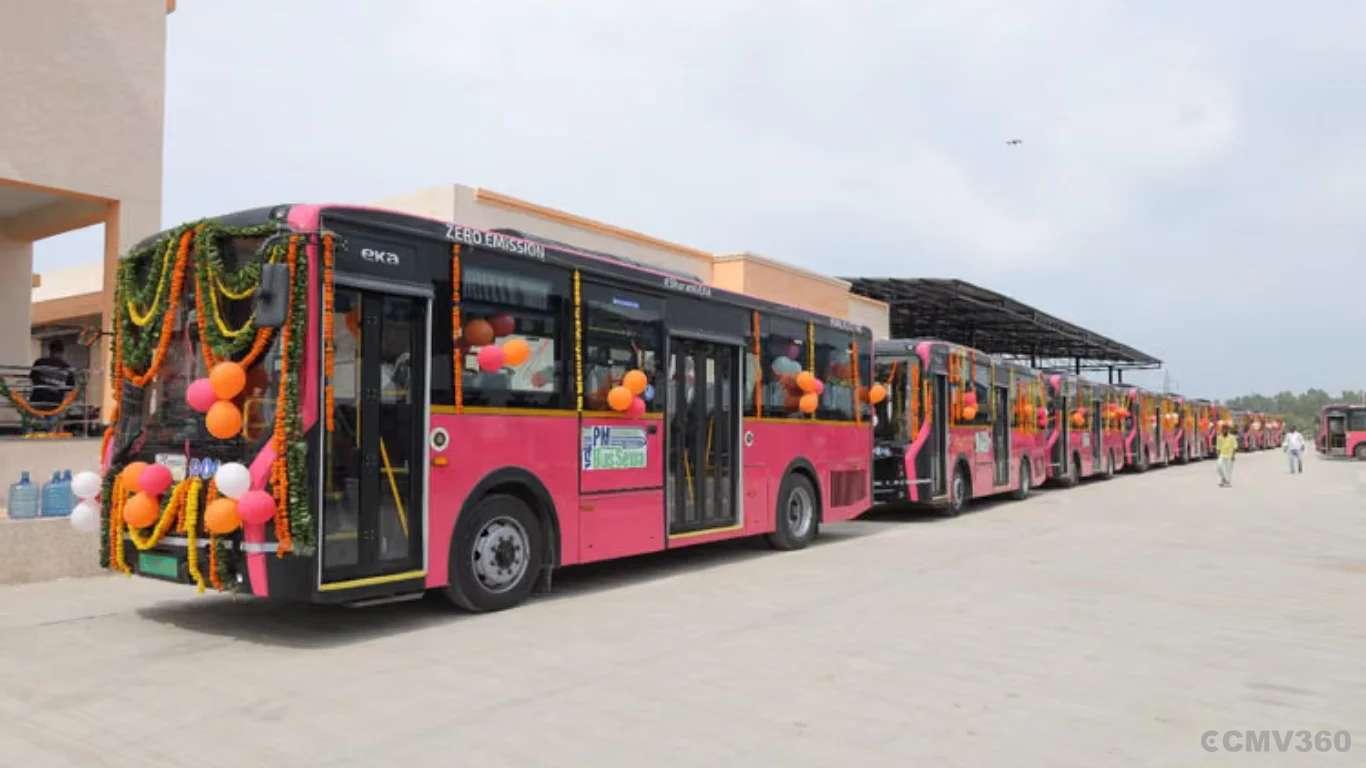
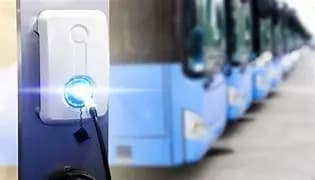
The priority is to electrify buses and increase the number of electric buses on the road. Under FAME 2, the government encouraged the procurement of 7,000 electric buses, and the new scheme will further increase the number of subsidized electric buses.
Battery Manufacturing Efforts
The government is also making joint efforts to manufacture batteries so that more might be produced in the country itself. The initiative requires the Centre to help battery firms with a financial outlay of Rs 3,620 crore. The government has received seven bids to reallocate 10 GWh of capacity.
These companies will soon get tenders. The pre-bid consultation in February was attended by 18 companies, including Reliance Industries and JSW Neo Energies. Local battery manufacturing is essential for lowering electric vehicle costs.
Also Read: Electric Buses Sales Report June 2024: PMI Electro Mobility Emerges as Top Choice for E-Buses
CMV360 Says
The government's plan to review and boost EV schemes is a good move towards zero carbon emissions. By focusing on local battery production and more electric buses, the government supports green mobility and local businesses. This approach will speed up the shift to electric vehicles and help the environment.

Hi there! I'm Priya. From trucks to vans and everything in between, I'm here to provide you with up-to-date in .....