Government Exempts Import Duties on key parts for EV batteries and Mobile Phone
 Add CMV360 on Google
India will remove import duties on 35 items used in making EV batteries and 28 items used in mobile phone manufacturing.

By Priya Singh

Key Highlights:
- No import duties on EV battery and mobile phone materials.
- The move aims to boost domestic production and exports.
- 35 EV batteries and 28 mobile phone items were exempted.
- India to cut tariffs on $23 billion U.S. imports.
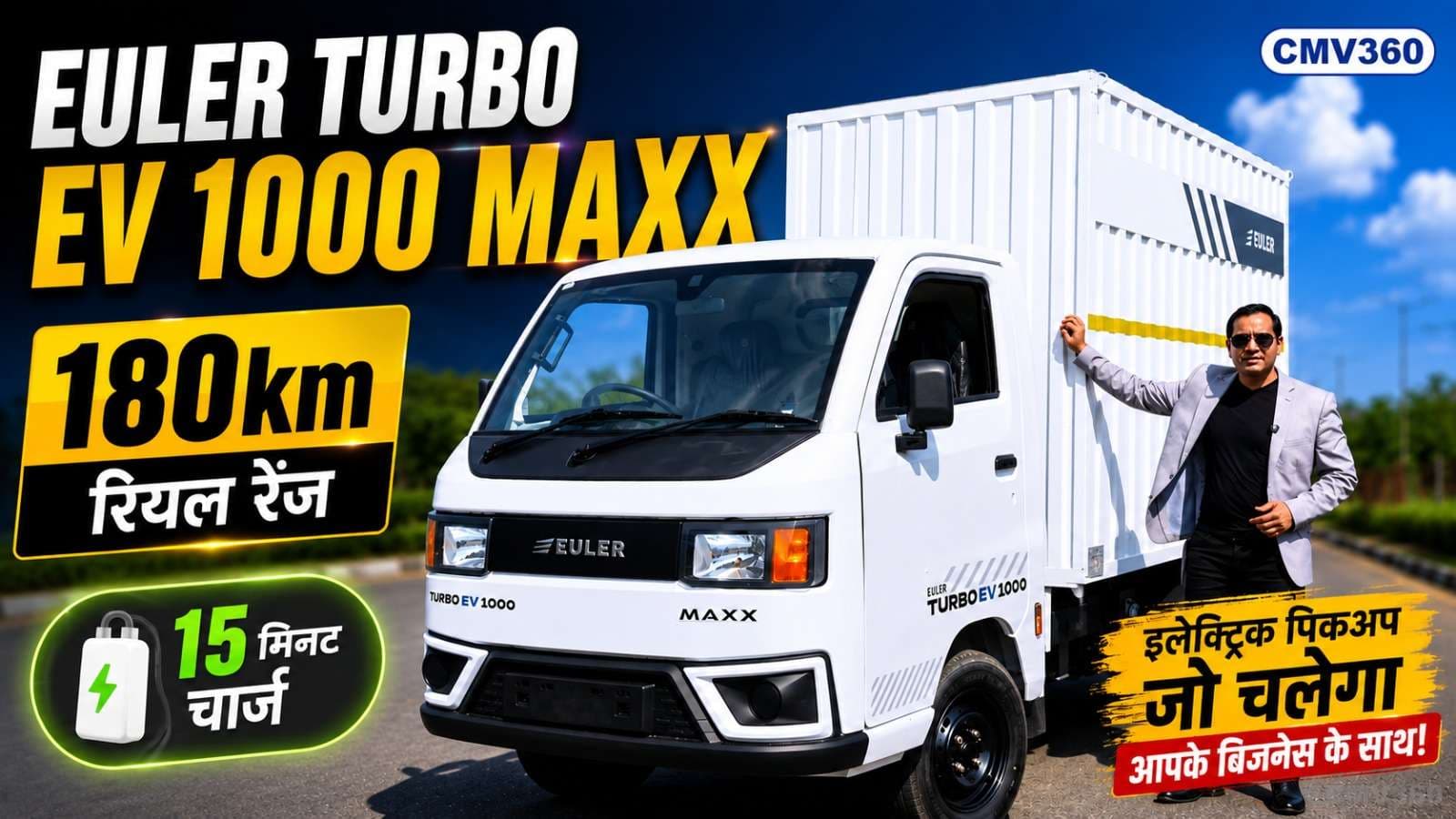
- Lower EV costs, less pollution, and industry growth.
The government announced that there will be no import duties on certain materials used to make electric vehicle batteries and mobile phones. This is part of a plan to lower tariffs and support local manufacturers as they face possible U.S. trade restrictions. The government is taking steps to reduce the impact of U.S. President Donald Trump's reciprocal tariffs, which will take effect on April 2.
"Our goal is to increase domestic production and make exports more competitive by cutting duties on raw materials," said Finance Minister Nirmala Sitharaman before the Finance Bill 2025 vote in parliament. India will remove import duties on 35 items used in making EV batteries and 28 items used in mobile phone manufacturing, Finance Minister Nirmala Sitharaman said.
India and the U.S. are in talks to resolve tariff issues and work on a bilateral trade agreement. Removing import duties on materials for EV batteries and mobile phones can create more job opportunities in India. With lower manufacturing costs, companies might need to hire more workers to produce these products. This could also lead to the development of new training programs where people can learn the skills needed for jobs in the EV and mobile phone industries.
According to Reuters, government sources revealed that India plans to lower tariffs on $23 billion worth of U.S. imports in the first phase of the trade deal. Earlier, an Indian parliamentary committee had suggested reducing tariffs on raw materials to support local manufacturers.
Benefits of Removing Import Duty on EV Batteries
The removal of import duty on EV batteries is expected to bring several advantages:
Lower EV Prices: Reduced battery costs will directly decrease the overall price of electric vehicles, which will make them more affordable and increase sales in India.
Less Pollution: As more people switch to EVs, pollution from petrol and diesel vehicles will decrease and directly lead to cleaner air.
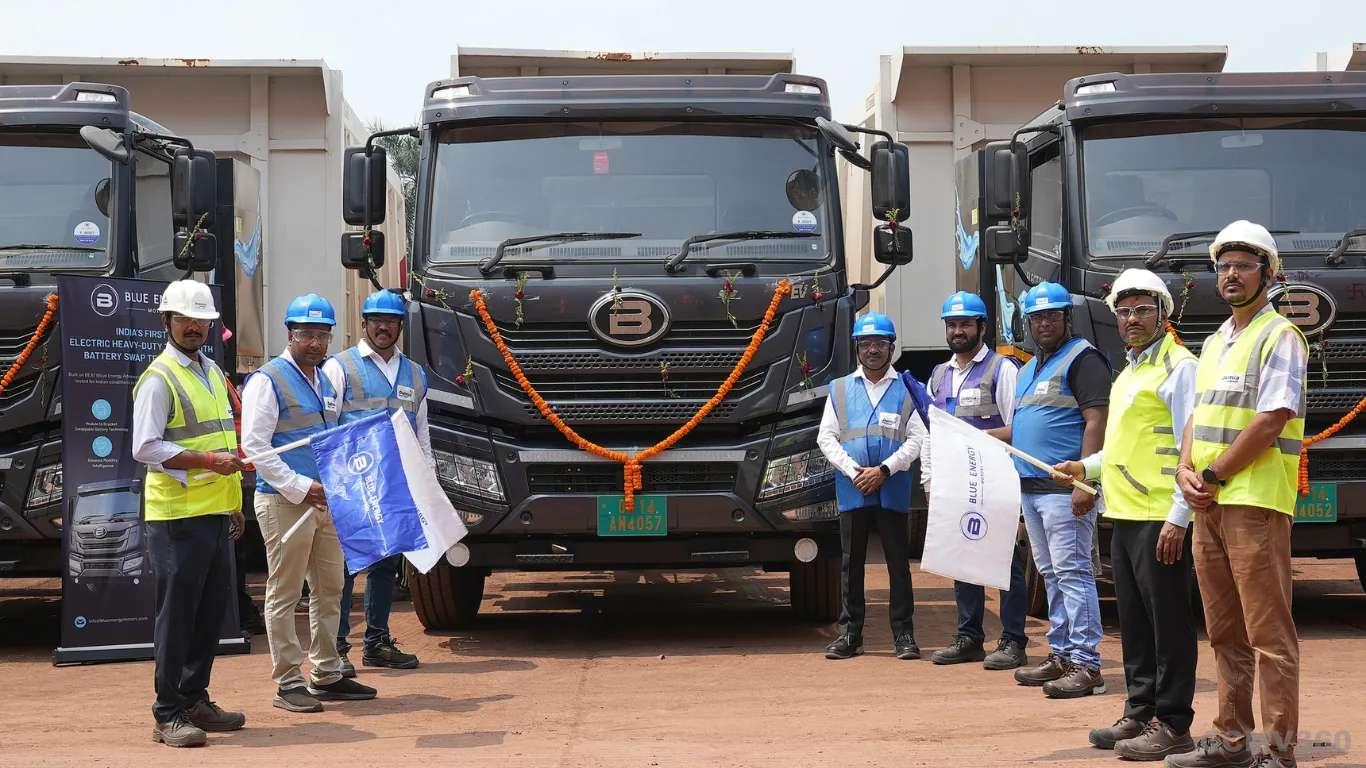
Boost to Local Industry: Lower import costs will accelerate battery production in India, helping local industries grow and creating new job opportunities.
Stronger Global Presence: With reduced costs, India's EV sector can become more competitive worldwide, positioning the country as a leader in electric vehicle and battery production.
India’s policy to remove import duties on key components for EV batteries and mobile phones aims to boost domestic manufacturing but faces several challenges. These include gaps in infrastructure, such as unreliable power supply and inadequate testing facilities, which could delay its impact. Local manufacturers, especially smaller ones, may lack the technical expertise and production capacity to scale up, particularly in complex areas like EV battery production.
Also Read: Tata Motors Announces Price Hike of Up to 2% for CVs Starting April 2025
CMV360 Says
Removing import duties on EV battery and mobile phone materials is a positive decision for India. It will make electric vehicles more affordable in the country. This may drive higher sales and help reduce pollution in cities. It will also create more job opportunities in the industry and strengthen India’s position in the global EV market.

Hi there! I'm Priya. From trucks to vans and everything in between, I'm here to provide you with up-to-date in .....