Electric three-wheeler adoption will reach 14-16% by FY2025
 Add CMV360 on Google
The electric category is expected to account for 14-16% of new three-wheeler sales (excluding rickshaws) by FY25, up from 8% today. Penetration is expected to increase to 35-40% by FY30 as the product obtains acceptability and finance issues are resolved.

By Priya Singh
The electric category is expected to account for 14-16% of new three-wheeler sales (excluding rickshaws) by FY25, up from 8% today. Penetration is expected to increase to 35-40% by FY30 as the product obtains acceptability and finance issues are resolved.
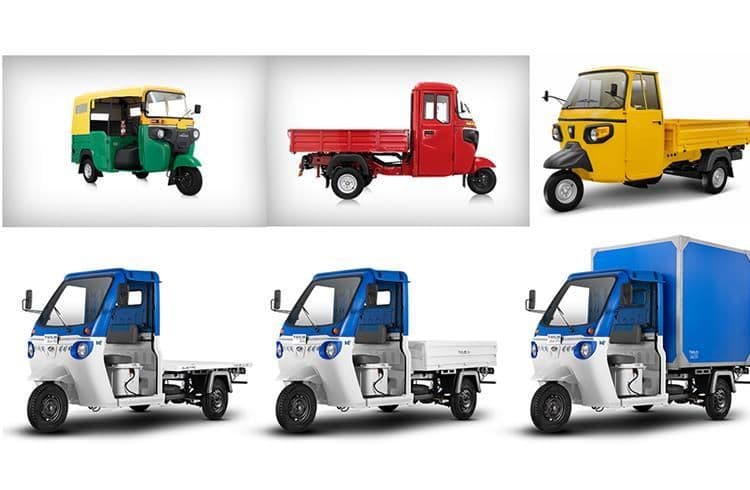
The three-wheeler category, one of the nation's early adopters of EVs, had an EV penetration of 53% in this fiscal year, according to data from Vahan Dashboard.
Sales decreased significantly following the pandemic, but increased at a healthy rate this fiscal year, outpacing pre-pandemic levels by a significant margin.
According to an ICRA assessment, electric three-wheelers, including e-rickshaws, are projected to gain traction in the future due to favourable operating economics and the government's focus on greener modes of transportation, particularly for commercial uses.
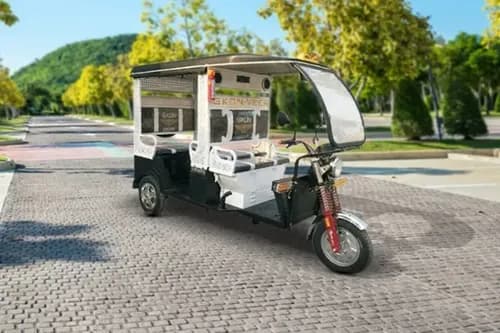
90% of all e3Ws sold in the nation are unorganized e-rickshaws, which have dominated the growth of the e3W market up to this point. Because of lower upfront costs and operating savings, as well as minimal compliance requirements, this industry has thrived during the previous five to seven years.
Penetration is expected to increase to 35-40% by FY30 as the product obtains acceptability and finance issues are resolved.
"e3Ws (including e-rickshaws) have been at the vanguard of India's electrification journey, being among the early adopters," says Kinjal Shah, Vice President & Co Group Head, Corporate Ratings, ICRA.
She continued by saying that the adoption of e-autos is still supported by a favourable regulatory environment that includes central and state government subsidies to cut capital costs, as well as a reduction or waiver of registration fees, road taxes, and permit requirements.
According to Shah, this results in a substantially lower total cost of ownership (TCO) than traditional diesel or CNG 3Ws, which makes the switch to e-autos an appealing idea. This is in addition to the inherently lower running expenses.
But, e-autos are also gaining popularity, with sales split evenly between the goods and passenger carrier classes. These vehicles have a higher load-bearing capacity and top speed than e-rickshaws.
The e-auto industry has seen an increase in the use of electric vehicles due to favourable operational economics, a push by e-commerce firms and other logistical players toward the use of green automobiles, and more positive penetration trends in the goods carrier category.
A favorable policy environment, including national and state government subsidies to reduce capital costs, as well as a reduction or waiver of registration fees, road taxes, and authorization requirements, are just a few of the factors that will likely accelerate the adoption of e-autos in the future.
According to a recent review conducted by ICRA, most e3W dealers have experienced double-digit sales increases over the last two years. This is attributable to various causes, including decreased operating costs, registration and road tax exemptions, and increased demand for last-mile connections.
While demand for e3Ws (including e-rickshaws) is growing, sales have been hampered by a lack of financing options, with loans offered at high-interest rates, low loan-to-value ratios, and shorter EMI terms. Additionally, many large banks and NBFCs are still not lending to this area, which limits the buyer's financing options. About three-quarters of the dealers polled thought that increasing loan availability would be the most effective strategy to increase e3W sales.
Furthermore, as cities tighten restrictions on the registration, entry, and use of polluting vehicles, e3Ws are projected to grow in popularity.
Furthermore, lower TCO, as well as the government's push for net zero targets and government incentives, are projected to drive e-auto sales in the medium to long term. With FAME-II scheme incentives scheduled to expire in a year, there is a chance that sales would accelerate more in the ensuing year.

Hi there! I'm Priya. From trucks to vans and everything in between, I'm here to provide you with up-to-date in .....