Delhi Raises ECC for Commercial Vehicles to Combat Air Pollution
 Add CMV360 on Google
The Delhi government has raised the Environmental Compensation Charge for commercial vehicles entering the city, with new rates for trucks and an annual 5% escalation, aiming to reduce air pollution and comply with Supreme Court directives.

By Robin Kumar Attri

Key Highlights
- Delhi increases ECC for commercial vehicles to curb air pollution
- ECC for light-duty and two-axle trucks rises from Rs 1,400 to Rs 2,000
- Three-axle and larger trucks now pay Rs 4,000 ECC, up from Rs 2,600
- ECC will escalate by 5 percent annually starting April each year
- Supreme Court approves new rates and annual escalation clause
Revised ECC Rates for Trucks
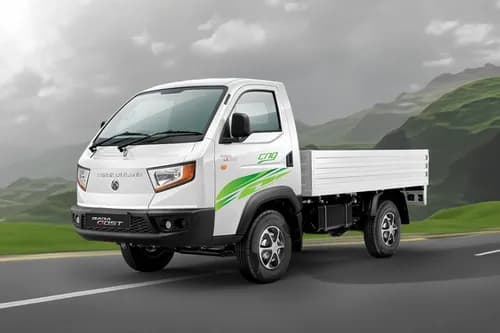
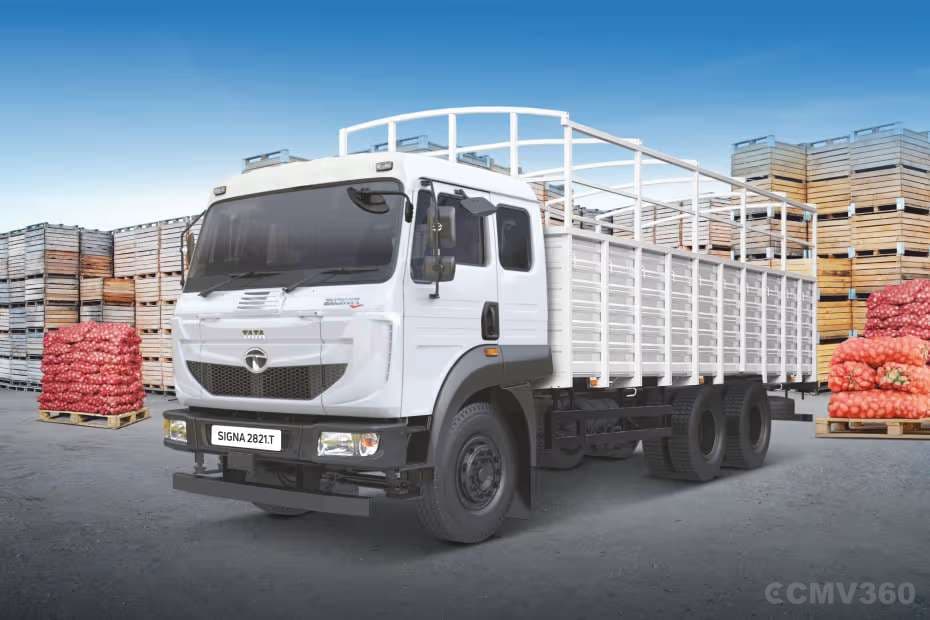
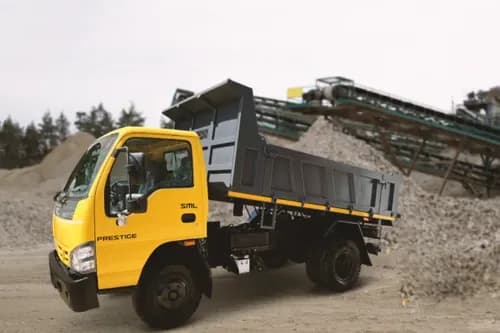
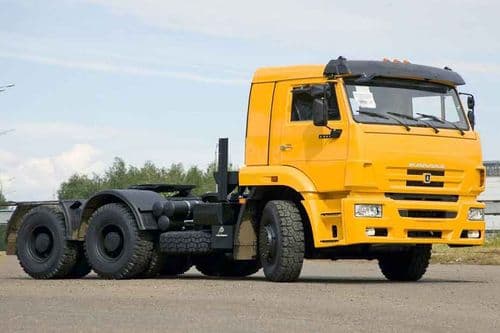
Under the updated structure, the ECC for light-duty trucks and two-axle trucks has risen from Rs 1,400 to Rs 2,000. For trucks with three axles and those with four axles or more, the charge has increased from Rs 2,600 to Rs 4,000. These changes affect Category 2 and Category 3 vehicles, which include light-duty commercial vehicles and two-axle trucks, and Category 4 and Category 5 vehicles, which cover trucks with three or more axles.
The Supreme Court has approved the new ECC rates and an annual escalation clause. The ECC will now increase by 5% every year, starting in April. This annual rise is designed to maintain the deterrent effect of the charge and account for inflation.
Policy Rationale and Broader Impact
The Delhi government based its decision on recommendations from the Commission for Air Quality Management. The aim is to restore the ECC's deterrent value and prevent unnecessary entry of polluting commercial vehicles into Delhi. The Supreme Court found the revised rates reasonable and fair after reviewing the proposal.
Delhi's Environment Minister, Manjinder Singh Sirsa, stated that the revised ECC is a strong environmental deterrent. He emphasized that the measure is not just about revenue but about discouraging unnecessary entry of polluting vehicles. He noted that periodic escalation is needed to encourage transporters to adopt cleaner alternatives.
Commercial vehicles not carrying essential goods are advised to use peripheral expressways to bypass Delhi. This follows Supreme Court directions to minimize avoidable vehicular pollution in the city.
Context and Industry Response
The ECC was first implemented in 2015. Over time, its effectiveness declined, prompting this revision. The updated ECC is part of a broader strategy to promote cleaner mobility and reduce vehicle emissions, a major contributor to Delhi's poor air quality.
Other cities, such as Bhubaneswar, are also tightening entry restrictions for heavy commercial vehicles, especially during peak hours, to address air quality concerns.
In related industry news, Tata Motors reported a 28% year-on-year growth in commercial vehicle sales in April 2026, selling 34,833 units. Ashok Leyland registered a 15% year-on-year growth in medium and heavy commercial vehicle sales, with 7,007 units sold in April 2026.

Robin Kumar Attri is a content and video professional with 2.7 years of experience in the commercial vehicle d .....