Daimler India Commercial Vehicles Shifts Focus to E-Buses and Hydrogen Vehicles
 Add CMV360 on Google
Hydrogen fuel cell vehicles offer a promising solution for long-haul transportation without the carbon footprint associated with traditional internal combustion engines.

By Priya Singh
DICV is also looking into the market for small commercial vehicles weighing up to 5 tonnes. Because of their potential to address last-mile transportation needs, especially in congested cities, these small electric trucks are in high demand.
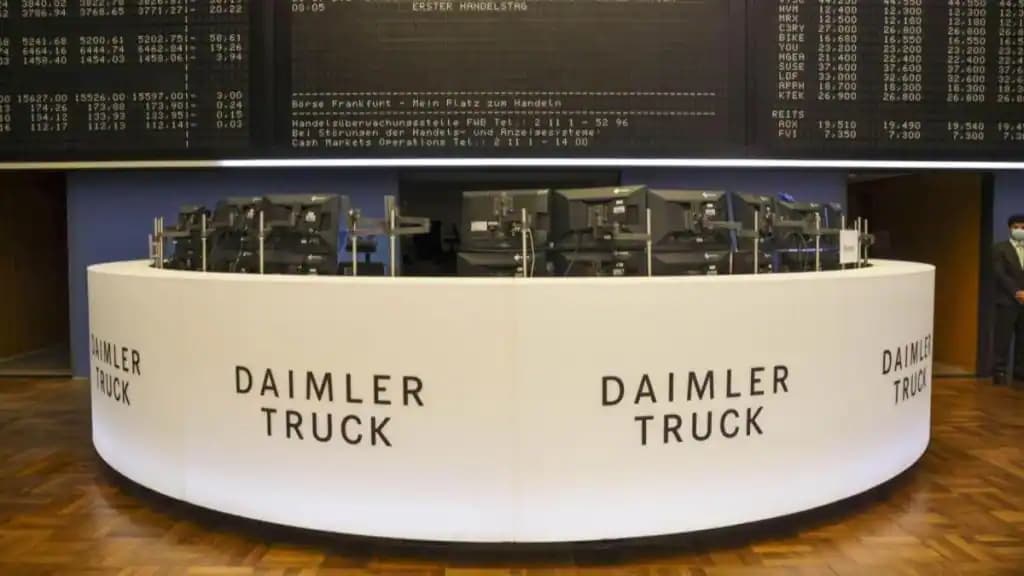
As India prepares to transition to zero-emission vehicles across all categories, Daimler India Commercial Vehicles (DICV) appears to be planning to bring electric buses and hydrogen trucks to the Indian market, with development work now underway.
DICV, which manufactures and sells trucks and buses in India under the BharatBenz brand, is one of the few companies that have yet to enter the electric commercial vehicle segment, despite competitors such as Tata Motors, Ashok Leyland, and VE Commercial Vehicles launching products powered by battery electric vehicle (BEV) technology.
As per the senior officials, the company is studying the EV space and how the Indian market is getting ready for this technology. As previously stated, DICV is also looking into the market for small commercial vehicles weighing up to 5 tonnes. Because of their potential to address last-mile transportation needs, especially in congested cities, these electric small trucks are in high demand.
While EVs can solve the intra-city segment with a range of up to 500kms. As per the sources, the DICV headquarters in Germany is working on hydrogen-powered trucks to address the inter-city transport requirement.
While the competition offers CNG as a fuel choice, DICV's complete portfolio is diesel-only. The corporation previously stated that it was monitoring the increase in CNG demand in India but has yet to finalize plans for it.
The company is planning to invest in electric and hydrogen fuel technologies. Powertrain development is already underway over the world, including in India. Because the infra is in place, EV will emerge first.
In February 2023, Reliance Industries (RIL) and Ashok Leyland presented India's first hydrogen internal combustion engine (H2-ICE) truck with a carrying capacity of 19-35 tons.
Also Read: Strong Growth: FADA Reports 2.02% Rise in Commercial Vehicle Sales for July 2023
BharatBenz and RIL unveiled India's first intercity luxury prototype bus powered by hydrogen fuel cell technology in July 2023.
Reliance Industries conceived and developed the fuel cell system. The intercity bus can go 400 kilometres on a single hydrogen fill. Over the following 12 months, the bus will go through thorough trials, validation, and safety tests.
The brand believes the commercial vehicle (CV) industry in India will grow in the high single digits over the next 5-7 years. If this happens, the medium and heavy CV market might reach 500,000 units per year by 2030.
Furthermore, the company's investment in hydrogen-powered vehicles demonstrates its dedication to exploring alternative fuel technologies. Hydrogen fuel cell vehicles offer a promising solution for long-haul transportation without the carbon footprint associated with traditional internal combustion engines.
DICV's shift towards e-buses and hydrogen vehicles is a significant stride in the evolution of the Indian commercial vehicle industry. As the country aims to reduce its dependence on fossil fuels and mitigate environmental impacts, this move by DICV reflects its proactive stance in contributing to a sustainable and greener future for transportation.

Hi there! I'm Priya. From trucks to vans and everything in between, I'm here to provide you with up-to-date in .....