CASE India Focuses on Emission-Tech and Export-Ready Growth
 Add CMV360 on Google
CASE India strengthens global manufacturing with CEV5-compliant machines, export growth, modular designs, and expanded dealer network.

By Robin Kumar Attri

Key Highlights
CASE’s Pithampur plant becomes CNH’s most flexible global facility.
New CEV5-compliant machines are export-ready for Europe and North America.
Focus on modular design ensures one quality standard across markets.
Strong dealer network expansion with faster parts delivery support.
Future launches include mini excavators and skid-steer loaders for global markets.
While many OEMs are struggling with the rising costs of compliance and changing trade environments, CASE Construction Equipment is expanding its commitment to India. During a recent visit to Case New Holland Construction Equipment India Pvt Ltd’s manufacturing facility in Pithampur, Madhya Pradesh, Emre Karazli, Vice President of CNH Construction Segmentfor APAC, and Shalabh Chaturvedi, Managing Director, India & SAARC, shared insights about India's growing role in product innovation and global supply chain resilience.
The highlight was the showcase of a new line of CEV5-compliant equipment. These machines are not only meeting India's latest emission regulations but are also ready for global markets, offering higher modularity, quality, and export potential.
Pithampur Plant: The Most Flexible In CNH’s Global Network
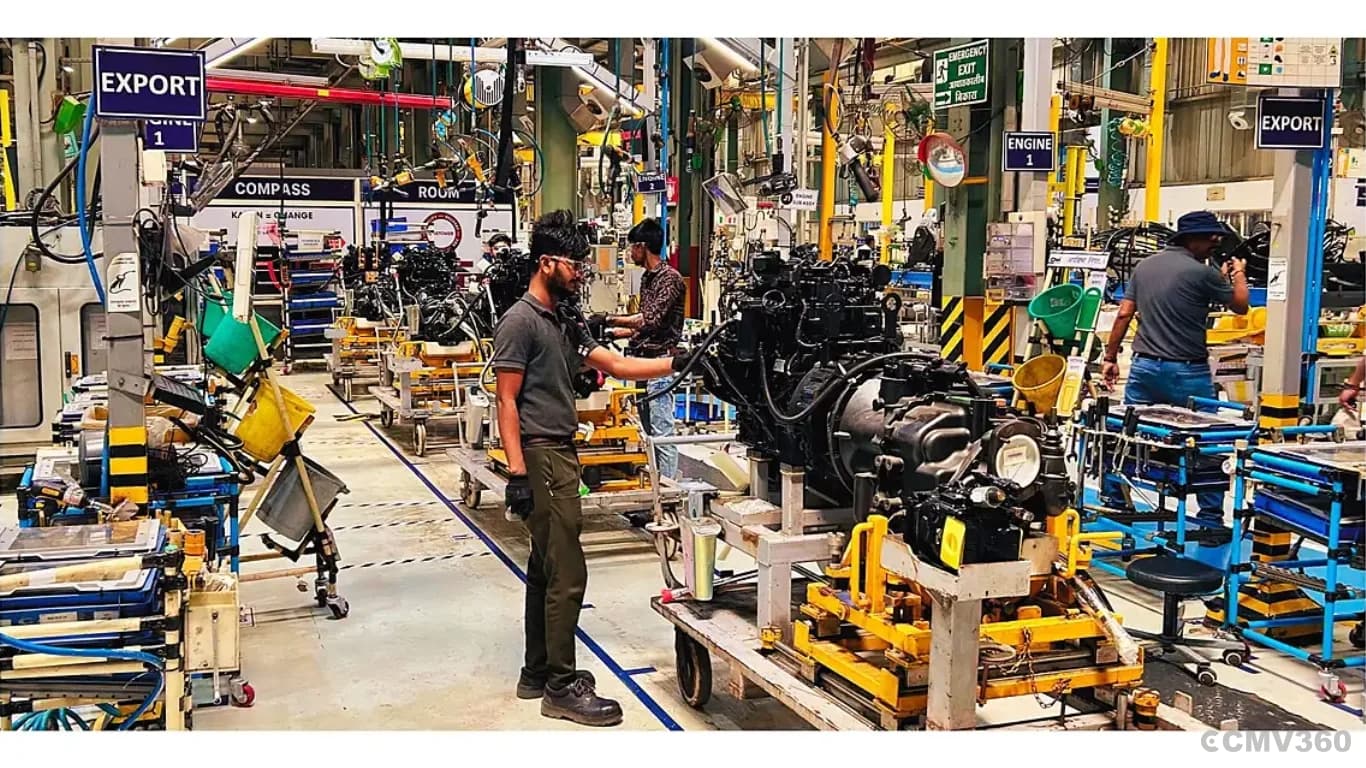
Karazli described CASE’s Pithampur plant as "the most flexible" in CNH’s entire global network. Unlike plants in Europe and North America, Pithampur’s production model supports last-minute order changes, late-stage customisation, and leaner frozen periods. This flexibility, rare in heavy equipment manufacturing, makes India the preferred sourcing base for nearly 80% of CNH’s needs in the APAC region.
The facility’s success is credited to skilled labour, a strong local work ethic, and teams willing to adapt and work even at night to meet high-mix, low-volume demands with precision.
CEV5-Compliant Equipment Ready for Export Markets
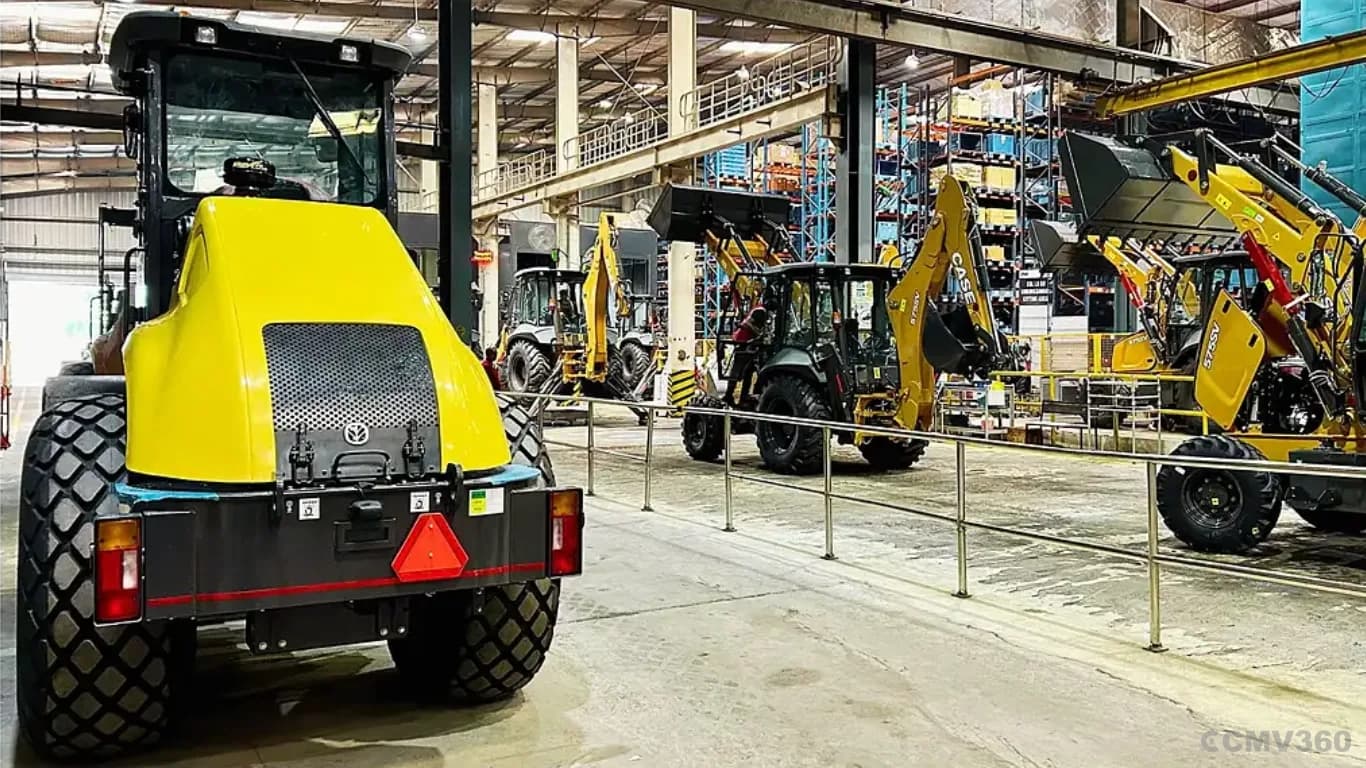
The new range of construction equipment, including compactors and backhoe loaders, fully meets India's CEV5 emission standards. These regulations align India with advanced markets like Europe, Israel, and South Korea.
Chaturvedi pointed out that this alignment opens new export opportunities, especially to Europe and North America. Today, around 10% of CASE’s construction equipment made in India is already being exported.
CASE follows a "one-quality" philosophy, where machines for India and for export markets are built on the same structural platform. Modular adjustments are made for specific market needs like emission norms, safety features, or components, ensuring global quality standards.
Managing Costs Without Compromising Quality
While transitioning to BS-V technology brings higher costs, CASE is committed to maintaining quality. They are focusing on three main strategies:
Deep localisation
Strong after-sales support
Customer-friendly finance models
Even though BS5 machines cost more upfront, they save 2 to 3 litres of diesel per hour and come with IoT-enabled engines for predictive maintenance.
CASE is also investing in training programs like Shilpi, Vijeta, and Hunar to equip local technicians and operators with the skills to manage new-generation machines, creating a strong grassroots support system.
Manufacturing and Export Strength
India is now a global production base for CASE, supplying machines not just for India but also for Southeast Asia, Africa, the Middle East, and North America. CNH’s tractors, harvesters, and construction equipment from Pithampur and Noida plants have been making their way around the world for years.
Karazli emphasized that India’s advantage is not just labour costs, which are lower compared to China, where labour is now 4 to 5 times more expensive, but also India’s talent pool and supportive policies. In CNH’s strategy, India acts as a launchpad for global expansion, while China mainly serves its domestic market.
A balanced 50-50 revenue split between domestic sales and exports from the Indian plant shows the success of this strategy.
Expanding Dealer Network and After-Sales Support
Chaturvedi highlighted the rapid network expansion to meet growing demand. Major projects like the Bharat Mala corridor, North-East road development, and state-led initiatives in Andhra Pradesh are driving equipment needs.
CASE is entering high-potential but underserved markets. Their dealer network now covers 60 cities across India and extends into the APAC region, Australia, New Zealand, and Southeast Asia.
The company’s central warehouse in Indore holds spare parts worth INR 100 crore, ensuring delivery within 24-48 hours even in remote areas. Digital tools and telematics platforms further improve fuel management, machine tracking, and preventive maintenance — all accessible through a customer app.
IoT Adoption Among Indian Customers Still Growing
CASE’s machines come with robust telematics integration. However, adoption among small Indian buyers remains low, with only 30% renewing their IoT SIM subscriptions. Despite this, CASE's backend systems continue to track and alert users about faults, aiming to move customers towards proactive maintenance habits.
Future Plans: Mini Excavators and Skid-Steer Loaders Coming Soon
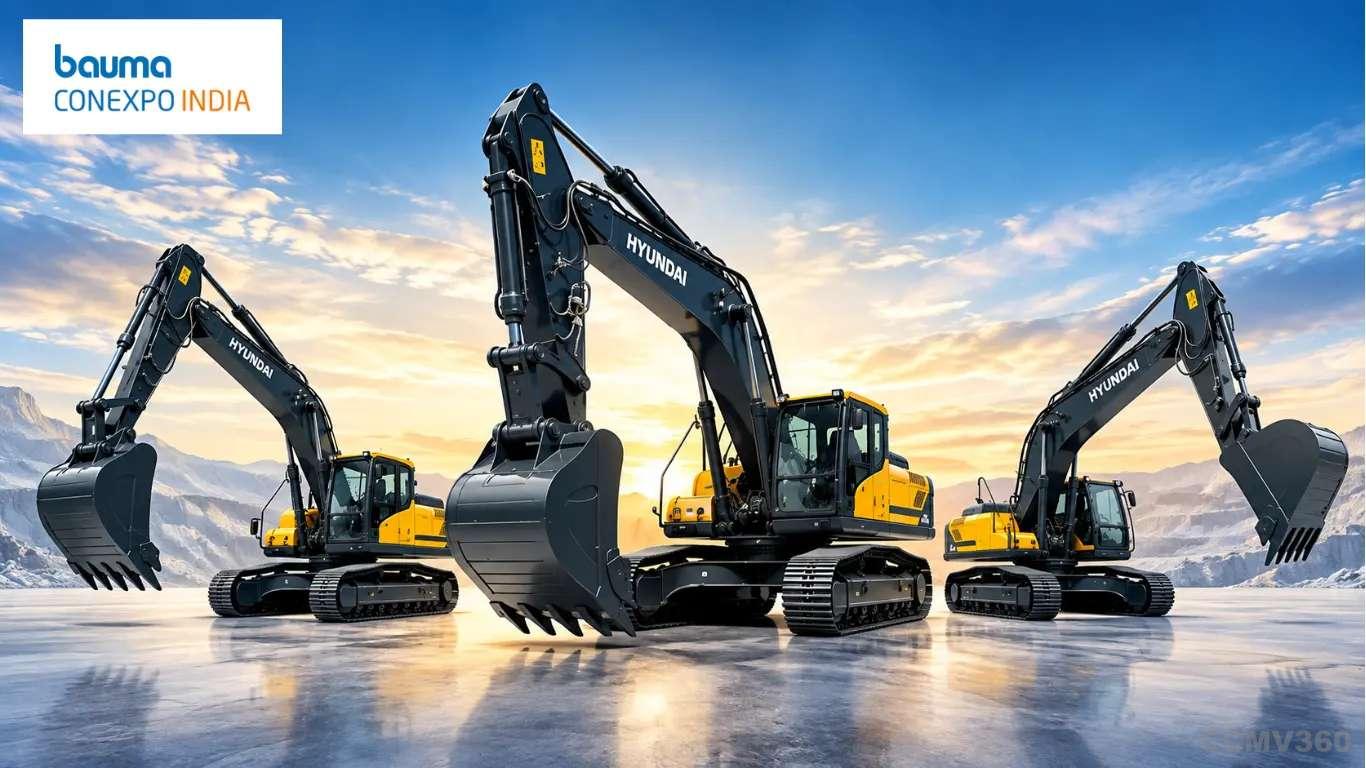
CASE is preparing to launch new products like mini excavatorsand skid-steer loaders. The mini excavator program, recently approved, will cater to the growing demand in APAC and North America. These compact, versatile machines are perfect for urban and light construction work, a segment gaining traction in India as well.
Also Read: TIL Rolls Out 400th Hyster-TIL ReachStacker from Kharagpur Plant
CMV360 Says
CNH’s Pithampur plant is no longer just an Indian facility but a global benchmark. As emission standards tighten and supply chains become more unpredictable, India’s combination of cost-competitiveness, regulatory maturity, and modular production makes it crucial to CNH’s worldwide operations.
With exports matching domestic sales, CASE is building more than just construction machines — it’s building a global ecosystem, grounded in local excellence but ready for the world.

Robin Kumar Attri is a content and video professional with 2.7 years of experience in the commercial vehicle d .....