Budget 2026–27 May Strongly Support Trucks and Commercial Vehicles Through Infrastructure Push
 Add CMV360 on Google
Budget 2026–27 supports commercial vehicles through higher infrastructure spending, freight corridors, mining growth, and electric bus deployment, creating strong long-term demand for trucks and buses in India.

By Robin Kumar Attri

Key Highlights
Public capex raised to ₹12.2 lakh crore for FY27
Infrastructure spending to boost truck demand
Freight corridors and waterways still rely on road transport
Mining corridors to support heavy commercial vehicles
4,000 electric buses announced for eastern states
The Union Budget 2026-27 did not announce any direct incentives for trucks or commercial vehicles. However, it offers strong indirect support to the sector through higher infrastructure spending, logistics reforms, mining-led development, and public transport expansion. Together, these measures are expected to create steady and long-term demand for trucks, buses, and other commercial vehicles across India.
Infrastructure-Led Growth Remains the Core Focus
While presenting the Budget, Finance Minister Nirmala Sitharaman highlighted the government’s clear focus on infrastructure-led growth. Public capital expenditure has increased sharply from ₹2 lakh crore in FY2014-15 to ₹11.2 lakh crore in FY2025-26. For FY2026-27, the government has proposed a further rise to ₹12.2 lakh crore. This consistent increase reflects a long-term commitment to building roads, railways, ports, urban infrastructure, and transport networks.
Higher Public Capex to Drive Truck and CV Demand
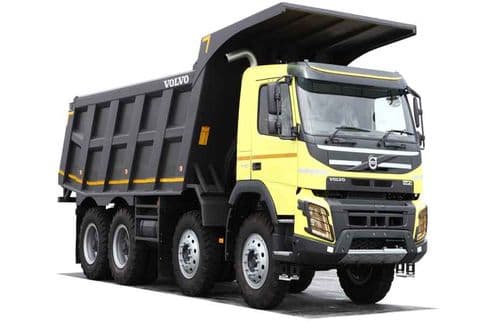
Public capital expenditure is one of the strongest demand drivers for the commercial vehicle industry. Increased spending on highways, metro projects, rail infrastructure, ports, and urban development directly boosts the requirement for construction and logistics vehicles. As a result, demand for tippers, tractor-trailers, multi-axle trucks, and specialised commercial vehicles is expected to remain healthy.
Since most infrastructure projects extend over several years, fleet operators usually plan vehicle purchases in advance. This supports stable and predictable demand, helping manufacturers and suppliers manage production more efficiently.
Freight Corridors and Waterways Strengthen Logistics Role of Trucks
The Budget outlined major developments in freight transport, including new Dedicated Freight Corridors and a strong push for inland waterways. The government plans to connect Dankuni in the East with Surat in the West and make 20 new National Waterways operational over the next five years.
Although railways and waterways will handle bulk cargo movement, trucks will continue to play a crucial role. Road transport will remain essential for first-mile and last-mile delivery, regional distribution, and hub-to-hub movement. This ensures that commercial vehicles remain a key part of India’s logistics system.
Mining and Industrial Corridors to Support Heavy Commercial Vehicles
The Budget’s focus on mineral-rich regions further improves prospects for heavy commercial vehicles. Support has been announced for Rare Earth Corridors in states such as Odisha, Kerala, Andhra Pradesh, and Tamil Nadu. These corridors aim to promote mining, processing, research, and manufacturing activities.
Mining operations typically require high-capacity tippers, rugged multi-axle trucks, and heavy-duty vehicles. Continuous use in tough conditions also leads to regular vehicle replacement, creating long-term demand for heavy commercial vehicles, especially in eastern and southern India.
Public Transport Push Signals Steady Bus Demand
In the passenger transport segment, the Budget indicated continued government support. Under the Purvodaya development programme, the Centre announced the deployment of 4,000 electric buses in eastern states.
This announcement provides strong visibility for bus manufacturers and supports the shift toward cleaner public transport. It also encourages investment in electric bus technology and charging infrastructure while ensuring stable, policy-backed demand.
Indirect Benefits for the Automobile Sector
Although direct auto-specific incentives were limited, the Budget delivered several indirect benefits that support the wider automobile industry. Duty exemptions on batteries and key minerals may help reduce electric vehicle production costs, making EVs more affordable over time. Excise relief on biogas-blended CNG could slightly reduce fuel costs for CNG vehicle operators. Increased funding for MSMEs and logistics is also expected to strengthen auto supply chains and improve access to credit for component manufacturers.
Fuel Cost Relief to Improve Fleet Profitability
To ease operating cost pressures, the Budget announced that the full value of biogas will be excluded while calculating excise duty on biogas-blended CNG. This move supports cleaner fuels and can help lower running costs for fleet operators. Reduced operating expenses may improve profitability and encourage fleet expansion or vehicle upgrades.
Budget 2026-27 Strengthens Long-Term Outlook for CV Industry
Budget 2026-27 sends a clear signal for the commercial vehicle sector. Even as India expands railways, waterways, and clean mobility solutions, trucks and buses remain essential for infrastructure execution and freight distribution. Through higher capital expenditure, logistics development, mining support, and public transport investment, the Budget creates a strong foundation for sustained growth in the commercial vehicle industry in the coming years.
Also Read: Budget 2026-27: 4,000 Electric Buses Planned for East India to Boost Industry and Tourism
CMV360 Says
Budget 2026–27 may not offer direct incentives to the commercial vehicle sector, but its strong focus on infrastructure, logistics, mining, and public transport creates long-term demand opportunities. Higher public capex, freight corridor expansion, mining-led growth, and electric bus deployment together strengthen the outlook for trucks and buses. Overall, the Budget supports steady, sustainable growth for India’s commercial vehicle industry through indirect yet powerful demand drivers.

Robin Kumar Attri is a content and video professional with 2.7 years of experience in the commercial vehicle d .....