


Ad
Ad
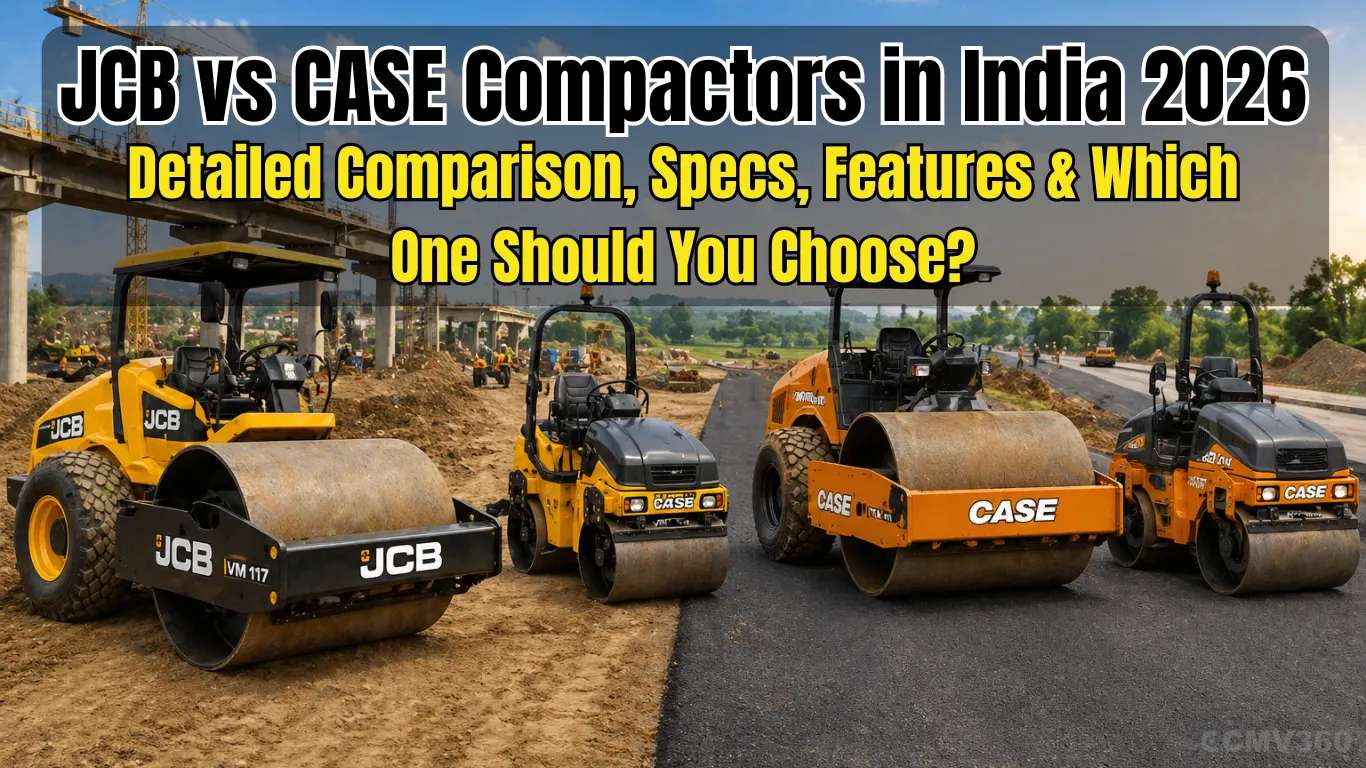
JCB vs CASE Compactors in India 2026: Detailed Comparison, Specs, Features & Which One Should You Choose?


Share
 9,784 Views
Posted By Robin Kumar Attri on 30-Apr-2026 04:32 AM


9784 Views
In today’s fast-growing construction and infrastructure sector, the role of compactors has become more important than ever. Whether it’s building highways, preparing foundations, or finishing road surfaces, compaction quality directly impacts durability and performance. This is where trusted brands like JCB and CASE Construction Equipment come into the spotlight.
Both brands have built a strong reputation in India’s construction equipment market by offering reliable, powerful, and efficient compactors. On one hand, JCB compactors are known for their versatility, ease of use, and wide product range suitable for both small and medium projects. On the other hand, CASE compactors are engineered for high performance, heavy-duty applications, and large-scale infrastructure work.
JCB offers models like VM 117 and VMT 330, while CASE brings strong contenders such as 1107NX and 450 DX. Each of these machines has its own strengths, depending on the project size, soil type, and operational requirements.
So, the big question is, Should you go for JCB’s flexibility and accessibility, or CASE’s power and heavy-duty performance? Let’s break it down in detail.
Also Read: Top 4 Motor Graders in India (2026): Best Machines for Road Construction & Maintenance
Understanding Compactors: Why They Matter in Construction
Compactors are heavy machines used to compress soil, gravel, asphalt, or concrete. Proper compaction improves load-bearing capacity, reduces settlement, and increases the lifespan of roads and structures.
There are mainly two types covered in this comparison:
Single Drum Compactors - Ideal for soil compaction and heavy groundwork
Tandem Rollers - Best for asphalt finishing and surface compaction
Both JCB and CASE offer machines in these categories, but their approach and specialization differ.
JCB Compactors: Versatility Meets Practical Performance
JCB has positioned itself as a brand that focuses on flexibility, ease of operation, and wide usability. Its compactors are commonly seen in urban projects, road repairs, and mid-scale construction sites.
Popular JCB Models
JCB VM 117 - A heavy-duty single drum compactor designed for soil compaction
JCB VMT 330 - A compact tandem roller suitable for asphalt and smaller sites
Key Strengths of JCB Compactors
Wide range from mini to heavy machines (44 HP to 74 HP)
User-friendly controls for operators
Suitable for narrow roads and urban environments
Good service network across India
Budget-friendly compared to heavy-duty alternatives
JCB machines are designed to deliver balanced performance, making them ideal for contractors handling varied projects.
CASE Compactors: Built for Power and Heavy-Duty Applications
CASE compactors are designed with a focus on high performance, durability, and continuous heavy operation. These machines are often used in large infrastructure projects like highways, dams, and industrial developments.
Popular CASE Models
CASE 1107EX - A powerful vibratory soil compactor
CASE 450 DX - A tandem roller designed for medium to heavy compaction
Key Strengths of CASE Compactors
Higher engine power range (up to 101 HP in lineup)
Strong build quality for long working hours
Advanced vibration systems for better compaction
Suitable for large-scale and demanding projects
Better performance in tough soil conditions
CASE machines are engineered for intensity and endurance, making them ideal for contractors working on large and continuous projects.
Detailed Specs Comparison: JCB vs CASE Compactors
To understand the real difference, let’s compare some key models side-by-side:
Specification | JCB VM 117 | JCB VMT 330 | CASE 1107NX | CASE 450 DX |
Engine Power | 74 HP | 45 HP | 74 HP | 45 HP |
Operating Weight | 11,525 kg | 3,300 kg | 12,250 kg | 3,225 kg |
Drum Width | 2,100 mm | 1,250 mm | ~2,100 mm | 1,250 mm |
Centrifugal Force | 256 kN | 45 kN | 325 kN | N/A |
Fuel Tank | 300 L | ~50 L | ~275 L | 45 L |
Key Observations from the Table
CASE 1107NX offers higher centrifugal force, making it better for deeper compaction
JCB VM 117 provides similar power with slightly lower weight, improving maneuverability
Mini rollers (VMT 330 & 450 DX) are almost similar in size and purpose
Fuel efficiency and tank capacity vary depending on project needs
Broader Comparison: Brand-Level Differences
Feature | JCB Compactors | CASE Compactors |
Engine Power Range | 44 HP - 74 HP | 25 HP - 101 HP |
Operating Weight | 2,740 kg - 11,525 kg | 2,900 kg - 11,550 kg |
Drum Width | 1,200 mm - 2,100 mm | 1,000 mm - 2,150 mm |
Fuel Tank Capacity | 46 L - 300 L | 38 L - 275 L |
What This Means for Buyers
JCB focuses on versatility and accessibility
CASE focuses on performance and heavy-duty output
Performance Analysis: Real-World Usage
JCB in Action
JCB compactors perform well in:
City road construction
Rural road projects
Small to medium contractors
Maintenance and repair work
Their compact design and easy handling make them a go-to option for flexible usage.
CASE in Action
CASE compactors are better suited for:
Highway construction
Large infrastructure projects
Continuous heavy-duty compaction
Industrial and mining-related groundwork
Their high power and durability make them ideal for demanding environments.
Key USPs: What Makes Each Brand Stand Out?
JCB USP Highlights
Wide product range
Easy to operate machines
Better suited for mixed project types
Strong after-sales support
Ideal for cost-conscious buyers
CASE USP Highlights
Higher compaction force
Strong build quality
Designed for long working hours
Better for large-scale projects
Advanced vibration technology
Price Range in India 2026
JCB Compactors: ₹14 lakh to ₹30 lakh (approx.)
CASE Compactors: ₹18 lakh to ₹35 lakh (approx.)
Prices may vary based on model, location, and dealer offers.
Which Compactor Should You Choose?
Choosing between JCB and CASE depends on your specific needs. Here’s a simplified decision guide:
Choose JCB If:
You work on small to medium projects
You need machines for urban or narrow spaces
You want a budget-friendly option
You need variety and flexibility
Choose CASE If:
You handle large infrastructure projects
You need high power and deep compaction
Your work involves continuous heavy usage
You prioritize performance over cost
JCB or CASE Which is Better for you?
Both JCB and CASE are strong players in the compactor segment, but they serve different purposes.
JCB stands out as a practical and versatile choice, ideal for contractors who need flexibility across multiple project types. Its machines are easy to use, widely available, and cost-effective.
CASE, on the other hand, is a performance-driven brand, best suited for large-scale construction where power, durability, and efficiency are critical.
In simple terms:
Go for JCB if your work is varied and budget-focused
Choose CASE if your projects demand power and long working hours
This detailed comparison gives you a clear understanding of both brands. Now the choice depends on your project needs, flexibility or power?
Also Read: JCB vs Mahindra Backhoe Loaders: Which Machine Will Save You Lakhs in 2026?
CMV360 Says
JCB and CASE compactors both deliver strong performance but cater to different needs. JCB stands out with its versatile range, easy operation, and suitability for small to medium projects, especially in urban areas. CASE, however, excels in heavy-duty applications with higher power and better compaction force, making it ideal for highways and large infrastructure work. Choosing the right machine depends on your project scale, budget, and workload. For flexibility, go with JCB; for power and endurance, CASE is the better choice.
FAQs
1. What is the engine power range of JCB compactors?
JCB compactors offer engine power between 44 HP and 74 HP.
2. What is the engine power range of CASE compactors?
CASE compactors range from 25 HP to 101 HP, offering more high-power options.
3. Are JCB compactors good for small projects?
Yes, JCB compactors are ideal for small and medium construction work.
4. Which brand is better for highway construction?
CASE compactors are better suited for highways and large infrastructure projects.
5. Which compactor offers a better variety?
JCB offers a wider variety, including mini and heavy compactors.
Ad
Articles
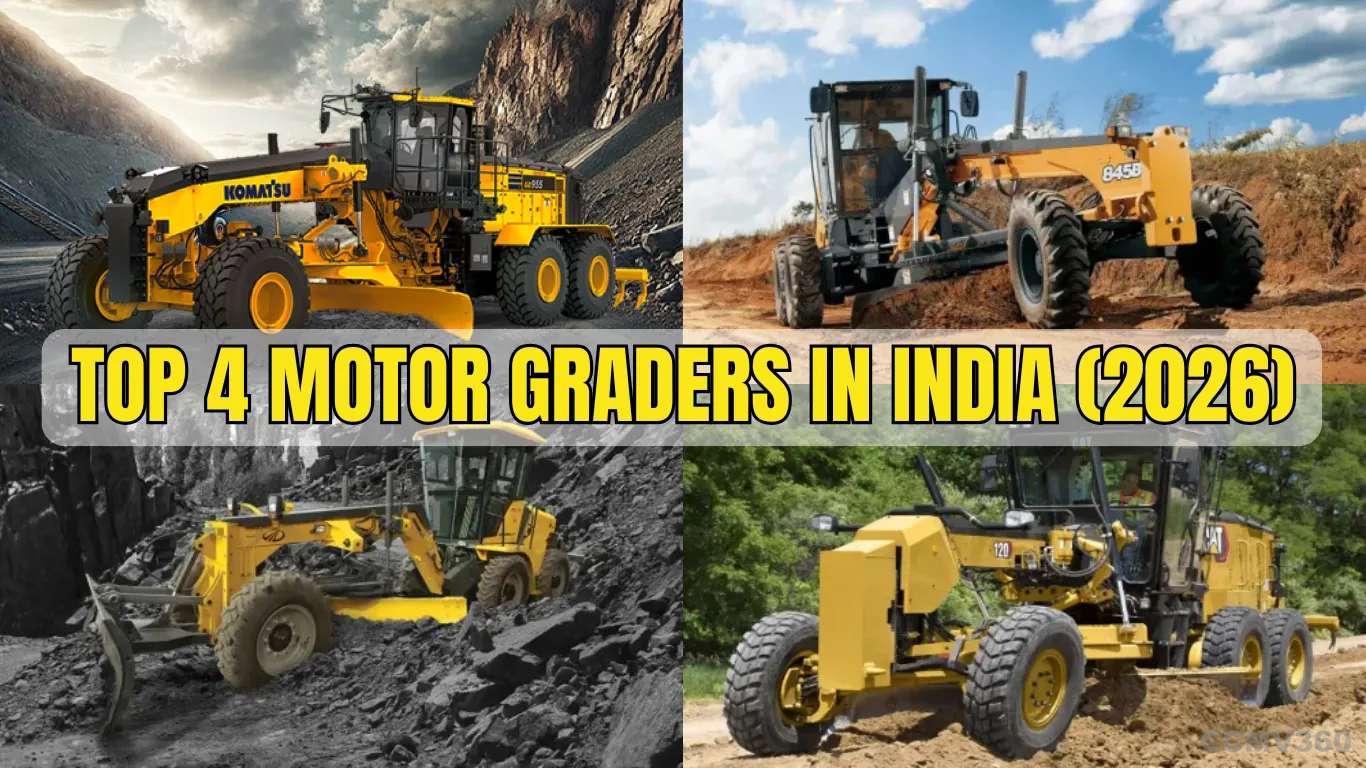
Top 4 Motor Graders in India (2026): Best Machines for Road Construction & Maintenance
Explore top motor graders in India 2026, including Mahindra G9595, CAT, Komatsu, and CASE. Compare specs, features, prices, and choose the best machine for construction a...
16-04-2026 13:04 PM
Read Full News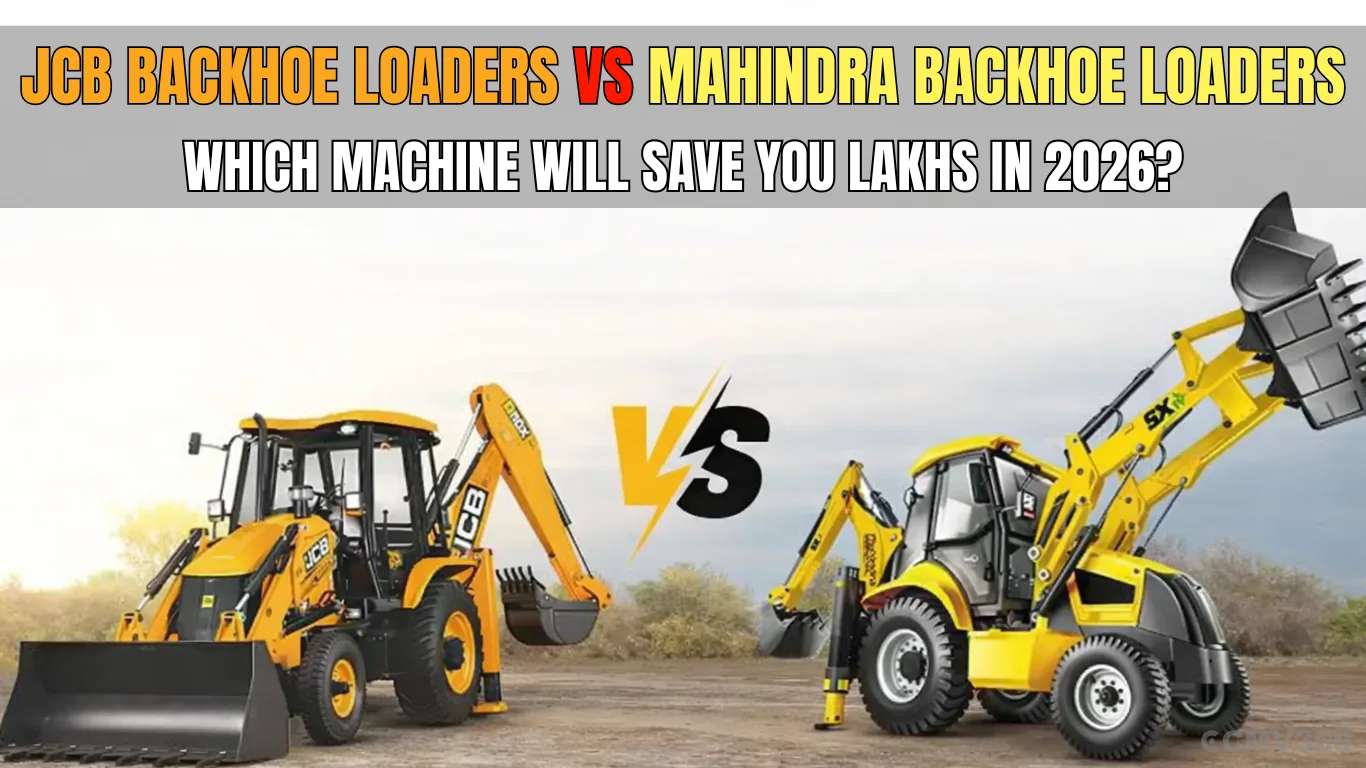
JCB vs Mahindra Backhoe Loaders: Which Machine Will Save You Lakhs in 2026?
Compare JCB and Mahindra backhoe loaders in India. Check price, specs, features, and performance to choose the best machine for construction, digging, and material handli...
09-04-2026 06:04 AM
Read Full News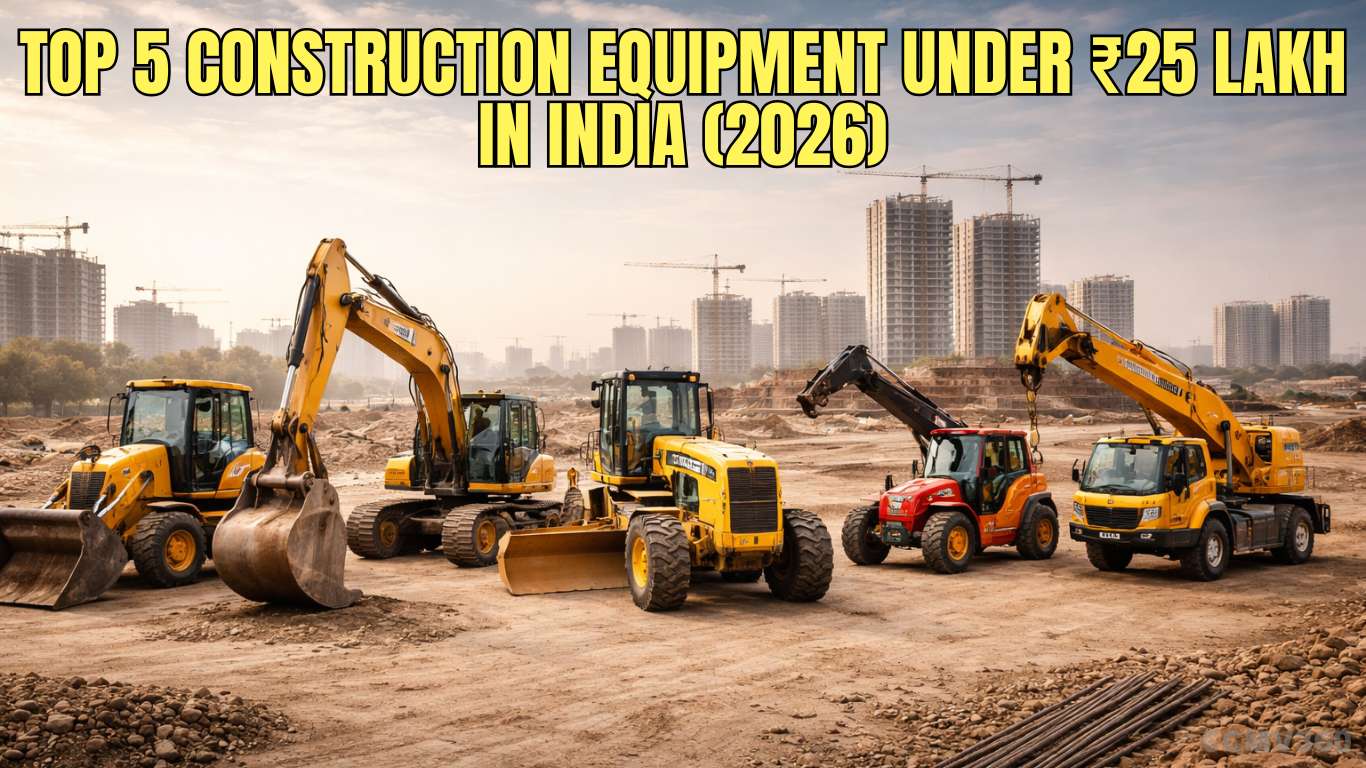
Top 5 Construction Equipment Under ₹25 Lakh in India (2026): Best Budget Machines for Contractors & Builders
Explore top construction equipment under ₹25 lakh in India including backhoe loaders, excavators, graders, telehandlers, and cranes. Compare features, specs, and uses to ...
02-04-2026 12:04 PM
Read Full News
Best Backhoe Loader in India 2026: JCB vs CAT vs Tata Hitachi - Complete Comparison Guide
Compare JCB, CAT, and Tata Hitachi backhoe loaders on price, power, and performance. Find the best machine for your construction needs with this simple, expert guide....
26-03-2026 11:03 AM
Read Full News
Top 5 Popular JCB Construction Equipment in India (2026): Specifications, Features, and Best Uses
Discover the top 5 popular JCB construction machines in India for 2026, including specifications, key features, and best uses for excavation, material handling, and moder...
12-03-2026 09:03 AM
Read Full News
New JCB 3DX Backhoe Loader: Price in India, Features, Specifications, & Full Details (2026 Guide)
Explore JCB 3DX backhoe loader price in India, engine specs, features, performance, EMI calculator, maintenance benefits, and full details for buyers planning a JCB purch...
20-01-2026 11:01 AM
Read Full NewsAd








Join CMV360
Receive pricing updates, buying tips & more!
Follow Us


COMMERCIAL VEHICLE BUYING BECOMES EASY AT CMV360
CMV360 - is a leading commercial vehicle marketplace. We helps consumers to Buy, Finance, Insure and Service their commercial vehicles.
We bring great transparency on pricing, information and comparison of tractors, trucks, buses and three wheelers.