With 9.44 lakh tractors sold, domestic tractor sales set a new record.
 Add CMV360 on Google
In the fiscal year, tractor sales, including exports, reached one million units. Furthermore, tractors have become even more important to farmers with farm labour in short supply.

By Priya Singh
In the fiscal year, tractor sales, including exports, reached one million units. Furthermore, tractors have become even more important to farmers with farm labour in short supply.
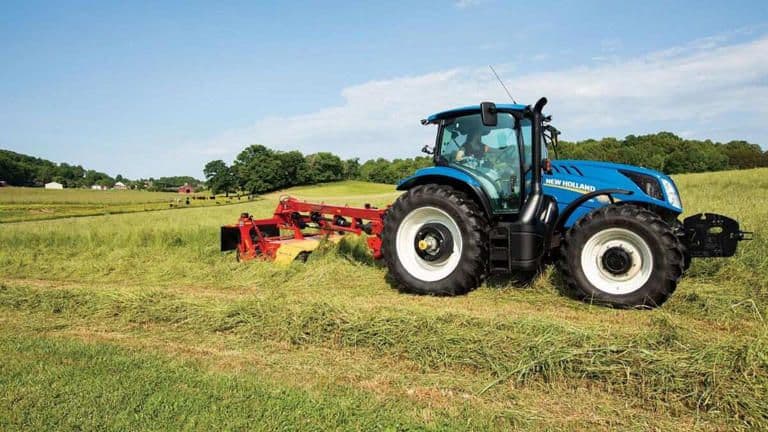
Tractors are used for hauling commodities in rural regions in addition to their primary agricultural usage, producing additional income for farmers who own them. Furthermore, tractors have become even more important to farmers with farm labour in short supply.
Tractor sales in India are expected to hit a historic high of 9,44,000 units in the fiscal year 2022-23, representing a 12% rise over the previous year. It is the world's largest market for such agricultural vehicles, However, industry analysts estimate that sales growth will drop to the low single digits in the coming fiscal year.
In the fiscal year ending 2022-23, tractor sales, including exports, reached one million units. According to industry officials, domestic tractor sales have climbed by 23% year on year, beginning in September of the previous year, even before the start of the festival season.
Several tractor manufacturers, including Mahindra, Tafe, Sonalika, and John Deere, have introduced various models with varied horsepower, resulting in increased demand for their goods.
According to Hemant Sikka, president of Mahindra & Mahindra's agricultural equipment segment, this was owing to an increase in minimum support prices (MSP), which led to an increase in farm income as well as another year of above-average monsoon. The availability of finance and a good farm income has encouraged farmers to buy tractors, which they regard as important possessions.
Experts say that government programs aimed at certain states have helped stimulate farming, resulting in an increase in tractor sales. Despite the optimistic outlook, industry insiders warn of potential threats to future sales.
According to Shailendra Jagtap, John Deere's managing director, the growth rate may decrease to a single digit this year, and demand for tractors is projected to remain high. He also warned that unexpected weather patterns caused by climate change, such as unseasonal rains and hailstorms, could reduce agriculture output. He is positive about the tractor business, though, because a healthy rural economy and the availability of funds are likely to keep the trend going.
Bharatendu Kapoor, President of Sales and Marketing at TAFE, anticipates that the high sales momentum seen in the first quarter of FY24 will continue, but growth may decrease after July.
According to a recent report from Crisil Ratings, regions of northern and central India are experiencing extremely high temperatures followed by unexpected rainfall, raising concerns about this year's rabi harvest. Furthermore, this weather trend may have a negative impact on tractor sales.
According to the rating agency, domestic tractor sales volume growth will be cut in half, to a range of 4-6% in the fiscal year 2024. This fall is the result of a high base built by a compound average growth rate of 10% since the fiscal year 2020, which was obtained as a result of successive regular monsoons.
Weather forecasters have predicted that an El Nino event could develop between July and September of this year. As a result, rainfall levels may be lower than usual. Despite having reservoirs with above-average water levels, there may still be uncertainty.
According to Crisil, the El Nino effect's deficiency in monsoon during the fiscal years 2015 and 2016 had a substantial impact on agricultural revenues, resulting in a 13% and 10% reduction in tractor sales volumes, respectively.

Hi there! I'm Priya. From trucks to vans and everything in between, I'm here to provide you with up-to-date in .....