Jupiter Wagons plans to introduce electric commercial vehicles in the third quarter of fiscal year 23.
 Add CMV360 on Google
The CEVs would initially target the major metros of Mumbai, Delhi-NCR, Pune, and Bangalore, with a focus on last-mile delivery.

By Priya Singh
The CEVs would initially target the major metros of Mumbai, Delhi-NCR, Pune, and Bangalore, with a focus on last-mile delivery.

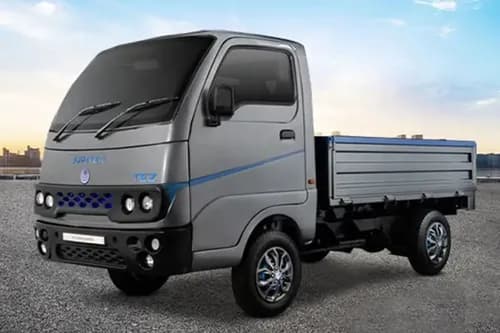
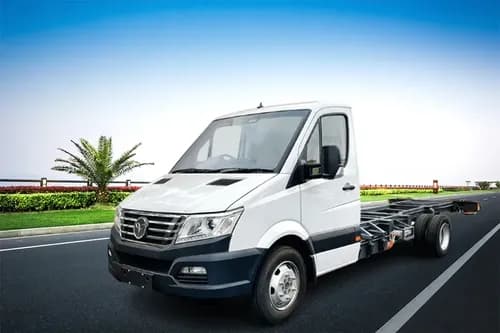
Jupiter Wagons Ltd (JWL), which recently presented two light commercials electric vehicles under its subsidiary Jupiter Electric Mobility (JEM), hopes to introduce the product commercially in the third quarter of the calendar year 2023. JEM has formed a strategic relationship with Greenpower Motor Company, a North American company that specializes in commercial electric vehicles for the passenger and freight transportation markets.
The CEVs would initially target the major metros of Mumbai, Delhi-NCR, Pune, and Bangalore, with a focus on last-mile delivery. The brand claimed that they are ready to start delivering the 2.2 tonnes vehicle by August this year and the 7 tonnes vehicle should be available by the end of this year. At present, there is a capacity of 5,000 vehicles at the plant. The aim of the company is to enhance capacity so that it produces up to 50,000 vehicles in the future.
According to Vivek Lohia, Managing Director of Jupiter Wagons, "the smaller vehicle weighing 2.2 tonnes would be constructed at its Indore factory, the larger vehicle weighing 7 tonnes will be initially assembled in its unit. However, in order to provide a seamless client experience, the company intends to execute end-to-end production in India and develop service facilities in important regions."
According to the company's last investor presentation, electric vehicles accounted for just more than 1% of total vehicle sales and are predicted to account for 39% of all automotive sales by the calendar year 2027, expanding at a CAGR of about 68% over the next five years.
Jupiter Wagons, which provides comprehensive mobility solutions including rail, road, and maritime transportation, currently has an order book worth nearly 6,000 crores. On the back of improved sales, the company increased its net profit by 407 per cent to 46 crores for the quarter ending December 31, 2022, up from 9 crores in the same period last year.
During the quarter under review, revenue climbed by 116% to 644 crores, while the EBITDA margin increased to 12.8%. (8.1 per cent).
The travel category, particularly electric three-wheelers and electric two-wheelers are predicted to see the most growth in EVs due to set duty cycles and e-commerce companies committing to turning 100% electric in their last-mile deliveries.
India has a big potential for the EV business, both in terms of cost savings and sustainability. This will eventually lead to EVs dominating the ICE market. The government's vision of a green future, as well as favourable policy assistance, will only serve to promote this segment further.
As per the study conducted by the Centre for Energy Finance (CEEW-CEF), the EV market in India is expected to reach 50,000 crores by 2025. Initially, manufacturers will be working with fleet aggregators as they have the infrastructure to set up charging stations. So, initially, the main focus is on the B2B segment, but as the market matures and charging stations are established, it may shift focus to the B2C segment,
In the future, the company intends to offer a full range of electric vehicles, including LCVs, MCVs, HCVs, and buses.
According to Lohia, growth momentum in existing companies remains robust, as it has been progressively ramping up monthly wagon production and seeing improved traction in its truck body business line. It is also concentrating on expanding fresh business lines such as high-speed brakes and container production.

Hi there! I'm Priya. From trucks to vans and everything in between, I'm here to provide you with up-to-date in .....