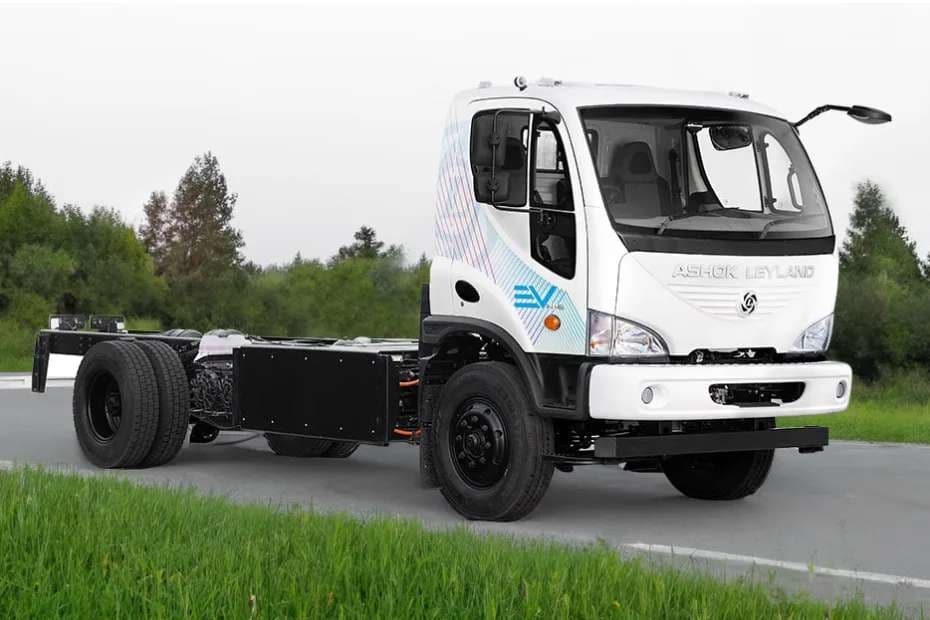
Japan tests wireless charging roads for EVs and aims to implement them by 2025
 Add CMV360 on Google
Wireless charging technology for vehicles on the road, while travelling, might be a perfect answer because it does not require any charging station, which could suffer a land crunch, traffic congestion, and so on.

By Priya Singh
The system can be used for any electric vehicle that has a unique "receiver" that distributes energy from the road straight to the electric motor, expanding range while saving vehicle battery charge.
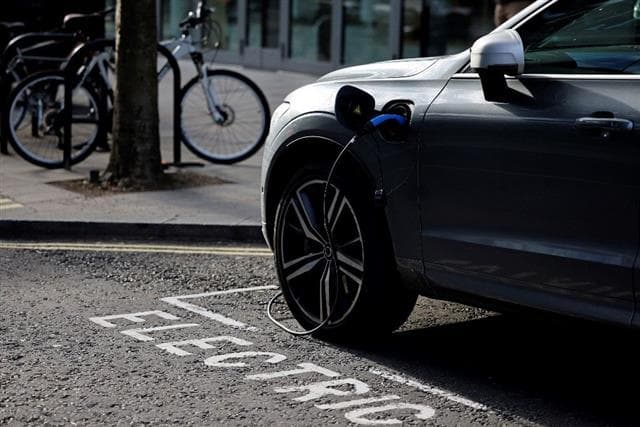
According to Nikkei Asia, auto parts supplier Denso is working with Japanese engineering firm Obayashi to test wireless charging pavements for electric vehicles (EV) in Japan.
According to reports, the two organizations hope to have operational technology by 2025, with the main application being a self-driving electric bus that operates around the clock.
According to Nikkei Asia, charging EVs with electrical coils installed beneath the pavement will result in increased power transmission loss, worse charging efficiency, and more construction/renovation expenses when compared to charging with an electrical cord. However, comparable technologies are being tested by European automakers in Europe.
For example, in June 2022, Sweden launched the SmartRoad project, which will convert highways into charging stations. Electreon, an Israeli company, powered the project.
Stellantis has also attempted wireless induction charging in Italy. The automaker's Dynamic Wireless Power Transfer (DWPT) concept employs technology to wirelessly recharge electric vehicles (EVs) while they move along specially equipped, dedicated roads.
According to Stellantis' press release, DWPT is a system of coils placed beneath the asphalt that distributes electricity directly to automobiles, trucks, and buses, eliminating the need for vehicles to stop at charging stations to recharge their batteries. The system can be used for any car that has a unique "receiver" that distributes energy from the road infrastructure straight to the electric motor, expanding range while saving vehicle battery charge.
The advancement comes at a time when electric vehicles are quickly expanding, and practically all automakers across the world are increasingly focusing on electric vehicles. Despite the enormous growth potential of electric vehicles, the absence of widespread charging stations is a barrier to bringing these vehicles into the mainstream.

Setting up charging stations and electric vehicle chargers is frequently complicated by a lack of available space, particularly in urban areas. However, wireless charging technology for vehicles on the road, while travelling, might be a perfect answer because it does not require any charging station, which could suffer a land crunch, traffic congestion, and so on. Charging on the go also allows vehicle owners to save valuable time by not having to wait in line at a charging station.
According to research, the global market for electric car charging infrastructure would reach $212,414.5 million by 2031, rising at a 33.2 per cent annual rate between 2021 and 2031. According to Research and Markets, this growth projection is being driven by increased production and sales of electric and hybrid vehicles, rapid urbanization, growing concerns about the negative impact of carbon footprint, rising initiatives and subsidies by government and environmental agencies, and the deployment of 5G and artificial intelligence technologies.

Hi there! I'm Priya. From trucks to vans and everything in between, I'm here to provide you with up-to-date in .....