Indian Tyre Industry Sees Revenue Growth Despite Challenges
 Add CMV360 on Google
The tyre industry is facing pressure from rising natural rubber prices and weak export demand.

By Priya Singh
Key Highlights:
- Indian tyre makers are set for 7-8% revenue growth this fiscal, mainly from increased volumes and realisations.
- Rising rubber costs and weak exports remain key challenges for the sector.
- Domestic growth is driven by replacement demand, with OEM demand increasing just 1-2%.
- Export growth is limited to 2-3%, impacted by weak demand in North America and Europe.
- The industry’s financial health is stable, aided by government duties on Chinese tyres and prudent spending.
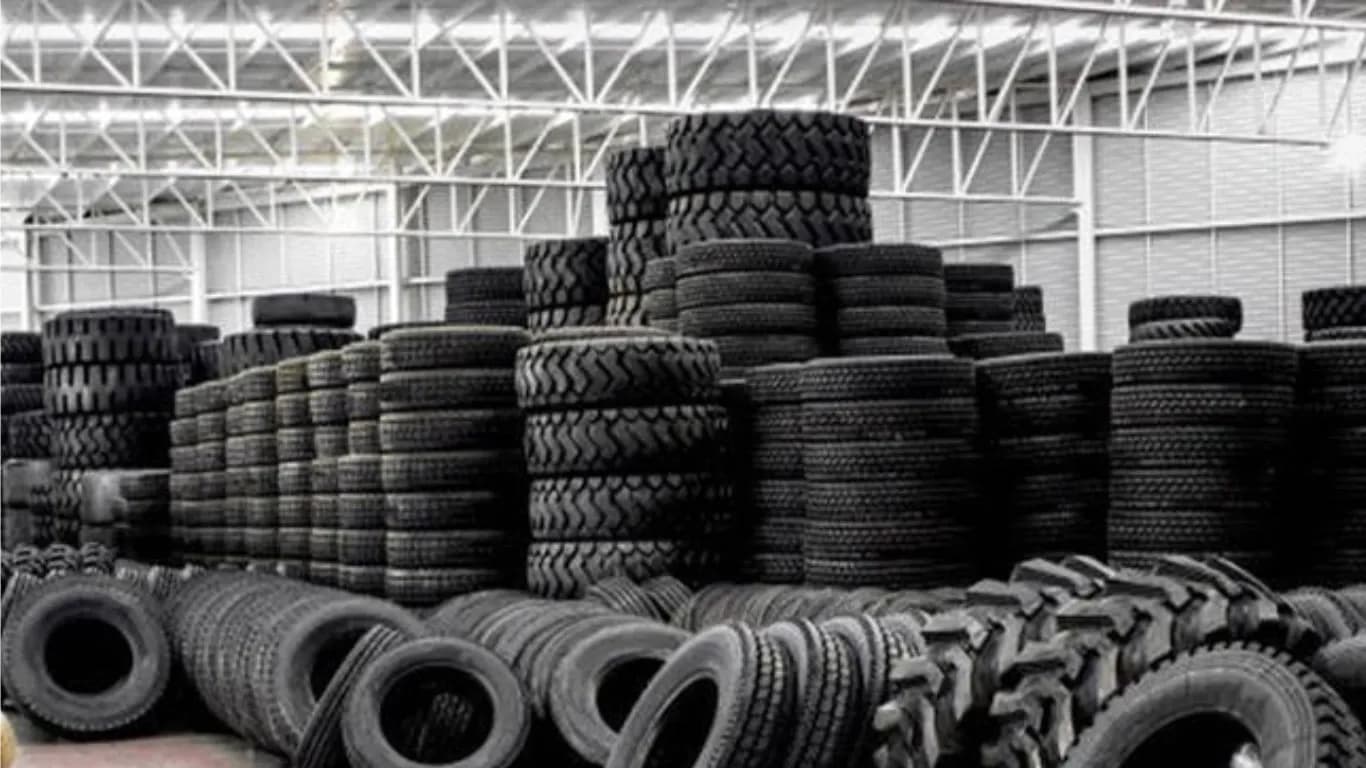
Indian tyre manufacturers are projected to see a 7-8% revenue growth this fiscal year. This growth, led by a 3-4% rise in both production volumes and realisations, is nearly double last year’s rate. However, the increase is modest compared to the 21% growth seen between fiscals 2021 and 2023, according to CRISIL Ratings.
Challenges from Rising Rubber Prices and Weak Exports
Tyre manufacturers are planning to gradually increase prices to control these rising costs. The tyre industry is facing pressure from rising natural rubber prices and weak export demand. Natural rubber, which makes up about half of raw material costs, has become more expensive due to bad weather in major production countries like Thailand and Vietnam.
Demand Driven by Replacement Sales
Replacement demand from commercial and passenger vehicles is expected to be the main driver for volume growth. However, demand from original equipment manufacturers (OEMs) will likely grow only 1-2% due to slower commercial vehicle sales. Replacement demand accounts for about two-thirds of tyre sales in India.
Exports Sluggish Due to Weak Overseas Demand
Tyre exports are expected to grow by just 2-3%, slowed by lower demand in key markets like North America and Europe. These regions account for 60% of India’s tyre exports. Geopolitical tensions have also added to export challenges, raising shipping costs and causing delivery delays.
Profit Margins Expected to Decline
CRISIL predicts a decline in operating profitability for the tyre sector, falling from 16% to 13% due to higher rubber costs and weak exports. Despite challenges, tyre manufacturers are investing ₹5,500 crore this fiscal, focusing on essential capacity upgrades.
Stable Financial Health with Government Support
The industry’s financial stability remains strong due to robust balance sheets and controlled spending. The Indian government has extended duties on Chinese radial tyres for another five years, aiming to support domestic manufacturers.
Future Outlook: Key Factors to Watch
Future growth will depend on factors like raw material costs, changes in OEM demand, and compliance with environmental regulations like Extended Producer Responsibility (EPR), which requires tyre makers to manage waste responsibly.
Also Read: JK Tyre Joins RE100 to Achieve 100% Renewable Energy by 2050
CMV360 Says
The Indian tyre industry is facing a mix of challenges and opportunities this year. While rising costs and weak exports put pressure on profits, the steady demand in the domestic market, especially for replacement tyres, is keeping growth on track. The Indian tyre industry is balancing challenges and growth this year.
Rising costs and weak exports are tough, but steady domestic demand for replacement tyres supports growth. With government backing and smart investments, tyre makers are well-prepared to handle these ups and downs.

Hi there! I'm Priya. From trucks to vans and everything in between, I'm here to provide you with up-to-date in .....