FAME Rationalisation: Government Is Counting on Attractive Financing for Last Mile Mobility
 Add CMV360 on Google
The scheme will help OEMs of electric two- and three-wheelers affected by the FAME II subsidy revision by providing a boost in the last-mile deliveries industry.

By Priya Singh
The program will also offer low-interest loans to members of the electric vehicle ecosystem, such as charging equipment providers and fleet operators.
In a bid to boost the adoption of electric vehicles (EVs) and promote sustainable last-mile mobility solutions, the government has announced a major rationalization of the Faster Adoption and Manufacturing of Electric Vehicles (FAME) scheme. The new initiative is set to focus on providing attractive financing options to consumers, with the aim of making EVs more accessible and affordable.
Under the revamped FAME scheme, the government plans to collaborate with financial institutions and EV manufacturers to offer low-interest loans, easy instalment plans, and other incentives to prospective buyers. The move is expected to address one of the key barriers hindering widespread EV adoption - the high upfront cost of electric vehicles.
With the upfront FAME cash subsidy being reduced, the Government of India's US $1 billion tripartite partnership with the World Bank, the Asian Development Bank (ADB), and SIDBI is relying on low-cost financing for last-mile mobility to help the country transition to zero-emission mobility.
According to reports, the fund would also be expanded beyond two and three-wheelers to include fleet passenger cars, with prices reduced from 18-20% to 8-10%.
The migration fund, which aims to provide loan guarantees and lower borrowing costs for NBFCS lending, is slated to start live by the end of the year.
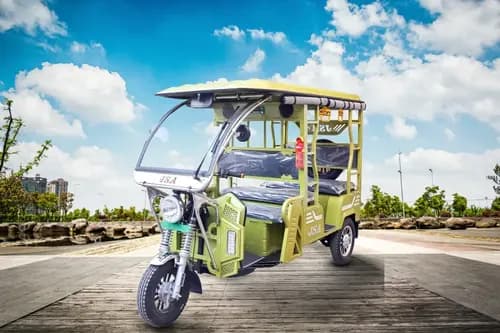
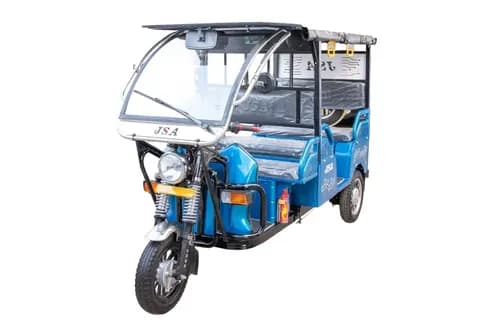
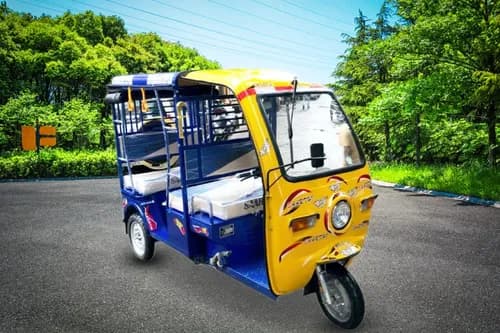
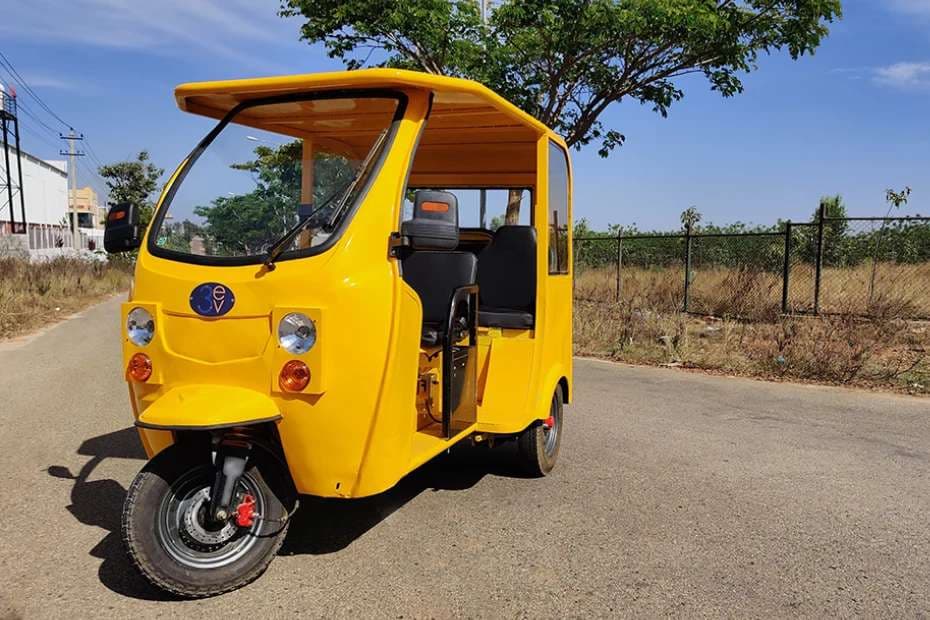
The scheme will help OEMs of electric two- and three-wheelers affected by the FAME II subsidy revision by providing a boost in the last-mile deliveries industry.
The program will also offer low-interest loans to members of the electric vehicle ecosystem, such as charging equipment providers and fleet operators. Fleet operators are regarded as critical to the rapid adoption of EVs in India, with an estimated 20% of total EV sales driven by commercial and last-mile delivery fleet operators.
Also Read: Electric three-wheeler sales increased incredibly in June 2023.
Additionally, the government will focus on setting up charging infrastructure for electric two-wheelers and three-wheelers, which are crucial for last-mile transportation in urban areas.
According to reports, the bank would expand its ongoing pilot program, 'Mission EV4 ECO,' which presently has a capital of Rs 100-150 crore, with the goal of financing 50,000 electrical two- and three-wheeler vehicles, as well as fleet electric passenger cars. EV4 ECO intends to start with 50,000 electric vehicles and eventually encompass the entire EV ecosystem.
According to industry estimates, once SIDBI receives the worldwide funds, the bank would expand its commitment from the present Rs 10 crore ticket size for Mission EV4 ECO funding by at least 2x to 3x per industry participant.
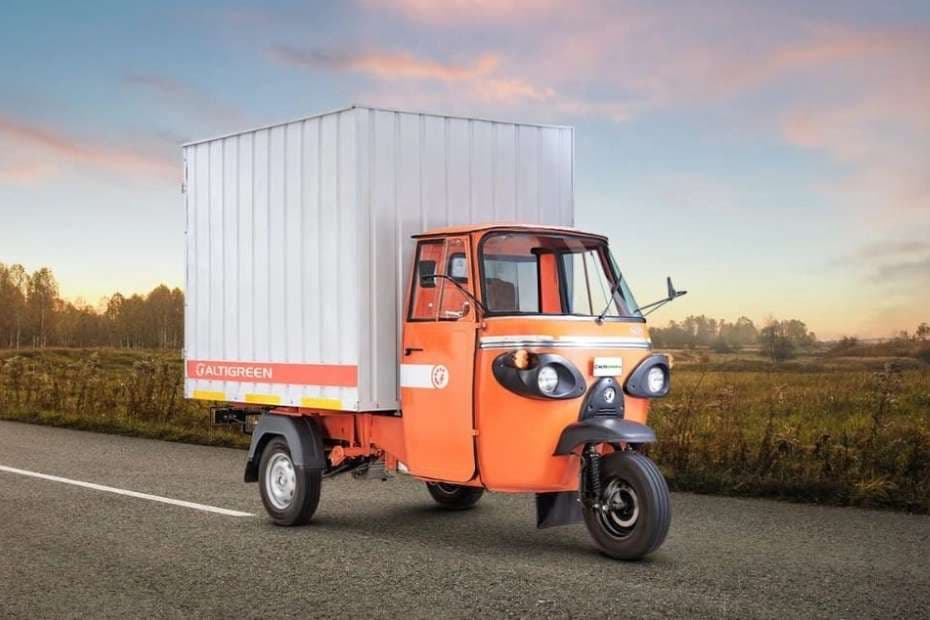
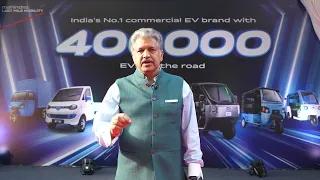
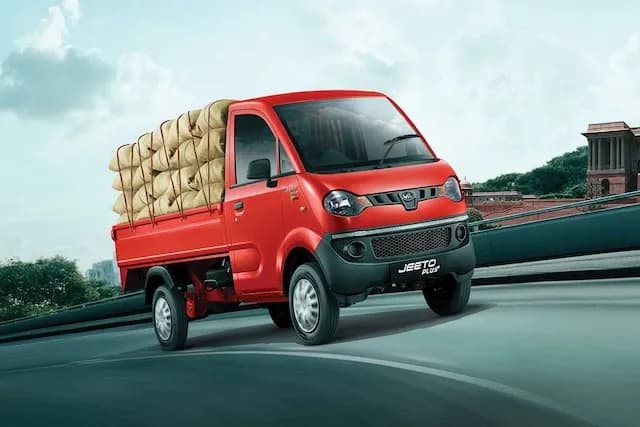
SIDBI has designated Mahindra & Mahindra, Altigreen, and Euler Motors as the certified electric three-wheelers vehicles that may be financed through the EV4ECO Mission 50,000 direct loan initiative, which is available to both individuals and fleet operators.
Experts and industry stakeholders have lauded the government's efforts to promote sustainable mobility solutions, citing the potential environmental benefits and reduced dependence on fossil fuels. They anticipate that the rationalization of the FAME scheme will contribute significantly to India's efforts to combat climate change and improve air quality in its cities.
With the implementation of the revised FAME program, the government is hopeful of achieving its ambitious target of increasing EV adoption and ensuring a cleaner, greener future for the country's transportation sector.
As the world shifts towards a more sustainable future, the government's emphasis on attractive financing for last-mile mobility is poised to play a vital role in accelerating the transition to electric mobility.

Hi there! I'm Priya. From trucks to vans and everything in between, I'm here to provide you with up-to-date in .....