Commercial vehicle sales may grow in the upcoming month
 Add CMV360 on Google
Medium and heavy commercial vehicle registrations totalled 31,100 units in February, a 27 percent increase year on year.

By Priya Singh
Medium and heavy commercial vehicle registrations totalled 31,100 units in February, a 27 per cent increase year on year.
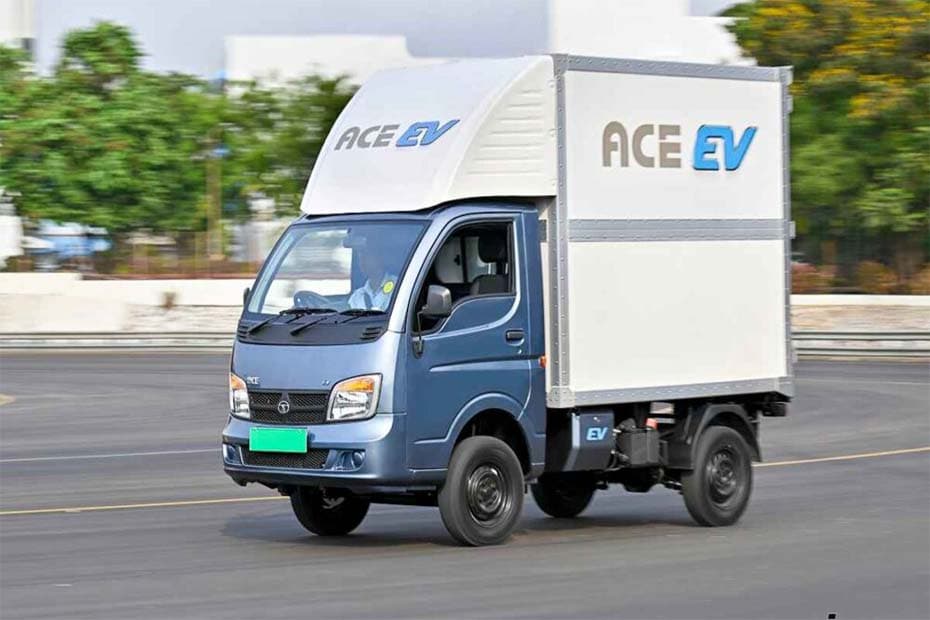
Commercial vehicles (CVs) may witness an increase in sales in February and upcoming march because there will be a hike in prices in April 2023. The customers will try to avoid price increases that may occur in April when the new emission standards go into effect. As a result, sales are expected to increase.
The real driving emission (RDE) standards will go into effect in April 2023, raising vehicle prices by 3.4 per cent, as per the analysts on February sales forecasts. The brokerage recognized pre-purchasing in this vehicle category.
The RDE norms will be part of Phase II of the BS-6 pollution regulations and will require diesel-powered vehicles to incorporate a more expensive emission control mechanism known as the Selective Catalytic Reactor (SCR) system, as well as a device to track such vehicles' real-time emissions. Both of these devices will increase the price of a vehicle.
Medium and heavy commercial vehicle registrations totalled 31,100 units in February, a 27 per cent increase year on year. As per the analysts, Ashok Leyland is on track to gain market share, with volumes increasing by 34% year on year.
While analysts predict that volumes in this area would increase by about the same amount — by 22 per cent YoY — their report suggests that growth in the segment will be 8 per cent lower than in the pre-pandemic year (2019).
According to LKP Securities' dealer check, commercial vehicles (CVs) are seeing a "revival," however there are also tailwinds.
CVs are the bright spot with significant demand and industry recovery, but it is beset by severe discounting, which is not helping the bottom line while increasing the topline.
The passenger vehicle (PV) category is the car segment that is signalling the healthiest demand.
Tractors are in high demand
Anything that affects rural income is bad for tractors, but for the time being, this auto segment is flourishing.
The tractor industry in India contributes between USD 4 billion and USD 5 billion to the country's automotive component sector. Tractor demand is mostly viewed as a byproduct of the rural economy and farming.
As per the report by LPK securities, this category would climb 11 per cent year on year in February, representing an 18 per cent increase above pre-pandemic levels.

Hi there! I'm Priya. From trucks to vans and everything in between, I'm here to provide you with up-to-date in .....